In a developing situation, South Sudanese nationals may have a chance to retain their legal status in the United States as a federal judge evaluates the legality of President Donald Trump’s initiative to revoke Temporary Protected Status (TPS), which could affect about 300 individuals currently residing and working in the U.S. under the program.
The proposed termination is scheduled for January 6, 2026, which would allow for the deportation of these individuals according to the administration's directive. In response, civil rights organizations filed a lawsuit against the Department of Homeland Security (DHS), arguing the move contravenes administrative procedures and is unconstitutional, as it appears aimed at diminishing the acceptance of non-white and non-European immigrants.
The court ruling by Judge Angel Kelley blocks the federal government from proceeding with deportations as the matter is deliberated further. Kelley emphasized the profound and lasting impacts such a change could exert on the lives of the East African population.
As the case unfolds, DHS has issued statements criticizing the judicial decision, declaring it to be an overreach and an infringement on the President's constitutional rights, while also asserting that the implementation of TPS had spiraled into an issue of national security concerns.
Unlike prior policies, which offered protection amidst domestic crises, critics argue the current administration’s approach reflects a strategic pivot targeting racial demographics within immigration policy. This accusation resonates particularly as many fear a slip into institutionalized discrimination within United States immigration frameworks.
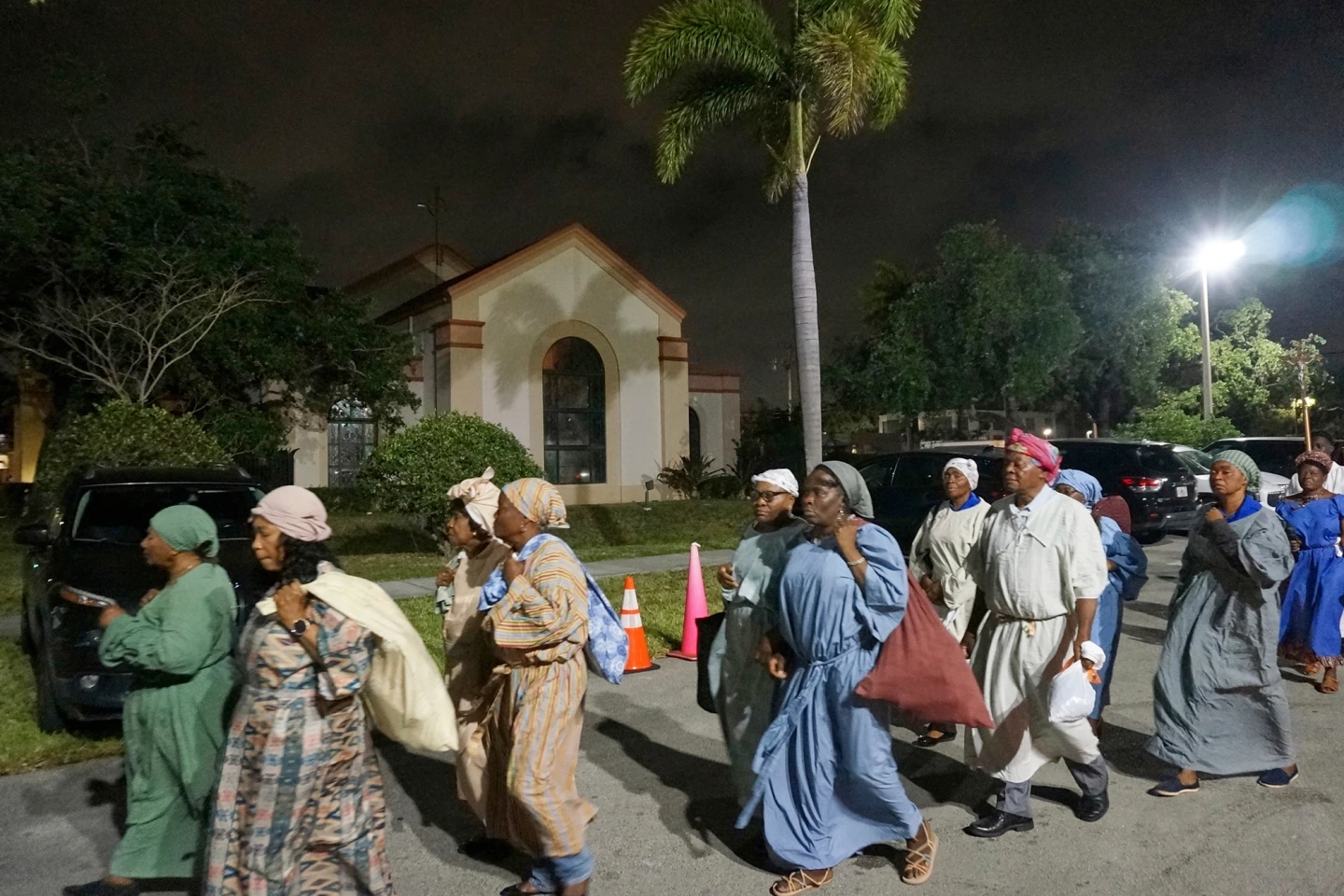
Supporters of TPS and immigrant rights continue to amplify their voices, sharing narratives and data stating that South Sudan remains fraught with instability and dire humanitarian crises, undermining claims of returning safety conveyed by government agencies. Humanitarian organizations report severe famine conditions and a lack of fundamental services in the country.
Community leaders voice skepticism about the assertion that conditions in South Sudan are satisfactory for returnees, especially in light of their lived experiences and the circumstances persisting within the country.
As the legal proceedings continue, the outcomes for South Sudanese TPS holders remain uncertain, drawing attention to greater questions surrounding the future of immigration policy and national human rights commitments in the U.S.