In brief
In 2025, faith leaders champion the cause of anxious immigrant communities, particularly Haitians, Afghans, and Somalis, as they encounter increased hardship due to tougher immigration policies advocated by the Trump administration. With Temporary Protected Status for Haitians set to expire and ongoing rhetoric labeling immigrants negatively, faith-based organizations are stepping up support, emphasizing the value and dignity of all individuals. Collaborative efforts among religious leaders present a united front against discrimination and uphold the rights of immigrants.
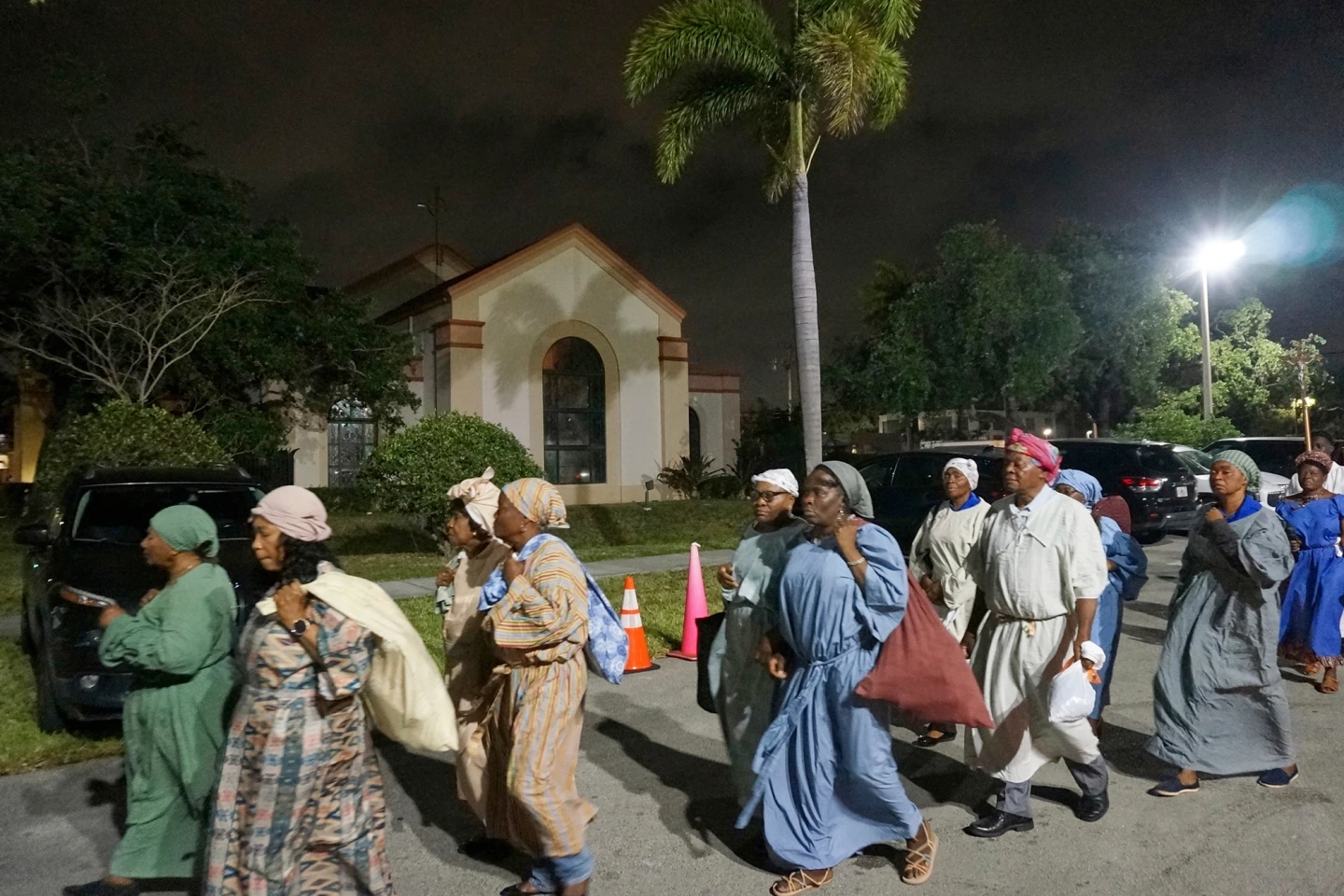
As the political landscape shifts in 2025, faith leaders supporting anxious immigrant communities in the United States confront significant challenges. Many in religious circles are worried that conditions could worsen, especially as President Donald Trump's rhetoric becomes increasingly hostile towards immigrants, blaming them for societal issues ranging from crime to resource scarcity. Notably, Trump's call for 'reverse migration' amplifies fears among vulnerable groups.Haitians fleeing gang violence and Afghans who aided the U.S. during its operations in Afghanistan are particularly apprehensive about their future, especially as Trump’s harsh language continues to dominate the narrative. Somali Americans, particularly concentrated in Minnesota's Twin Cities, are also concerned, particularly after Trump labeled some as 'garbage' in a derogatory comment.In response, faith leaders are advocating against dehumanizing discourse. Bishop Daniel Garcia, chair of the Catholic bishops conference’s subcommittee on racial justice, highlights the dignity of every individual, urging public officials to avoid degrading language.Haitians in Springfield, Ohio, make up a large community that recently settled in the region under the Temporary Protected Status (TPS) program, which is due to expire in February. Rev. Carl Ruby, a local pastor, warns that this could lead to dire humanitarian and economic consequences, stating there is no legislative movement to protect these immigrants.In the Washington D.C. area, refugee assistance programs have been drastically slashed due to the suspension of the U.S. refugee program instituted by Trump at the onset of his second term. Lutheran Social Services of the National Capital Area reported significant budget cuts, leading to major layoffs. Advocacy continues as organizations highlight the mischaracterization of Afghan immigrants as threats.The Somali community in Minnesota is organizing to counteract the negative narratives and boost resilience amidst Trump’s aggressive immigration policies. Local imams are forming initiatives meant to address the fallout from recent events, focusing on community solidarity and advocacy in preparation for upcoming electoral challenges.Catholic bishops and leaders across multiple faiths have issued public statements condemning the increased hostility towards immigrants. They emphasize the importance of support for these communities, stressing the need to continue humanitarian efforts and create a more inclusive environment.Overall, the challenges facing immigrant communities are profound, yet faith leaders remain steadfast in their commitment to providing support and advocating for the dignity of all individuals amidst a challenging political climate.