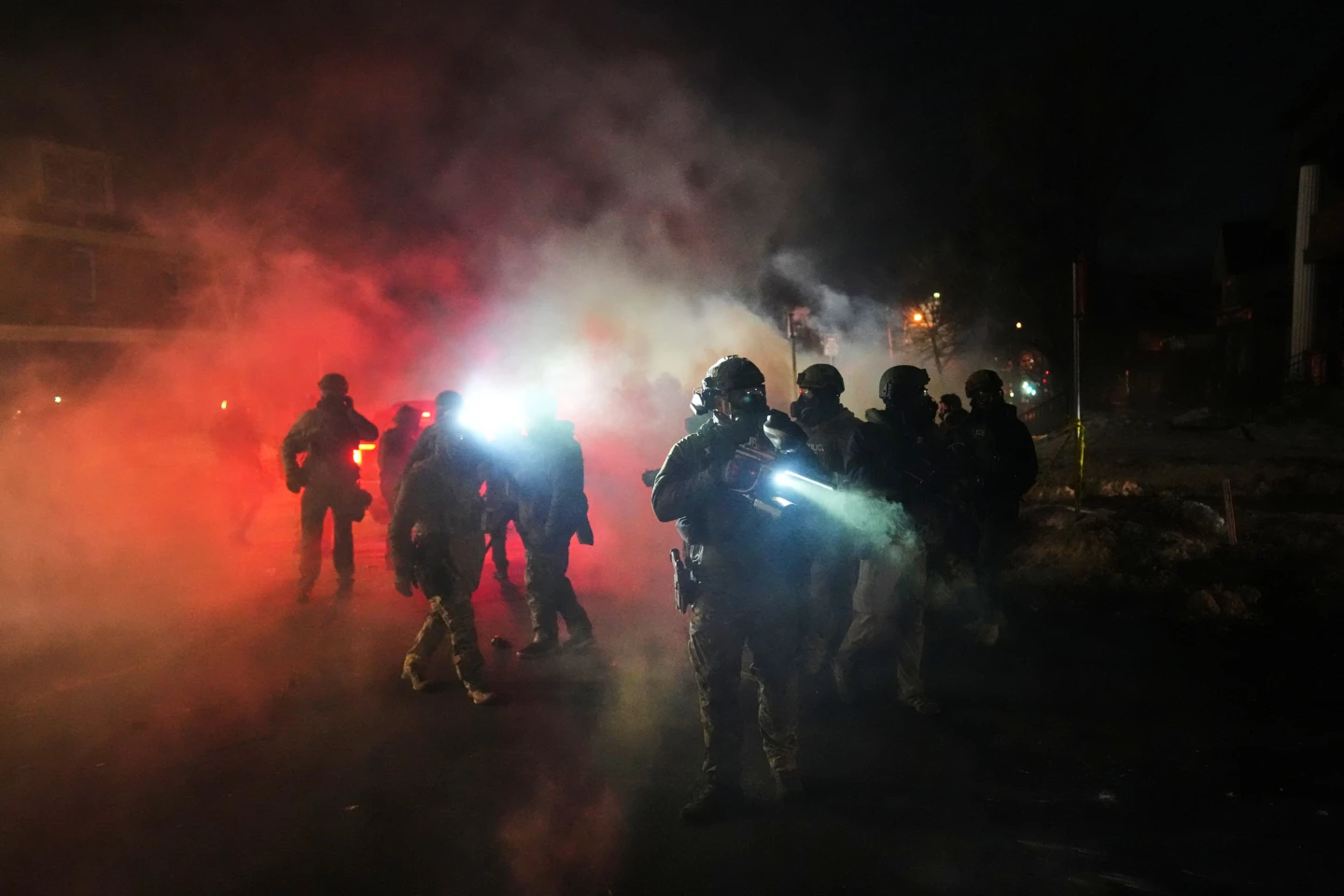
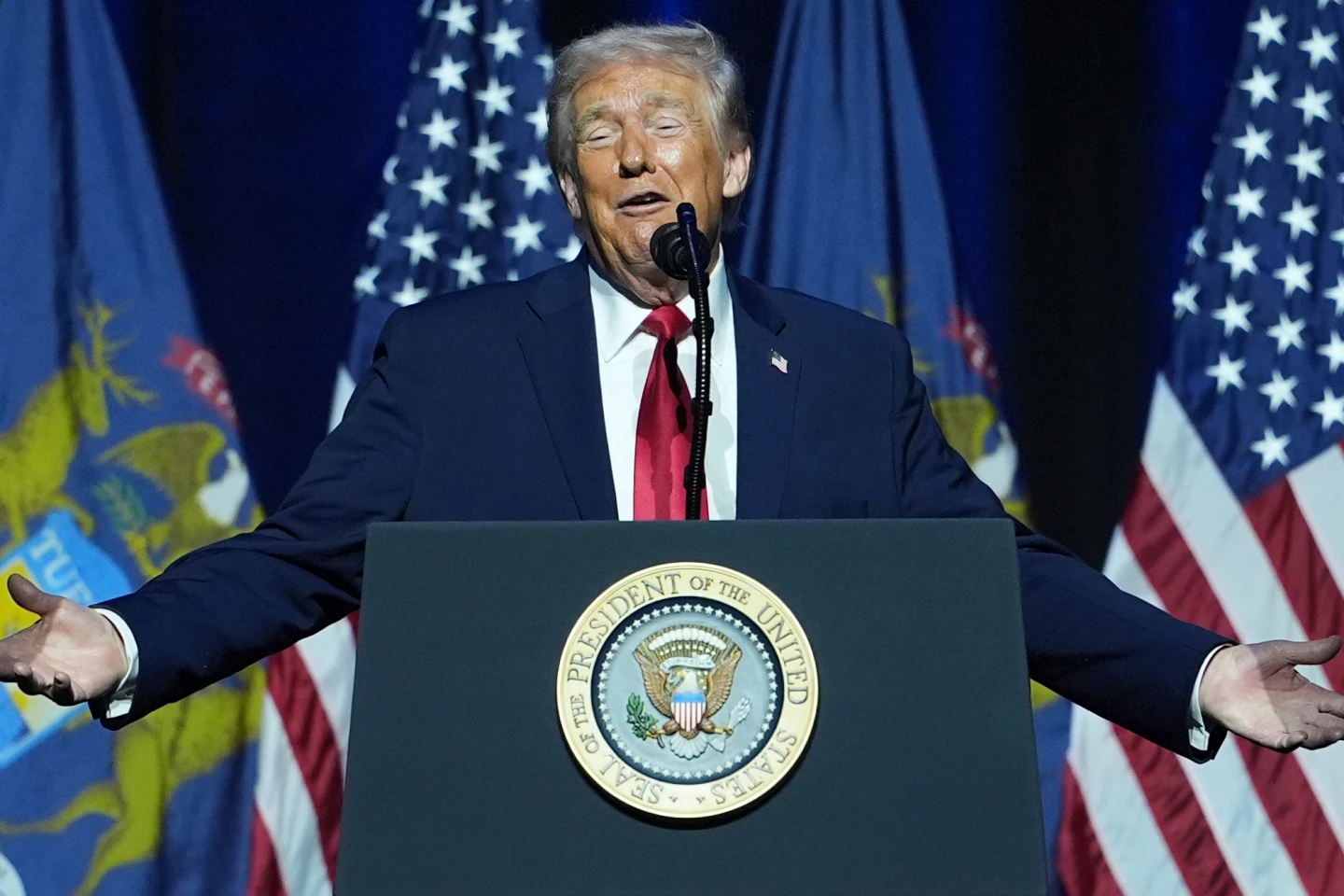
ATLANTA (AP) — Donald Trump would not be the first president to invoke the Insurrection Act, as he has threatened, to send U.S. military forces to Minnesota.
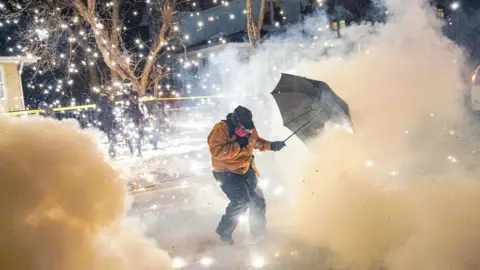
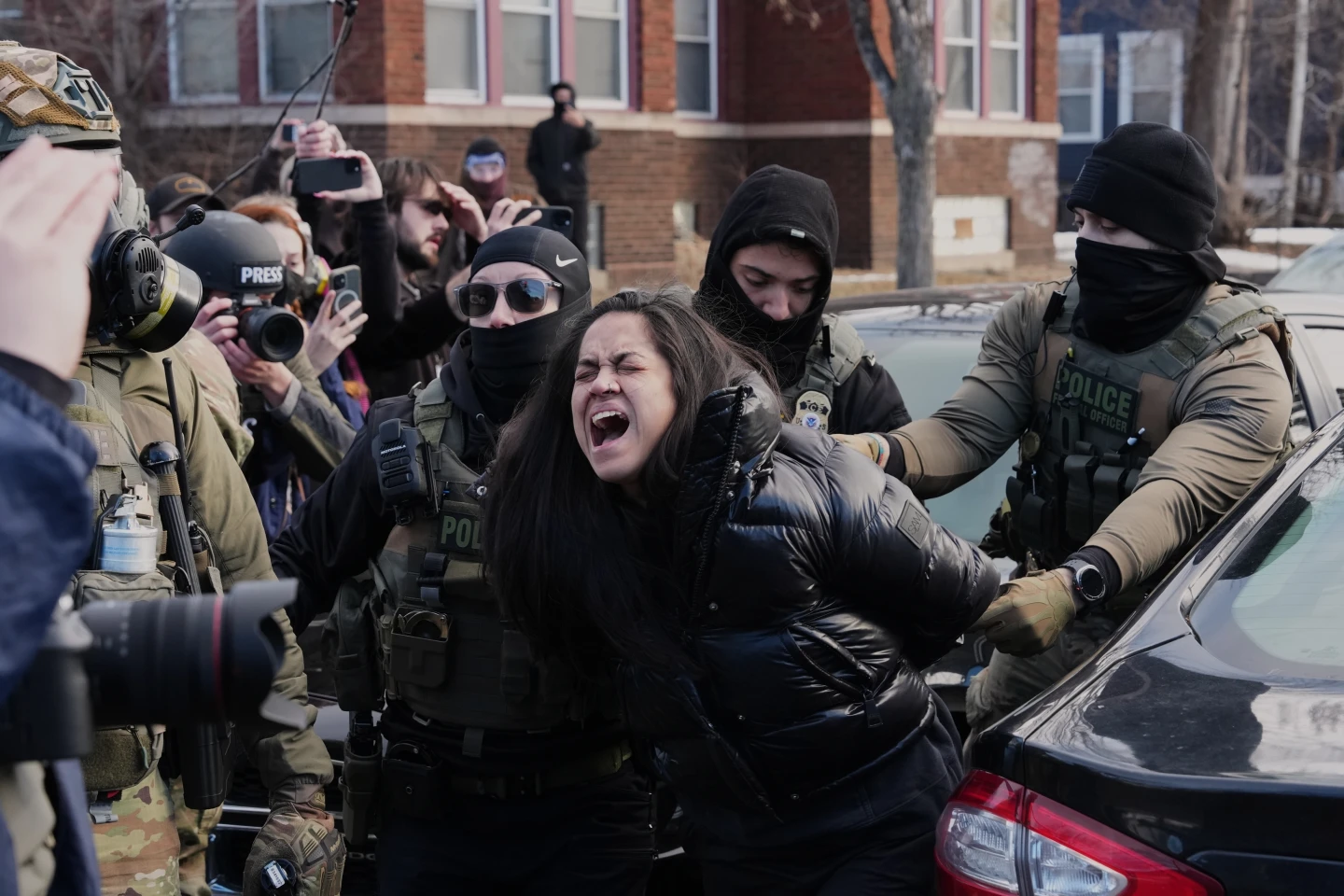
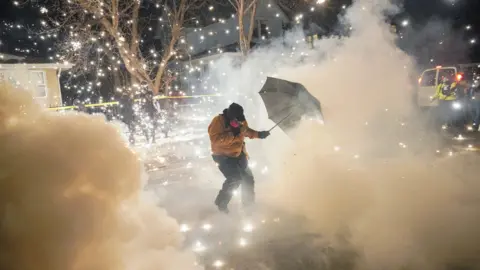
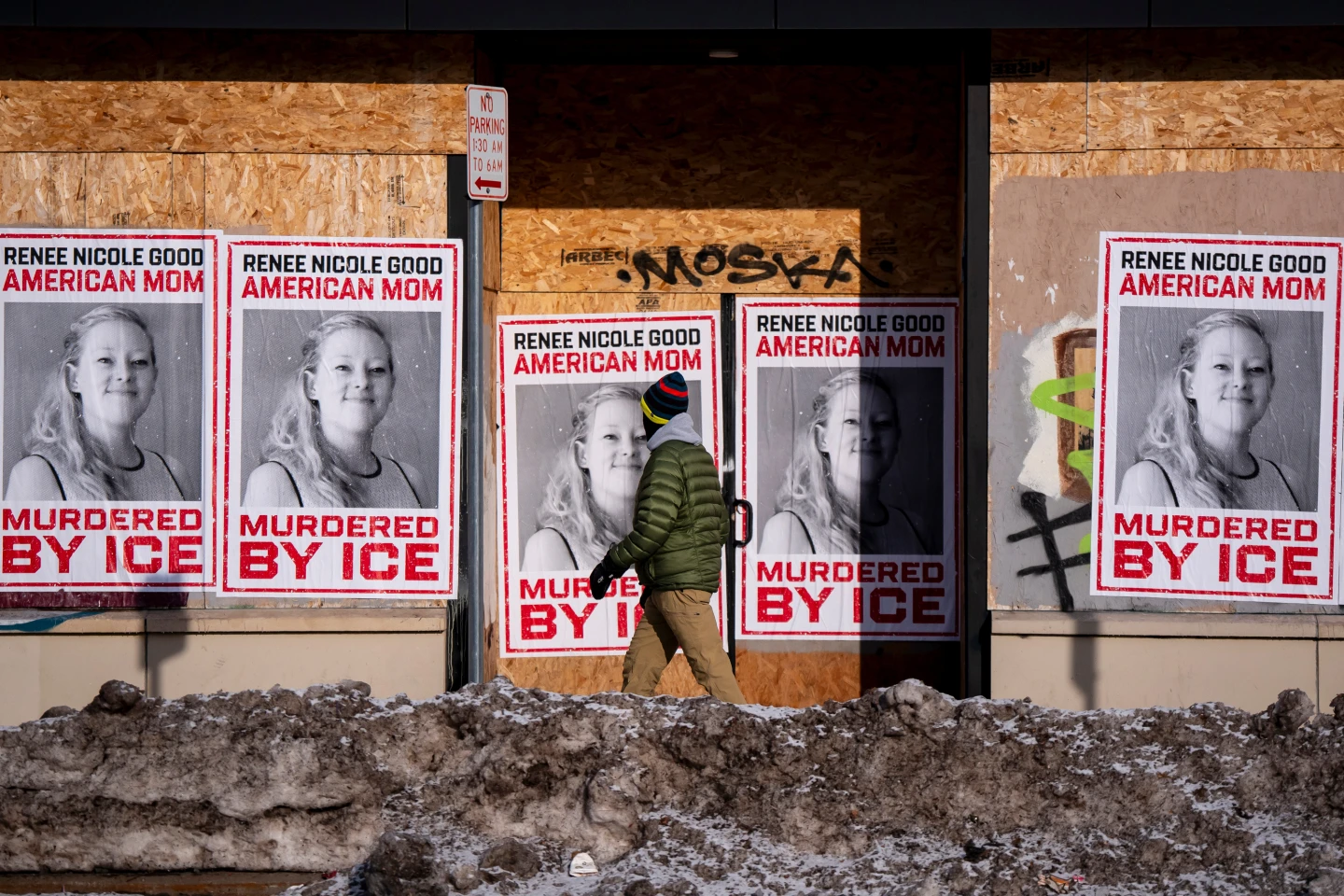
However, he would be the only commander-in-chief to use the 19th-century law to send troops to quell protests that were initiated by federal officers he had already deployed in the area, one of whom shot and killed a U.S. citizen.
The law, which permits presidents to utilize the military domestically, has been invoked over two dozen times, but rarely since the Civil Rights Movement of the 20th Century.
Typically, federal forces are summoned to quell significant violence erupting at the local level, usually upon request from local authorities. Instances where presidents act without local requests were typically to uphold the rights of individuals threatened by state and local governments or in the case of outright insurrections like the Confederacy during the Civil War.
Experts in constitutional and military law assert that none of these criteria clearly apply in Minneapolis.
“This would be a flagrant abuse of the Insurrection Act in a way that we’ve never seen,” said Joseph Nunn, an attorney at the Brennan Center for Justice’s Liberty and National Security Program. “None of the criteria have been met.”
William Banks, a Syracuse University professor emeritus who has extensively studied the domestic use of the military, described the situation as “a historical outlier.” He stated that the violence Trump seeks to end “is being created by the federal civilian officers” he sent to the area.
Nunn also cautioned that Minnesota officials would have “a tough argument to win” in court, given the judiciary's typical deference to presidential military decisions.
The Insurrection Act was originally enacted by George Washington in 1792, intended to mobilize state militias when “laws of the United States shall be opposed, or the execution thereof obstructed.”
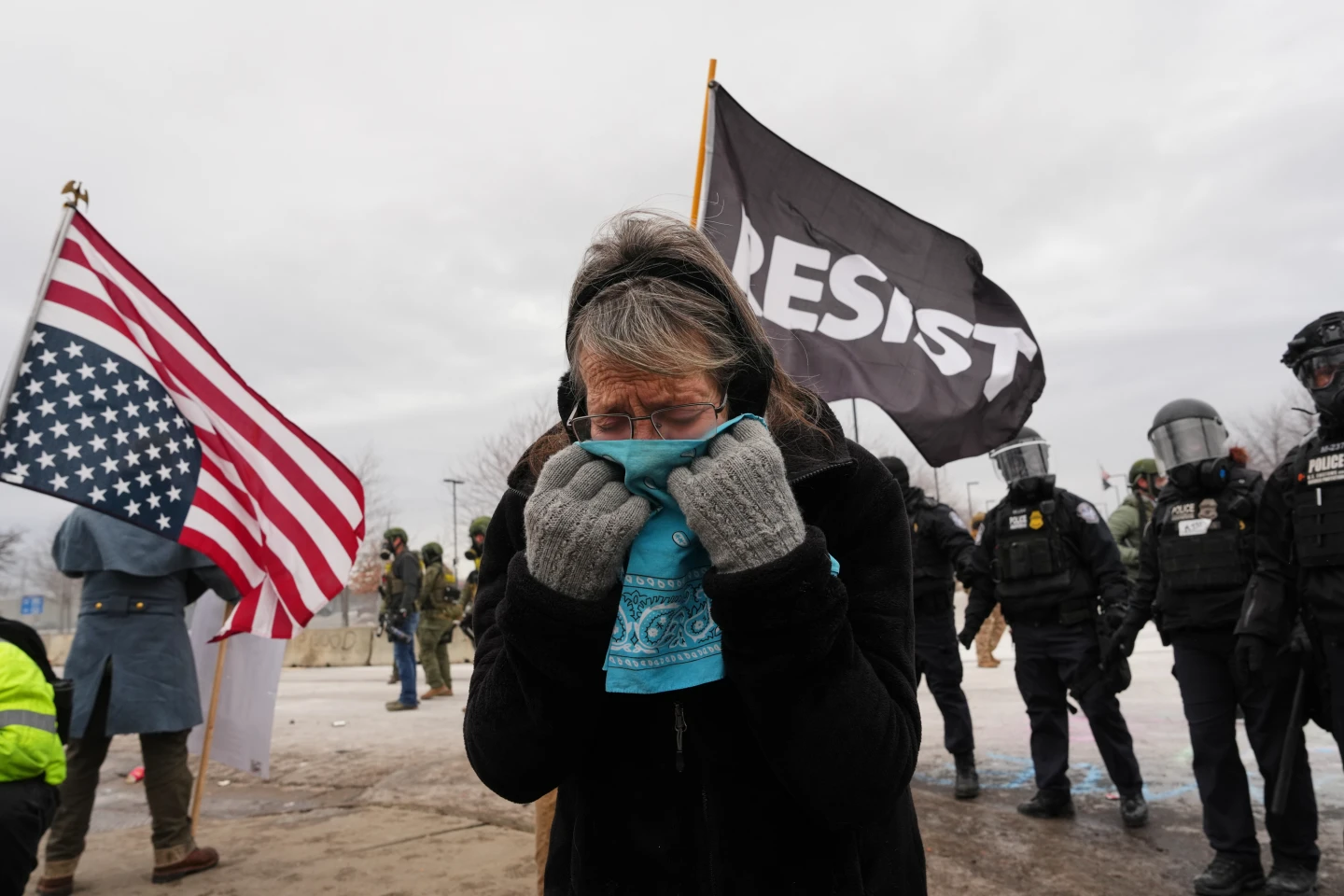
The conditions to invoke this act allow presidents to act in response to unrest deemed “too powerful to be suppressed by the ordinary course” of law enforcement. Trump currently argues that Minnesota officials and citizens are obstructing U.S. law by protesting his agenda and the federal enforcement of immigration laws.
Amid accusations of violence against civilians, Nunn noted that while ICE has the authority to enforce federal immigration laws, their actions have crossed a line into “lawless, violent behavior,” exacerbating the tensions Trump seeks to quell.
Historically, the Insurrection Act has been utilized to protect individual rights during times of civil unrest. Past presidents such as Lincoln, Grant, and FDR invoked the act to deploy military forces in contexts where state authorities were either overwhelmed or were actively participating in oppressive actions against civilians.
Trump's threat to deploy troops in Minnesota raises critical questions regarding the balance of power between federal authority and individual state governance, pointing to the potential for significant constitutional implications amidst accusations of overreach.