Iran's judiciary has denied it had scheduled the execution of a man arrested in connection with the country's recent protests.
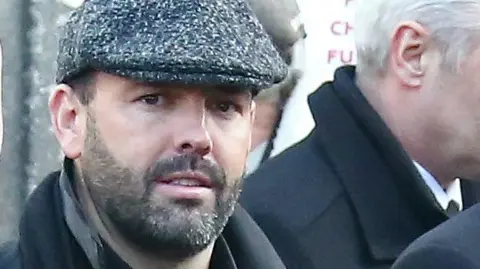
Norway-based Kurdish human rights organization Hengaw reported earlier this week that the family of Erfan Soltani, 26, had been informed he faced execution on Wednesday, only days after his detention.
On Wednesday, Hengaw noted Soltani's execution had been postponed but warned of serious and ongoing concerns for his life.
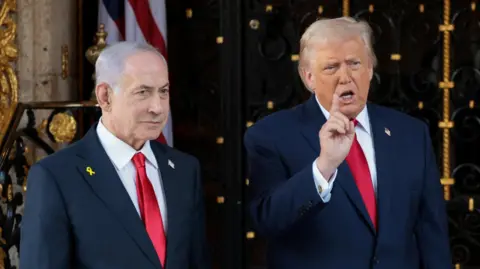
U.S. President Donald Trump remarked that this news was good and expressed hope that the situation would improve, having previously warned Iran not to execute protesters.
The Iranian judiciary stated Soltani faced charges such as colluding against national security and propaganda activities against the establishment, neither of which warrant the death penalty, according to state broadcaster IRIB.
IRIB also dismissed reports from foreign media as a blatant act of news fabrication. Iranian Foreign Minister Abbas Araghchi reiterated there was no plan to execute anyone.
This came after Trump threatened very strong action if executions went ahead amid rising speculation about potential U.S. military responses.
Soltani, a clothes shop owner, was arrested at his home last Thursday in connection with protests in Fardis, near Tehran. The judiciary claimed he was arrested during riots on Saturday and is being held in a nearby prison.
His cousin Somaya, speaking from Europe, mentioned her concern for Soltani's security, stating he had not had access to a defense lawyer, while his family faced pressure from authorities.
Soltani had hoped for basic rights for himself and other young Iranians, according to family members, who believe the government aimed to stifle protests through fear tactics.
After the judiciary's statements, the director of Iran Human Rights noted that threats of capital punishment against detainees and their families are common.
The chief justice of Iran, Gholamhossein Mohseni-Ejei, urged swift punishment for those involved in violent protests, emphasizing the need for rapid legal proceedings.
In light of ongoing unrest and violent crackdowns by the Iranian regime, the U.S. Treasury has announced new sanctions against senior Iranian officials responsible for suppressing peaceful protests.
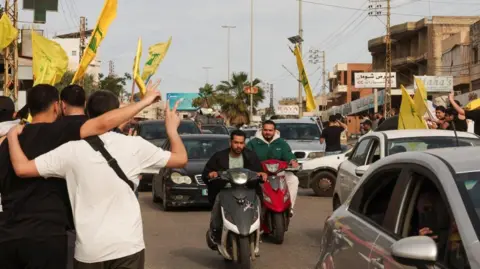
The wave of protests, spurred by economic grievances, has transformed into a broader challenge to Iran's clerical leadership, with demonstrators openly calling for regime change.
According to reports, since the protests began, thousands have died, and many more have been detained, showcasing the harsh realities faced by citizens opposing the government's oppressive policies.