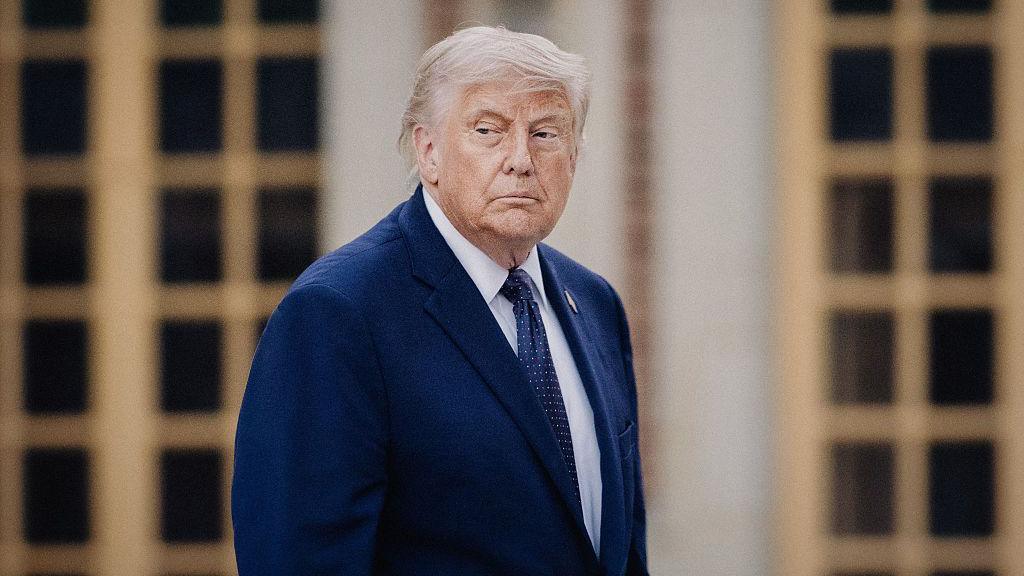
President Donald Trump has set deadlines, made demands and issued threats over the course of the five-week joint US-Israeli war against Iran. But seldom have they been this explicit.
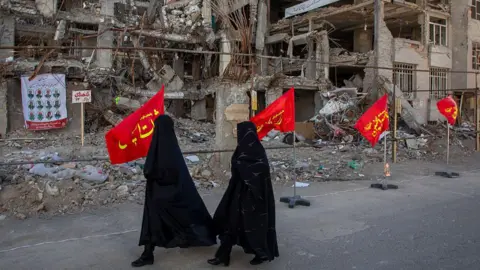
The new round of strikes against Iran will be devastating. They will begin at 20:00, Washington DC time (01:00 GMT) on Tuesday. Within four hours, every bridge and power plant in the nation will be decimated.
Very little is off-limits, Trump said on Monday.
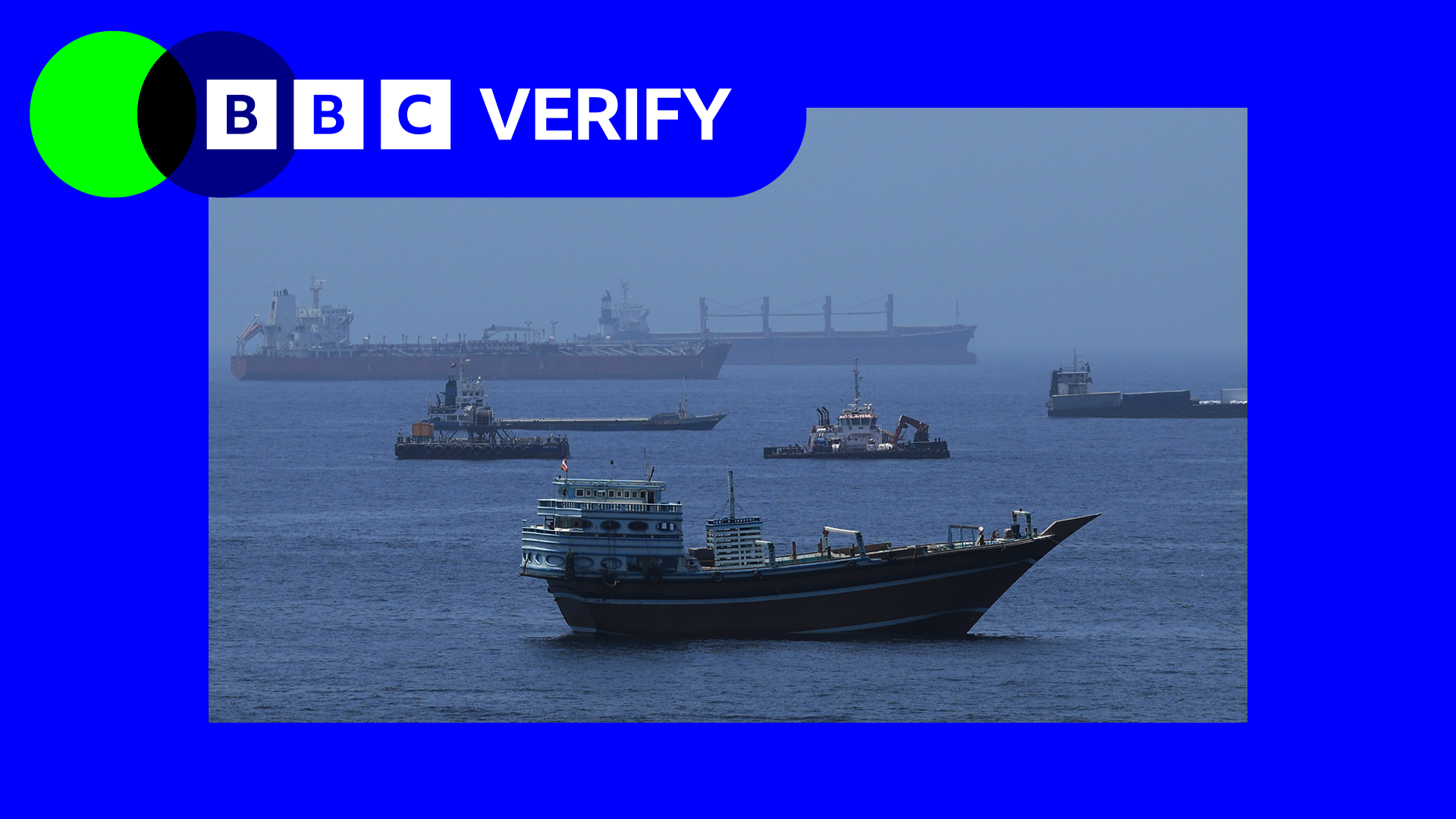
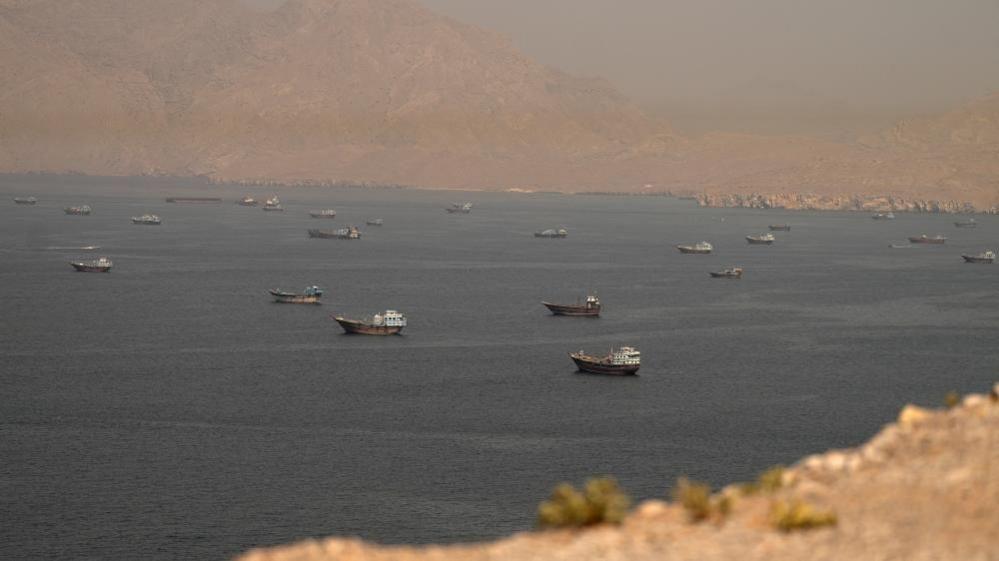
To avoid this fate, according to the president, Iran has to make a deal that's acceptable to me. A component of the agreement should include free traffic of oil through the Strait of Hormuz.
As the final hours tick down, there has been little indication that Iran is ready to agree to Trump's ultimatum. They've rejected a temporary ceasefire and issued their own list of demands, which a US official described as maximalist. This places the American president in a delicate position. If there is no agreement, Trump could extend his deadline – for the fourth time in the past three weeks. But backing away after such detailed threats, punctuated with expletives and dire warnings, could undercut his credibility as the war grinds on.
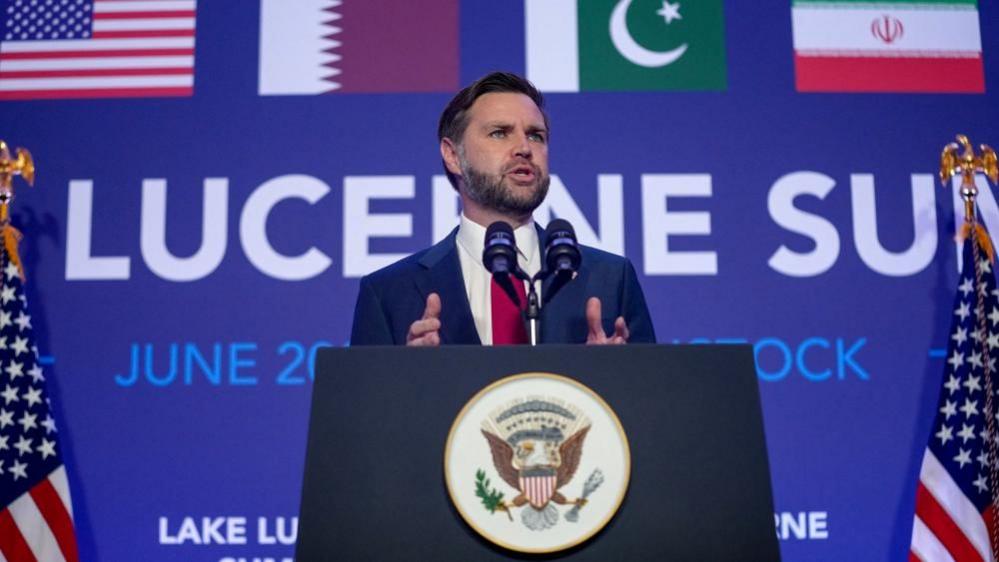
During a press conference, Trump claimed, We won, asserting Iranian militaristic defeat while suggesting that their ability to deter oil tankers might be more potent than the US acknowledges. He noted American military efficiency but recognized difficulties in navigating the realities on the ground.
Despite the threats, an air of ambiguity remains in Trump's apparent hope for last-minute negotiations, leaving the global community on edge. The dichotomy between military posturing and the potential for diplomatic resolutions highlights the complex nature of US-Iran relations at this tense juncture.