In brief
A witness from Tupac Shakur’s entourage, James "Mob James" McDonald, delivered a combative testimony in the Las Vegas murder trial of Duane "Keffe D" Davis. McDonald, threatened with contempt by the jury, declined to identify who fired the shots that killed the rapper. He explained that, while not present during the shooting, he knew that people in Shakur’s circle quickly pinpointed those involved, citing a broader gang war. The trial, which marks 30 years since Shakur’s death, now faces a challenge as witnesses resist implicating the defendant and other key figures such as former Death Row Records manager Reggie Wright Jr. The case’s outcome may hinge on whether these testimonies can clarify the chain of blame for the unresolved murder.
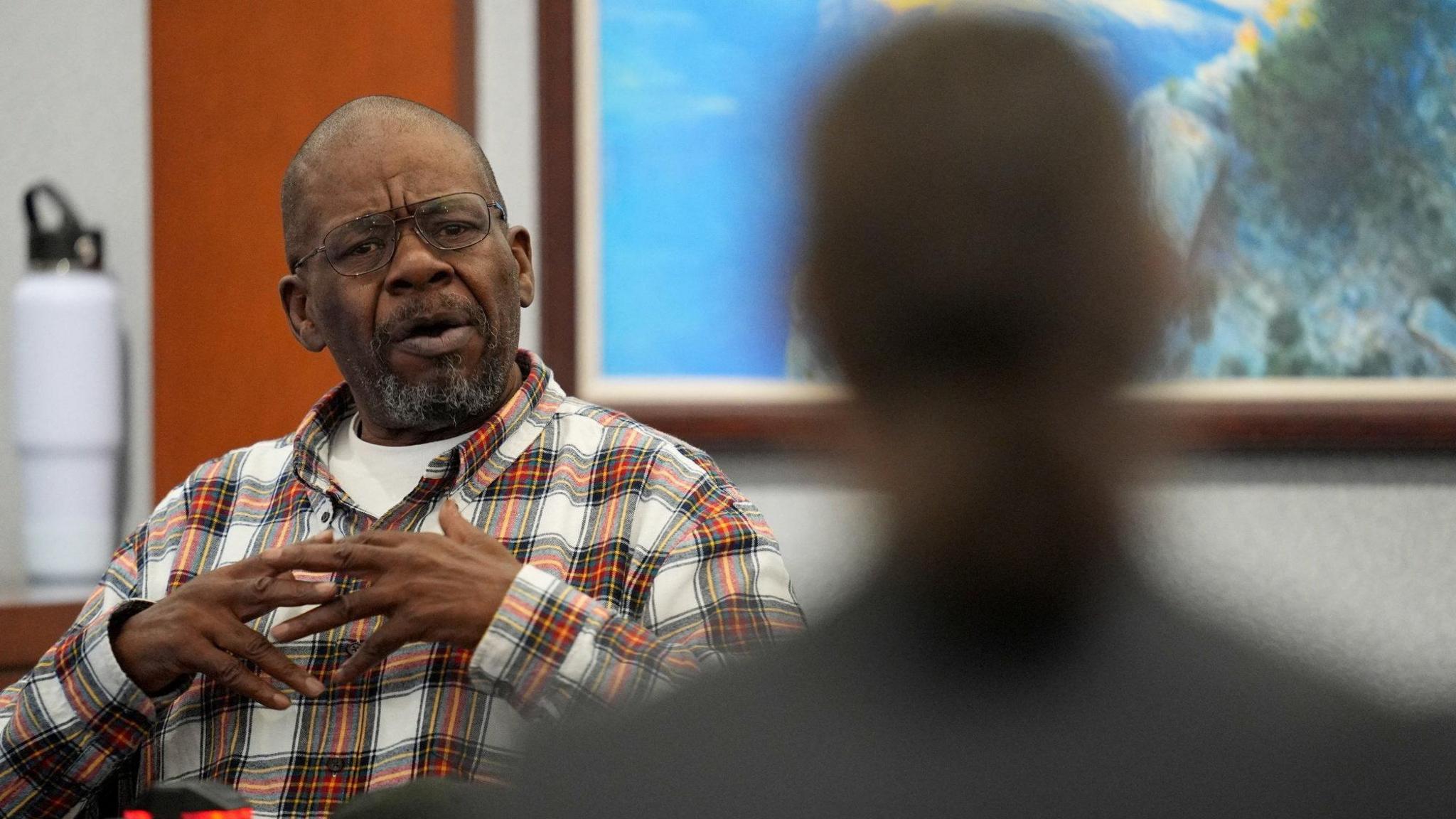
James "Mob James" McDonald, a former member of Tupac Shakur’s entourage, entered the Las Vegas courtroom prepared to testify about the 1996 shooting that claimed the rapper’s life. The witness was clearly uncomfortable, stating that he had been threatened by the court’s contempt rulings if he refused to answer questions. Despite the pressure, McDonald told the prosecutor’s lawyer that he would not help implicate the defendant, pleading that he would not send the accused, Duane "Keffe D" Davis, to prison.
McDonald is a former enforcer for Suge Knight’s Death Row Records, which represented Shakur. He clarified that he was not with the rapper on the night of the shooting, but explained that the people around Shakur quickly identified those responsible in the aftermath. His testimony highlighted how the incident was part of a larger gang war involving rival factions, including the South Side Compton Crips and the Mob Piru offshoot.
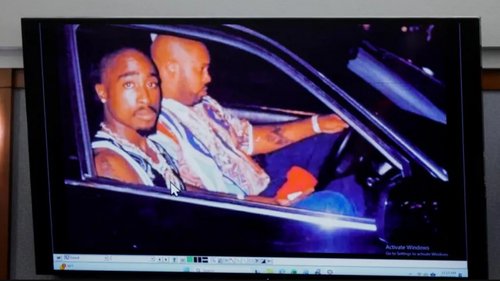
The trial, beginning almost 30 years after Shakur’s death, has long been dubbed one of America’s most high‑profile unresolved murders. Shakur was shot at a Las Vegas street the day after a Mike Tyson boxing match, and he died six days later in county hospital. The case now faces a new test when witnesses like McDonald resist convictions that could implicate Davis.
In addition to McDonald’s testimony, law‑enforcement and Diehge associates such as former Death Row Records manager Reggie Wright Jr. have appeared as witnesses. Davis’s defense team has challenged their testimonies, further stirring legal drama as the trial proceeds.
The courtroom’s atmosphere remains tense as new evidence and witness narratives surface, with the jury poised to decide a case that was once cold but now reopened under heavy media scrutiny. The outcome of this trial will carry implications not only for law‑enforcement but also for the cultural memory of Tupac Shakur and the old‑school hip‑hop era on the West Coast.