In brief
A recent BBC investigation documents a pattern of assaults on hospitals in Sudan’s el Fasher, carried out by the Rapid Support Forces during a siege that began in 2024. The findings list over forty separate attacks, resulting in injuries, deaths and forced disappearances among medical staff. UN officials label the strikes as serious violations of humanitarian law, while the RSF denies the allegations and calls them propaganda. International bodies such as WHO and UN human‑rights representatives urge accountability and stress the protected status of health facilities in conflict zones.
Systematic Attacks on El‑Fasher Hospitals
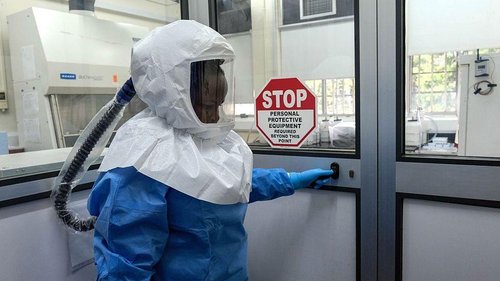
A BBC investigation has identified a series of deliberate strikes on medical facilities in the Sudanese city of el‑Fasher. The assault series began during a prolonged siege undertaken by the Rapid Support Forces (RSF) beginning in May 2024 and continued through the fall of the city in October 2025.
The timeline compiled by the BBC documents at least 43 separate attacks on hospitals and health centres, including repeated shelling of the main South Hospital and the teaching hospital. The assaults were accompanied by power failures, shortages of supplies, and the forced displacement of medical personnel.
United Nations human‑rights chief Volker Türk described the findings as “deeply disturbing” and warned that the attacks violate the principles of international humanitarian law that protect health care facilities and staff in war.
The RSF has categorically rejected the BBC’s claims, dubbing them propaganda by the Sudanese army and its allies. Health minister of the RSF‑backed civilian government has characterized the allegations as false statements designed to tarnish the RSF’s reputation.
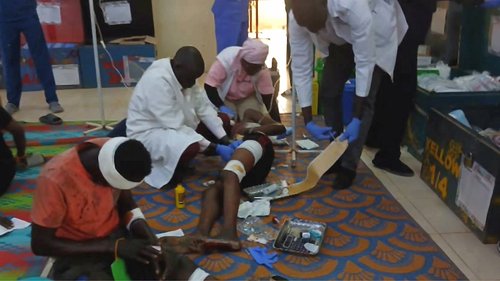
According to the BBC report, over the period from April 2023 to October 2025, 120 medical workers were injured, 55 were killed and 10 were abducted or disappeared. In one instance, a surgeon at the South Hospital was beaten and forced to lie down to survive an encounter with RSF fighters.
Doctors who worked in el‑Fasher highlight the deliberate nature of the attacks, noting that the facilities were targeted while they were still serving civilians. Some clinics and private hospitals have been forced to close following repeated shelling and drone strikes.
The WHO has condemned bombings that hit the al‑Daein hospital in eastern Darfur and has documented the ongoing impact on health services in Sudan. WHO officials point to the broader pattern of violence against medical infrastructure as one of the clearest indicators of the humanitarian crisis unfolding in the country.
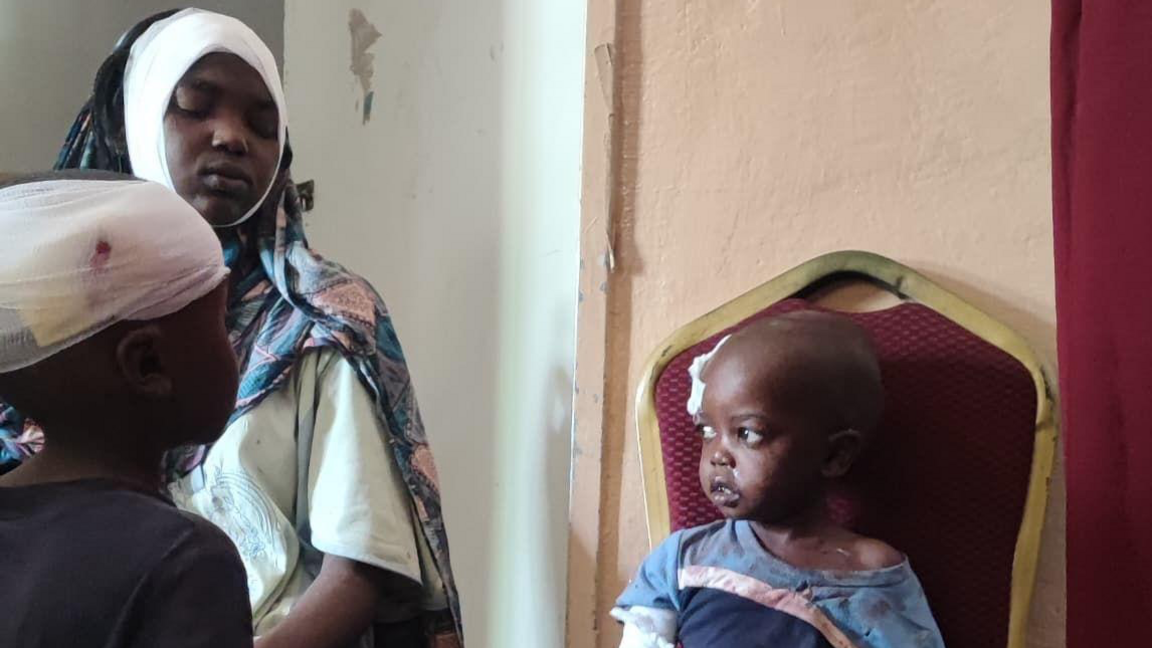
Reports from frontline staff describe a scenario where hospital beds, surgical instruments, and supply caches were destroyed, and patients were forced into makeshift relocations. The resulting chaos has left many civilians without access to needed medical care.
Since the RSF captured el‑Fasher, the RSF‑backed government has re‑opened certain hospitals, but international monitors continue to call for independent investigations of alleged war crimes. The BBC’s findings have been shared with UN investigators who echo concerns about repeated violations of protected sites in conflict zones.
Regional and international observers continue to monitor the situation, urging all parties to respect the safe zones set up for health facilities and to ensure that medical staff can operate without fear of assault or removal.