In brief
Typhoon Dolphin struck eastern China, prompting authorities to evacuate more than one million people from cities such as Shanghai, Zhejiang and Fujian. The storm, the most powerful that year, produced torrential rain, high winds and flash flooding that shut down airports, rail lines and major tourist sites. While mainland evacuations were extensive, the cyclone also impacted the Philippines, Japan and Hong Kong, causing casualties, evacuations and record temperatures. Chinese officials warned of ongoing danger for several days, curbing outdoor activities and deploying emergency shelters. The event highlights the growing intensity of typhoons amid a strong El‑Niño season and the importance of coordinated disaster response.
Mass Evacuation in China as Typhoon Dolphin Strikes
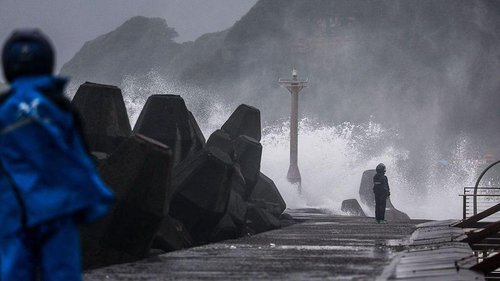
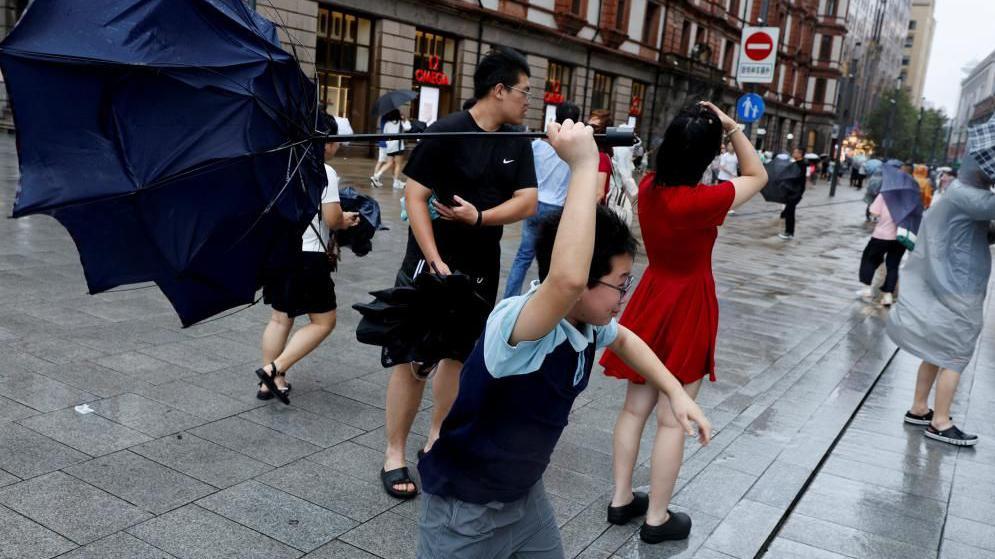
Chinese authorities ordered the evacuation of more than one million residents in eastern provinces and the financial capital Shanghai after Typhoon Dolphin made landfall on Sunday evening. The storm brought heavy rain and halted transportation across the region, with nearly 1,000 flights cancelled at Shanghai Pudong International Airport.
Meteorologists reported maximum wind speeds of 150km/h as the typhoon first struck Yuhuan in Zhejiang province at 17:30 local time, before a second landfall in Wenzhou an hour later. The government downgraded Dolphin to a tropical storm but warned of ongoing torrential rains, severe flooding and landslide risks through Wednesday.
Impacts on Tourism and Public Safety
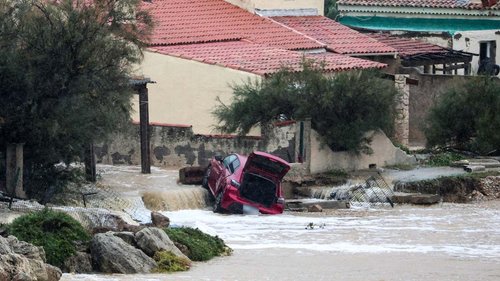
Major attractions such as Disneyland and Legoland were closed, and several viewing platforms on Shanghai’s Bund shut down. State media showcased flooded ground‑floor storefronts in the former French Concession and images of residents wading through ankle‑deep water.
Reports surfaced about a nine‑year‑old boy from Wenling missing after being swept into the sea. While no official casualty numbers have been released, authorities have urged people to avoid outdoor activities.
Broader Regional Consequences
Beyond China, Dolphin’s effects were felt in the Philippines, northern Taiwan and Japan’s Okinawa island. Eight Philippine residents died from heavy monsoon rains linked to the typhoon. In Okinawa, five seniors suffered non‑life‑threatening injuries after falling due to strong winds. Hong Kong reported a record high daily temperature of 36.9°C as warm air pushed over the city during the storm.
In Zhejiang, evacuations involved roughly 900,000 residents, with 1,000 emergency shelters established; Taizhou saw about 390,000 people displaced. In Fujian, maritime transport and offshore construction projects were suspended.
Misinformation and Governance
State media reported detentions of two individuals for spreading misinformation about the storm: a 60‑year‑old man who fabricated an AI video showing a Shanghai fall and a 32‑year‑old who re‑edited footage from social media. The Chinese government highlighted the importance of accurate information during disaster response.
The typhoon’s journey spanned about 6,000km, suggesting a lifespan over three times the average for a typical typhoon, according to CCTV. The storm’s massive circulation and high rainfall potential were noted as attributes of the unusual cyclone.
Scientific Context and Future Outlook
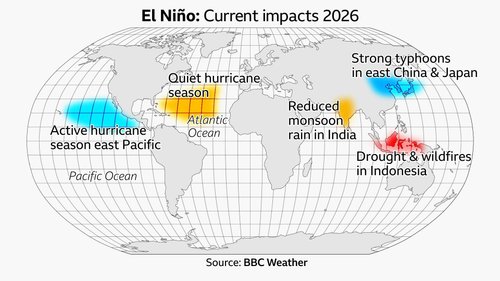
Typhoon season in the western Pacific, running between May and October, is expected to remain active this year because of the strong El‑Niño, a climate pattern that can intensify tropical systems. Authorities are preparing for further storms and monitoring future impacts across the region.