In brief
Denmark’s new policy will ban mink farming from August 2029, with a two‑year transition to close all remaining farms. The decision follows the country’s earlier EU‑mandated ban on fur farming, a steep decline in the domestic fur trade, and a massive cull of 15 million animals during the COVID‑19 pandemic. Government officials justify the move on welfare and economic grounds, while industry groups caution about losses. The ban signals a broader shift in Europe toward sustainable alternatives and reflects changing public attitudes toward fur.
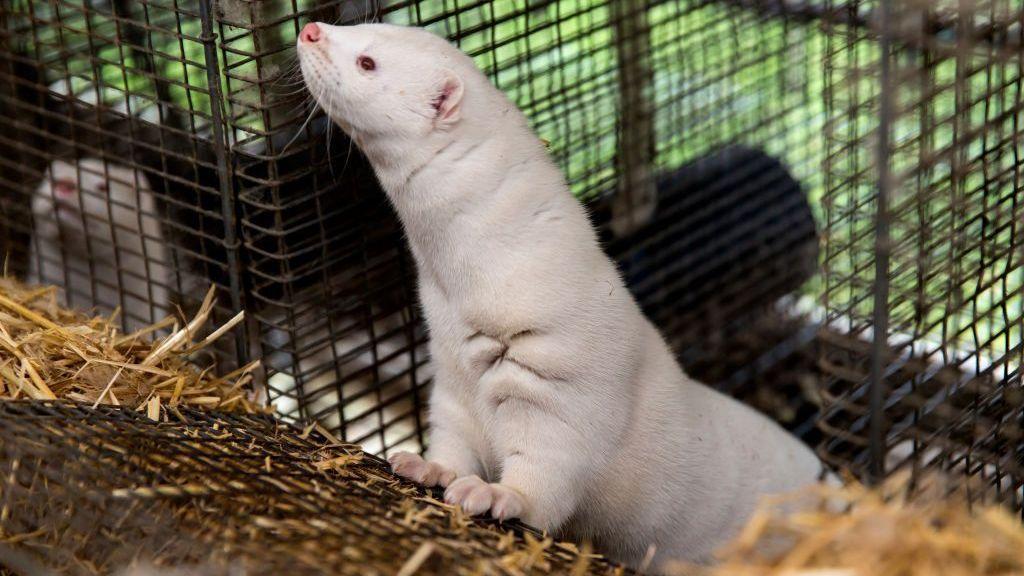
Denmark will stop breeding mink by 7 August 2029, after the cabinet reversed a plan to seek an exemption from an EU ban on the practice. The move follows years of declining production, growing ethical scrutiny and a high‑profile cull during the COVID‑19 pandemic.
Under the new rule, mink farms will be phased out over two years, giving remaining producers time to transition or shut down. The final eight farms are expected to close by mid‑2029, after approximately 15,000 animals remain in Danish facilities.
Nature Minister Christian Rabjerg Madsen said the decision prioritized animal welfare and the wider interests of society and business. "A business should not persist solely because it has a long history," he told the press.
When the EU listed the mink as an invasive species in 2025, the Danish government first sought a special exemption. The new coalition, elected in June, elected instead to abandon the application on Friday, allowing the ban to proceed without further legal disputes.
Social Democrat MP Brigitte Vind welcomed the decision as a “good day for animal welfare,” echoing the wider sentiment among many European lawmakers who view fur farming as a low‑profit, high‑risk industry.
The policy follows the 2020 cull of roughly 15 million Mink after a variant of the coronavirus was detected in Danish farms. At that time the government admitted it had no formal legal basis for the mass killing, sparking international criticism.
Cost estimates for closing the final farms hover around 14 million Danish kroner (about £1.5 million), though officials warn the figure could rise as the industry seeks a more regulated exit strategy.
Fur, once a staple of luxury fashion, has faced growing resistance from designers, consumers and advocacy groups. While many brands dropped fur in the 2000s, interest resurfaced last year with nostalgia‑driven collections that sparked debate over ethical sourcing.
Denmark’s ban is expected to tighten the EU’s collective push toward sustainable materials, prompting industry players to diversify toward alternative fabrics. For American and Asian buyers, the move signals a shift in the global fur market, potentially redirecting trade flows to countries that still support regulated fur production.