UK‑Israel Trade Ban Sparks Tense Fallout
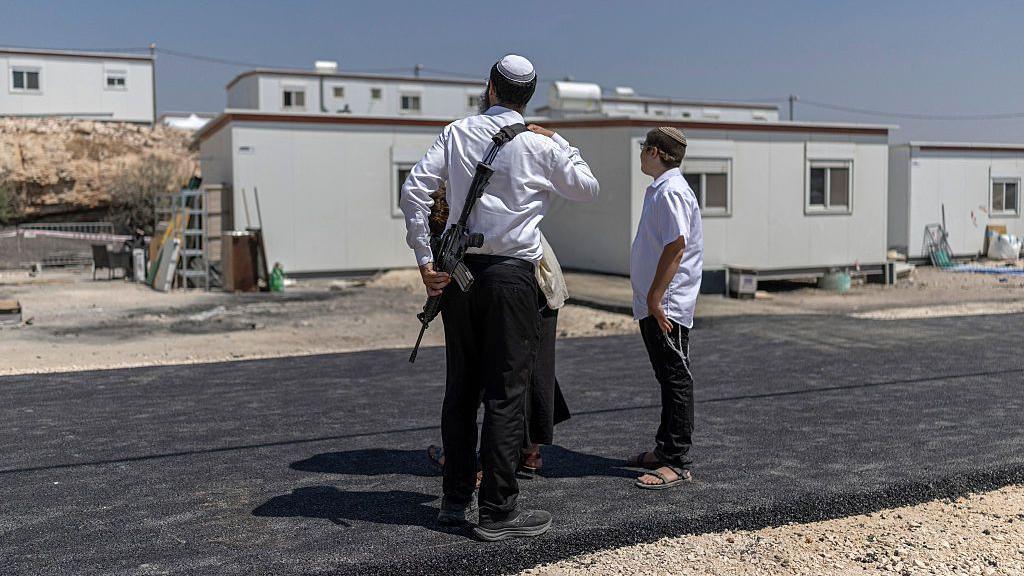
On 8 September 2026, Britain joined eleven other states in imposing a broad ban on goods produced in Israeli settlements within the occupied West Bank. The move follows a 2024 International Court of Justice ruling which the UK has accepted as confirming the occupation is unlawful.
The ban covers products, companies involved in construction or finance of settlements, and arms that materially contribute to the occupation. British officials framed the action as a “reset” of UK policy toward Israel and a clear statement that it would no longer supply goods that aid the settlement enterprise.
Israel’s reaction was immediate and forceful. The government ordered the closure of the UK consulate in East Jerusalem and removed its representatives from the International Gaza Support Centre. In a rare public address, Foreign Secretary Ed Miliband openly criticised Israeli settlement policy, calling it “rampant terrorism” and accusing Israel of “ethnic cleansing.” Israeli officials, led by Foreign Minister Gideon Saar, pledged retaliatory measures and declared the ban a “big mistake.”
The backlash has polarized Israeli society. Many Israelis endorse the policy, while others view settlers as a national embarrassment. The debate has revealed deep divisions over the legal status of settlements and the future of the peace process.
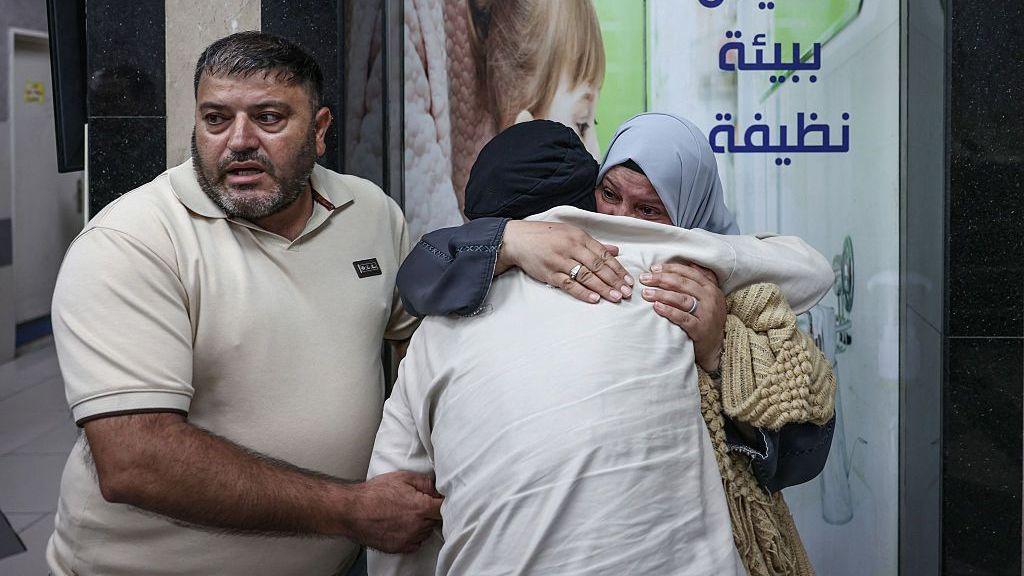
Palestinian authorities welcomed the sanction, describing it as a turning point that could accelerate the establishment of a state within the 1967 borders, with East Jerusalem as its capital. The Palestinian ambassador to the UK remarked that the decision could “pave the way for independence,” though he cautioned that the long‑standing occupation remains unchanged.
Internationally, the ban has drawn a divided response. France, Spain, Canada, and other allies have adopted similar measures, while the United States—under President Trump—has shown little interest in limiting settlement activity. US diplomats remain aligned with Israeli policy, reflecting the enduring geopolitical influence of Washington on the region.
The confrontation highlights the limited ability of multilateral actions to alter deeply entrenched positions in the Israel‑Palestine conflict. While Britain signals a new stance on international law, the enduring tension indicates that any resolution will require a broader diplomatic framework that acknowledges both the legal claims and the security concerns of all parties involved.