In brief
Following a shooting that killed two Israeli soldiers on Oct. 23, the Israeli army withdrew from Hebron on Nov. 2 after a ten‑to‑eleven‑day operation. Xinhua reports differ on the length of the operation, the number of homes demolished, and the extent of displacement, but both confirm widespread destruction and return of residents. Local officials and residents described the aftermath as a mix of destruction and determination to rebuild.
Israeli troops withdrew from the West Bank city of Hebron on Monday, ending a military operation that began after a shooting that killed two soldiers on Oct. 23, according to two Xinhua reports published on Nov. 2.
Xinhua 1 stated that the operation lasted ten days, citing an Israeli military official who said the withdrawal followed Defense Minister Israel Katz’s decision on Sunday night. The report highlighted that the operation involved several Palestinian families’ evacuation, house demolitions, and closures. Forces seized four weapons, demolished the homes of the two attackers, and detained dozens of suspects, the report added.
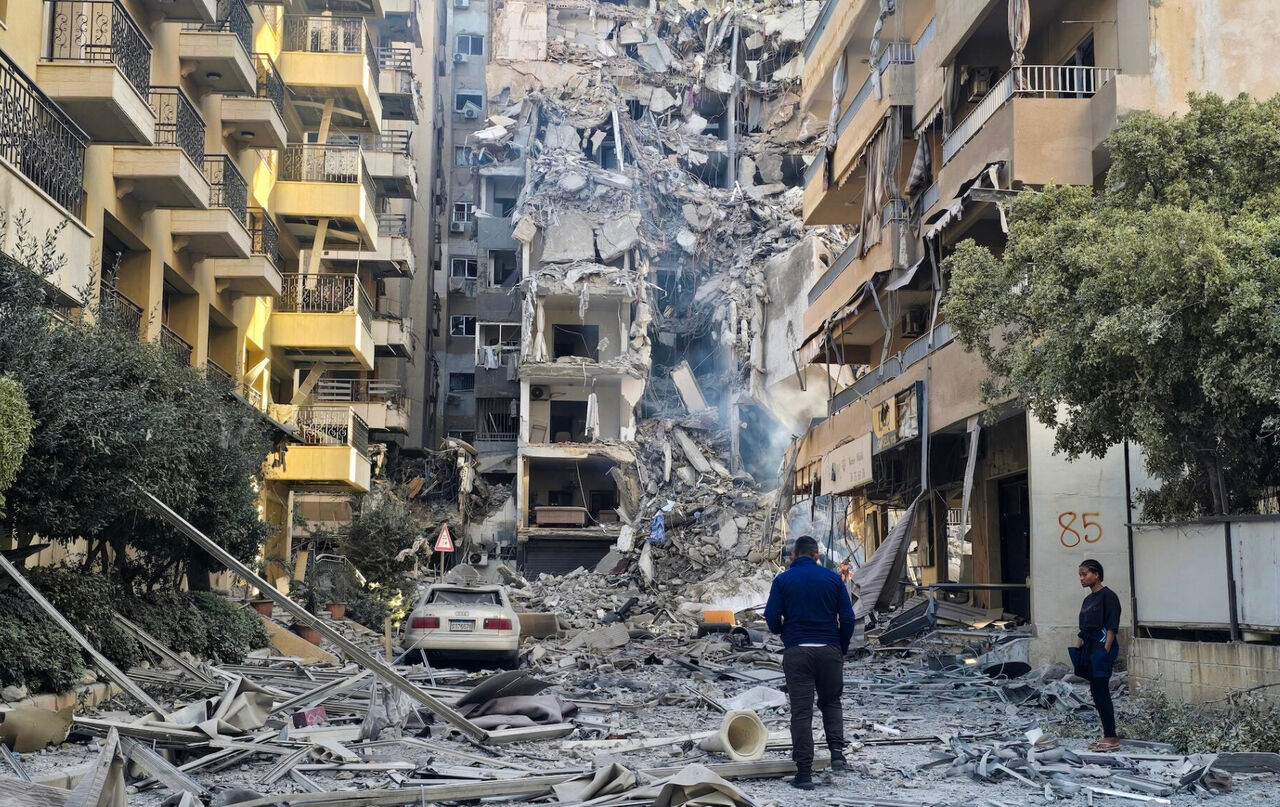
Xinhua 2 recorded an eleven‑day operation, describing widespread destruction and damage to residential buildings and infrastructure. According to Palestinian sources, more than 3,300 residents were displaced. The report said 15 homes and other structures were demolished and that damage extended to infrastructure and economic activities, with the Hebron municipality noting disruptions to education.
Operation Length and Impact
The differing durations—ten days versus eleven days—underscore the difficulty in pinpointing the exact timeline. Both accounts agree that the offensive commenced after the Oct. 23 shooting that killed two Israeli soldiers, yet they present different figures for the scale of demolition and displacement.
While the first source notes four weapon seizures and the demolishment of the attackers' houses, the second source specifies 15 demolished residences and destructive impact on the broader village infrastructure, including schools and roads.
The report of 3,300 displaced residents, exclusive to the second source, contrasts with the first account’s omission of a displacement figure, indicating variance in the reported reach of the operation’s effects.
When the operation ended, residents were escorted back to their homes. In both observations, villagers began returning to neighborhoods that had been blocked off during the operation, signaling the physical conclusion of the military presence.
Unlike the first account, the second source captured local sentiment. Rashid al‑Ja'bari, identified by Xinhua in a photograph wearing a keffiyeh, said the destroyed homes would be “rebuilt from scratch.” He added, “This is our land, and we will not leave it, no matter what destruction and devastation the Israeli occupation inflicts,” a sentiment echoed by local authorities.
Hebron Governor Khaled Dudin confirmed the withdrawal, noting that Palestinian security forces had assumed control of the neighborhoods, villages, and towns. He also mentioned ongoing efforts by relevant authorities to secure residents’ safe return.
The impact on infrastructure extended beyond housing. The operation’s demolition of 15 homes and other structures, according to the second source, caused disruptions to economic activity and education, necessitating future reconstruction efforts. The first source did not elaborate on broader infrastructural damage, focusing mainly on the seizure of weapons and detainment of suspects.
These discrepancies highlight the challenges of reporting from a highly contested environment, where each source may emphasize different aspects of the event. Both reports nevertheless converge on the key facts of a military campaign triggered by a fatal shooting, the subsequent withdrawal of Israeli forces, and the return of displaced residents to Hebron.
Authorities on both sides now face the task of addressing the immediate needs of residents, restoring damaged infrastructure, and navigating the political ramifications of the operation’s outcomes. The departure of the army signals an end to active combat in Hebron, but the region remains under heavy scrutiny as efforts to rebuild and resolve tensions continue.