In brief
The UK government announced punitive measures against Israeli settlement activity in the occupied West Bank, labeling it as illegal under international law and accusing the Israeli government of enabling "ethnic cleansing". The move, backed by France, Canada, and a coalition of 11 European states, included bans on the sale of goods to settlements and restrictions on companies supporting settlement expansion. Israel’s foreign minister responded angrily, announcing the closure of the UK consulate in East Jerusalem and threatening to ban certain UK MPs from entering Israel. The sanction decision came amid growing criticism of Israel’s planned E1 settlement project, which some say would make a two‑state solution impossible. Analysts say the policy could reshape diplomatic ties, while human‑rights observers warn of increased tensions for both Palestinians and Israelis.
In a sweeping move aimed at curbing Israeli settlement expansion, the United Kingdom announced sanctions that forbid the sale of goods to, and support for, illegal settlements in the West Bank. Foreign Secretary Ed Miliband described the policy as “the beginning of a new approach” to the Israeli‑Palestinian conflict, provoking a written attack from Israeli Foreign Minister Gideon Saar.
The sanctions, which also target companies and individuals facilitating settlement growth, are being implemented over the next six to nine months. They are part of a coordinated effort by Britain, France, Canada and 11 other European and Commonwealth states, all of whom stated the measures support a durable two‑state solution. The UK will also ban the advertising of illegal settlement projects within its borders.
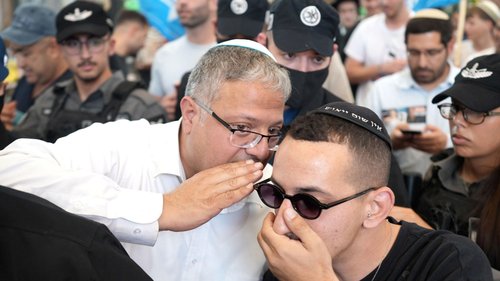
Saar’s response was swift and forceful. He characterised Miliband’s statements as an “outrageous lie”, announced the closure of the UK consulate in East Jerusalem, and called for an inclusive ban on certain UK Members of Parliament from entering Israel. He framed Britain’s policy as an assault on the state of Israel, a stance echoed by Israeli President Isaac Herzog and some Israeli political figures.
The sanctions come amid the Israeli government’s plan to build around 1,200 new homes in the E1 sector, an area that has received international condemnation for its strategic significance. Miliband argued that the proposed E1 expansion would make a two‑state solution “unviable” by cutting through core Palestinian territory. Israeli officials stated the moves were defensive responses to the 7 October Hamas‑led attack and the subsequent Gazan war.
Beyond the West Bank, the UK also extended sanctions to the Iranian‑backed Lebanese group Hezbollah and to Iran itself, aligning with similar actions by the United States and the European Union.
Reactions from Palestinian leaders were positive, with the Palestinian President calling the measures a crucial step toward confronting Israel’s colonial system. In contrast, Israeli Jews in Britain expressed a complex mix of condemnation for the penalties and an unbreakable commitment to their homeland.
International experts caution that the sanctions, while highlighting legal and moral concerns, might heighten local tensions and provoke further diplomatic friction. The policy sits at the nexus of regional security, humanitarian law and global diplomatic strategy, underscoring the intricate political terrain that surrounds the contested West Bank region.