US-Israel Coordination Under Scrutiny Amid Escalating Tensions with Iran
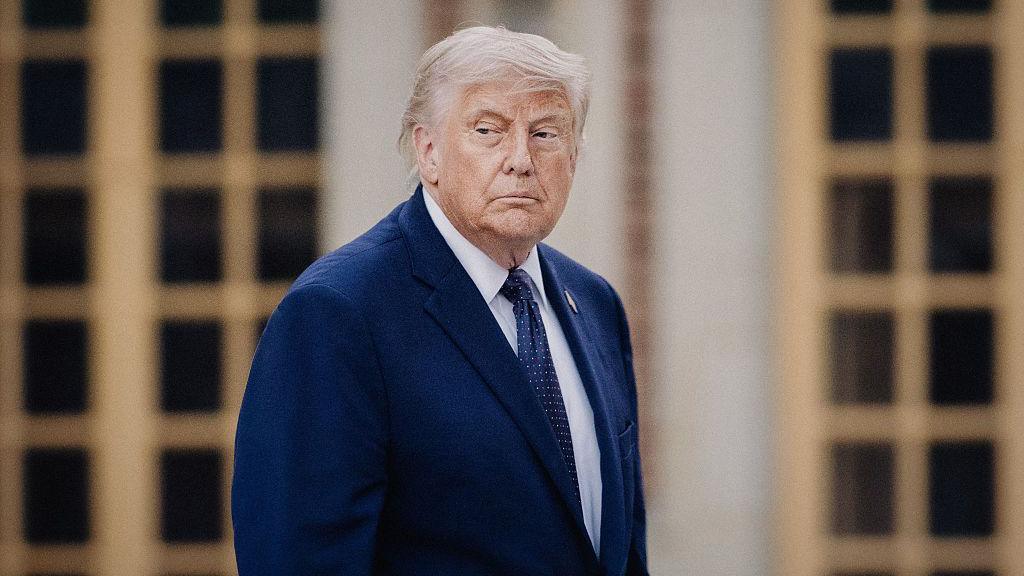
In response to the recent attack on a significant natural gas field shared by Iran and Qatar, President Donald Trump has issued strong statements that raise questions regarding the alignment of U.S. and Israeli military strategies in the ongoing conflict with Iran.
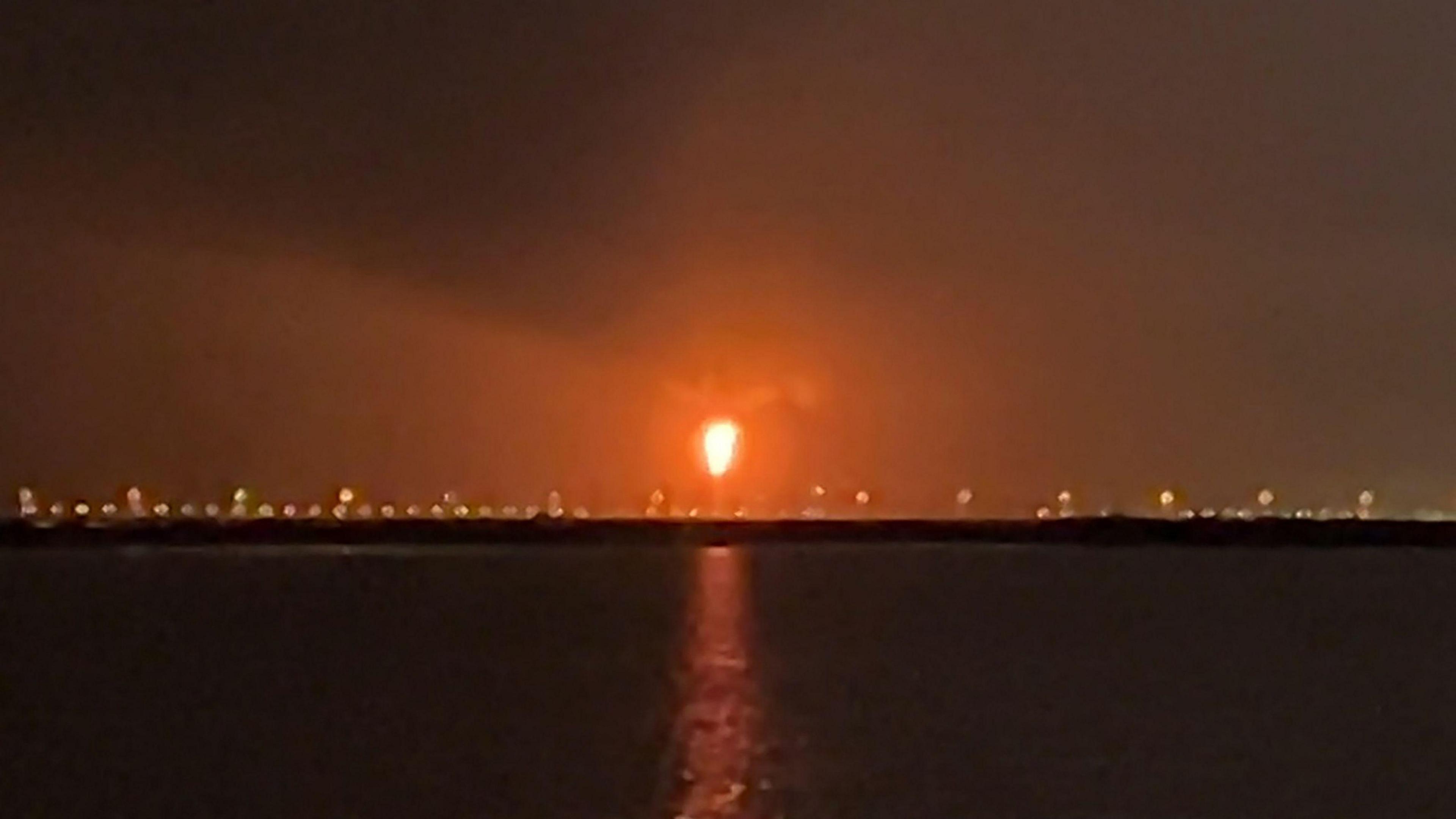
Trump's remarks followed Israel's strike on Iran's South Pars gas field, part of the world's largest, which prompted Iran to retaliate by attacking a facility in Qatar. This back-and-forth escalated tensions and caused a spike in global energy prices.
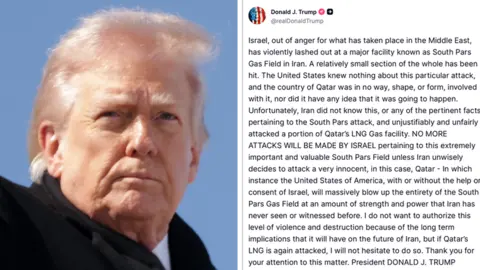
On his Truth Social platform, Trump claimed he had no prior knowledge of the Israeli plans to strike, a statement that contradicts reports from various Israeli news outlets suggesting that the action had been coordinated with the U.S. and discussed with prominent leaders in the Gulf region.
The language used by Trump in his statements hints at a rift, describing the Israeli actions as “violent” and suggesting that Israel acted out of “anger.” This vocabulary is typically reserved for Iran's more erratic responses, raising the question of whether Trump viewed the Israeli attack as a misstep.
Furthermore, Trump asserted that, moving forward, Israel would not engage in further attacks on the gas field unless provoked by Iran. This ultimatum, coupled with his threats to retaliate should Iran attack Qatar's facilities again, portrays a complex relationship that may be fraught with mutual suspicion. The president's comments exhibit concerns that Israel may be acting too independently.
Israeli Prime Minister Benjamin Netanyahu promptly sought to reassure that the U.S. and Israel remain aligned in their objectives toward Iran. He claimed that Trump was in command and expressed confidence in their cooperative efforts. Israeli spokespersons echoed this sentiment, asserting that both countries share goals regarding Iran's nuclear program and regional influence.
However, analysts point to divergences in strategy: while Israel appears committed to regime change in Iran, the U.S. has been more focused on degrading Iran's military capabilities rather than its government. As the conflict continues to evolve, the necessity for close American-Israeli collaboration becomes increasingly evident, even as the two nations navigate their own interests and approaches in an unpredictable and volatile landscape.