US imposes sanctions on International Criminal Court
The Trump administration announced sweeping sanctions on the International Criminal Court (ICC), limiting U.S. entities from doing business with the tribunal. Secretary of State Marco Rubio said the measures are intended to defend U.S. sovereignty and protect Americans from potential prosecutions by the court.
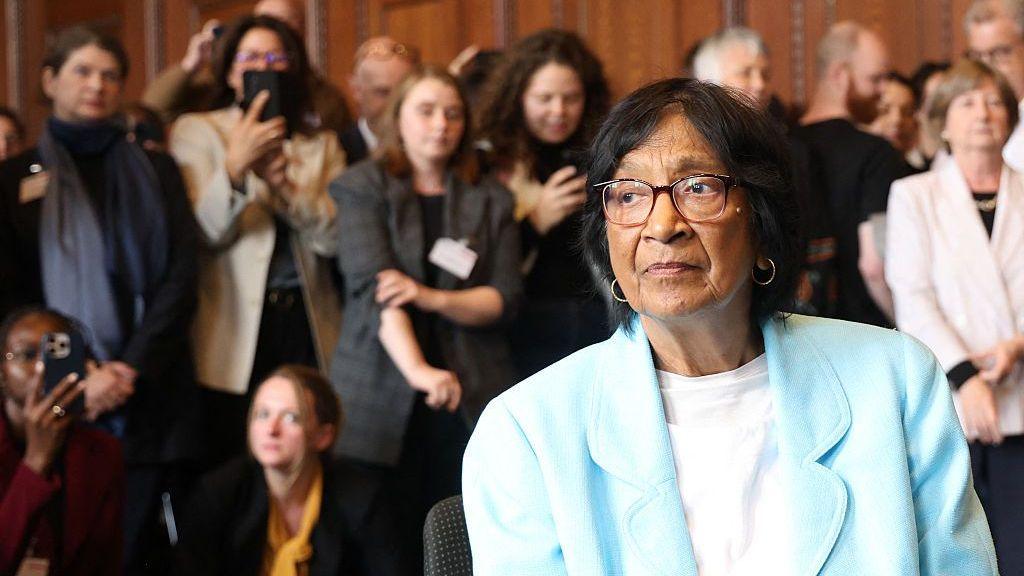
The ICC described the sanctions as an attack on the rule of law and the foundations of the international legal order. In a related development, former ICC judge Navi Pillay was honoured with the 2026 Nobel Peace Prize, a move that prompted criticism from President Donald Trump, who has previously sought the award for himself.
The U.S. government maintains that the ICC has no jurisdiction over it, as the United States never ratified the Rome Statute that founded the court. Nevertheless, the ICC has examined U.S. actions in Afghanistan and issued arrest warrants for Israeli officials, including Prime Minister Benjamin Netanyahu.
Rubio highlighted that the sanctions would prevent U.S. companies from providing goods or services to the ICC, such as banking and software, and urged allies who are ICC signatories to "rein in" the institution. The sanctions were delayed to give the court and its member states time to address U.S. concerns and to allow for possible negotiation of a solution.
The ICC responded that the measures aim to disrupt its work and intimidate collaborators, but pledged it would not be deterred by the restrictions.