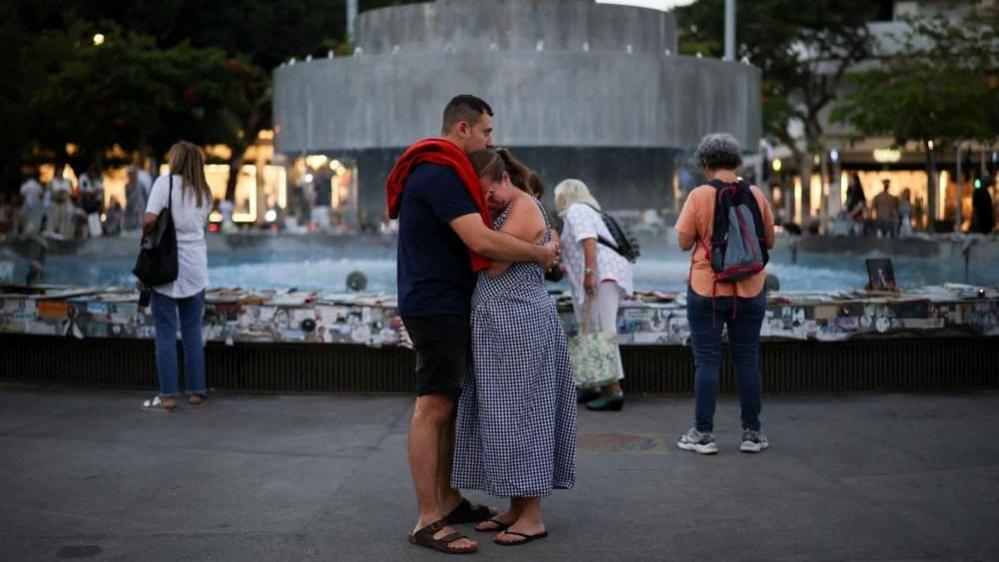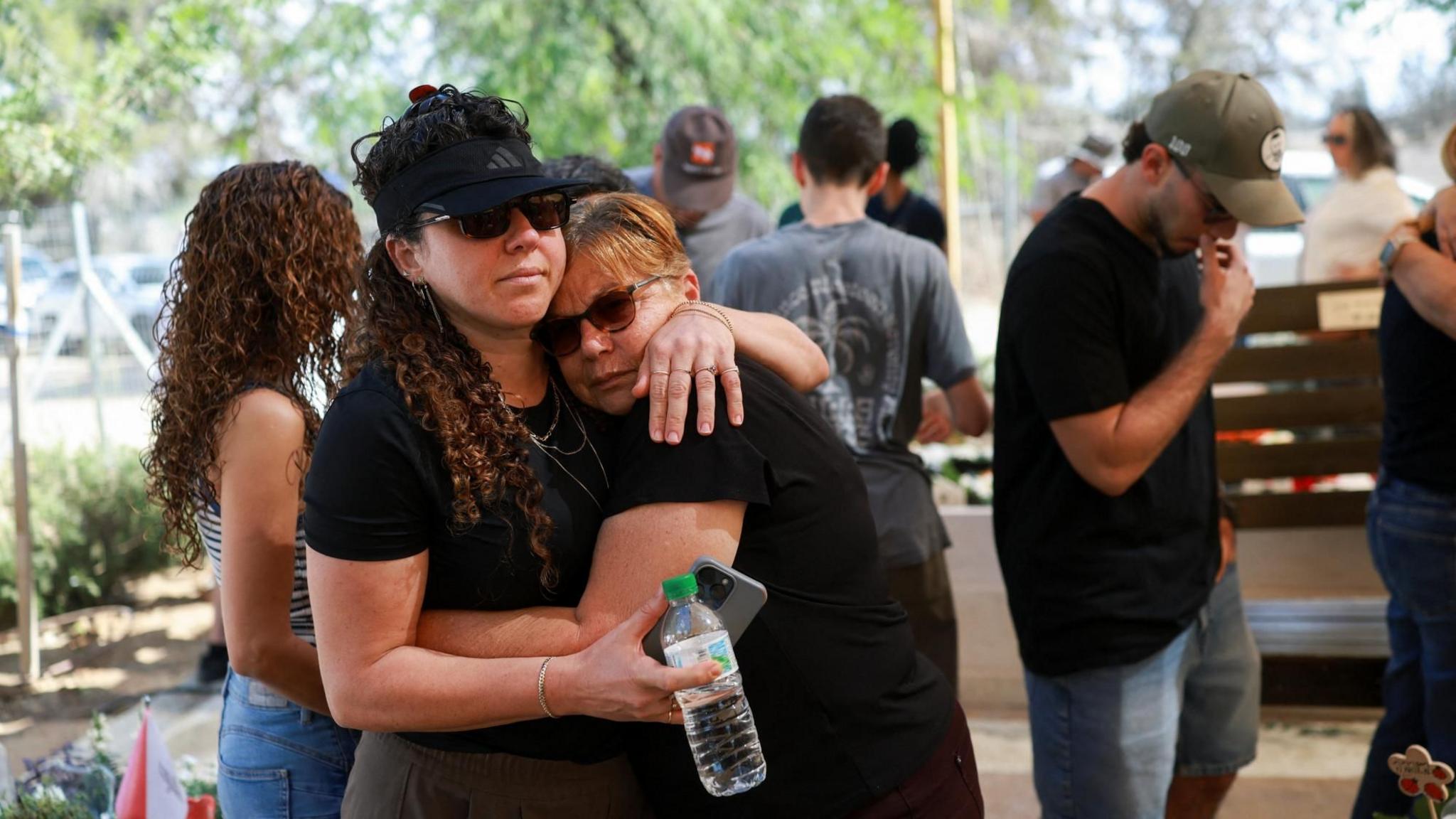
The sky over Kfar Aza was still dim early Wednesday as mourners gathered for the third anniversary of the October 7, 2023, attacks.
The local kibbutz’s civil defence squad, 14 members strong, were gunned down within the first hour of the raid. Thirty‑one civilians died, nineteen were taken hostage, and the loss reverberated across southern Israel.
Three years after that day, questions still loom about the chain of command that failed to prevent the assault. Residents in Kfar Aza now demand that Israel conduct an independent inquiry into the intelligence and security decisions that preceded the attacks.
“I want my country to take responsibility,” said Inbar Goldstein, whose own brother and niece were among those killed. Her plea echoes those of thousands of Israelis who feel their grief has turned into a call for political accountability.
Key critics point to a series of warnings that appeared to warn the Prime Minister and his security chiefs of an impending assault. Reports claim that Israeli soldiers posted on the Gaza border observed suspicious activity weeks before the attack, and that regional leaders—such as the Emirati and Egyptian governments—sent pre‑emptive calls to Netanyahu.
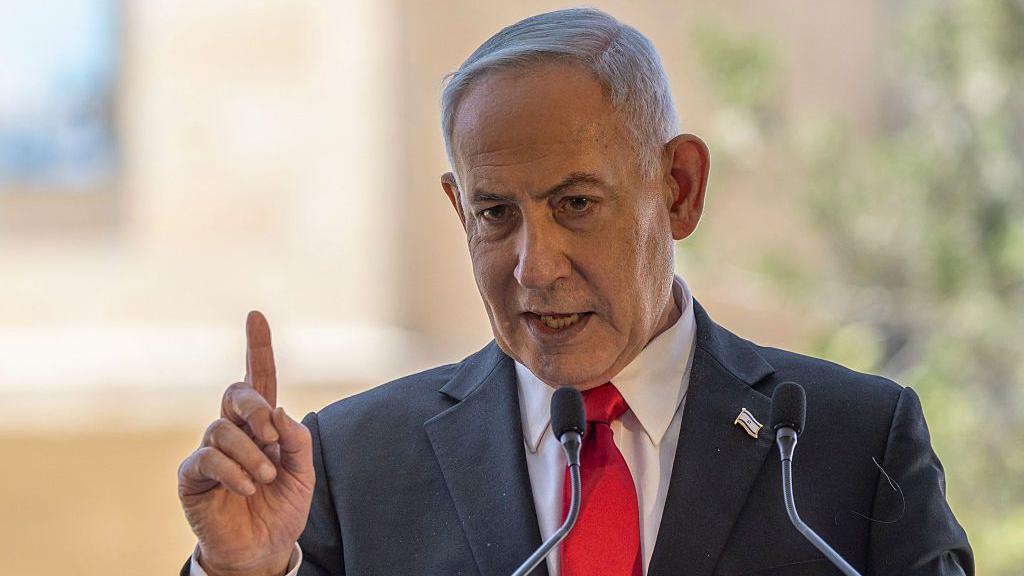
Netanyahu, who is running for a fourth term, insists he was unaware of any imminent threat. In recent statements he has dismissed the warnings as “absolutely false,” even threatening to sue Israeli news outlets that reported otherwise.
While the Israeli defence ministry’s chief of staff resigned and a number of commanders were sacked after the attacks, no formal legislative committee has been established to investigate the failures. Some opposition figures argue that a university‑sponsored, open inquiry—overlooked by the government—would force the executive to answer questions on parliamentary oath.
The debate has become an election issue. Candidates opposing Netanyahu—most notably former finance minister Gadi Eisenkot—have called for a state commission that would examine the October 7 operation in a neutral court. The motion, if approved, could dramatically reshape public perception of the security record currently portrayed by the Likud party.
Meanwhile, support for Netanyahu has not vanished. For many Israeli voters, his record of military action against Hamas, Hezbollah and Iran, as well as his widespread security rhetoric, still offers a sense of protection against potential future attacks. Polls suggest that security concerns remain one of the most polarising factors in the upcoming vote, underlining how the legacy of October 7 shapes Israel’s domestic political climate.
As the nation continues to grapple with grief and a hard‑to‑ignore sense of unfinished justice, the call for a formal inquiry signifies the growing frustration with unaccountable leadership. Whether a commission will materialise remains uncertain, but the story of Kfar Aza’s memorial is a stark reminder that accountability is an issue beyond politics—one that affects real families and the collective memory of a nation.