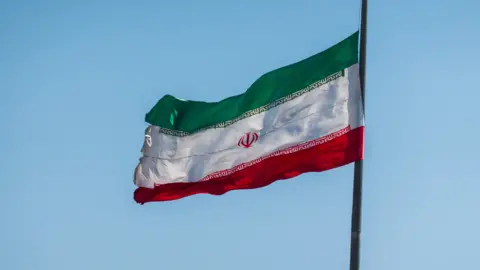
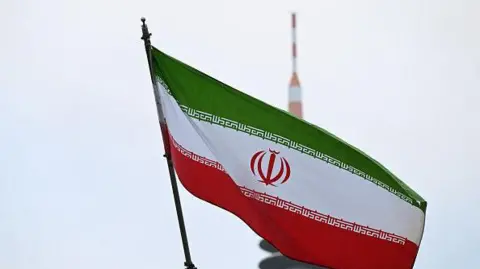
WASHINGTON (AP) — The U.S. imposed sanctions on 10 individuals and firms from Iran and Venezuela for contributing to Iran’s advanced drone and ballistic missile programs, a move that the Trump administration claims poses a threat to both American and allied interests in the Middle East.
The recent sanctions enacted by the Treasury Department are intended to fortify the reimposed United Nations sanctions on Iran regarding its nuclear activities, which Iran asserts are solely for peaceful purposes.
The sanctioned entities include a Venezuelan firm and its chairman, identified as a purchaser of Iranian drones, as well as three Iranian nationals involved in acquiring chemicals for ballistic missiles. Additional sanctions target companies and individuals linked to the Rayan Fan Group, which had previously faced U.S. sanctions.
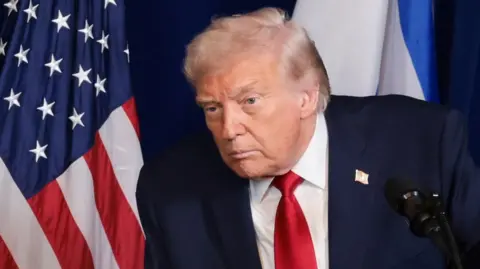
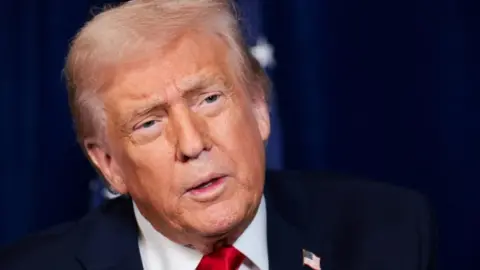
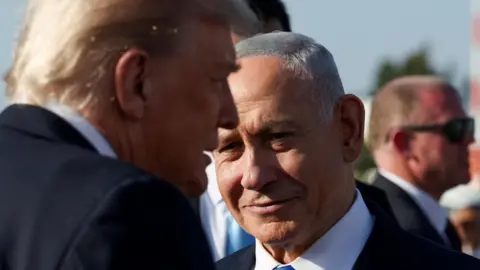
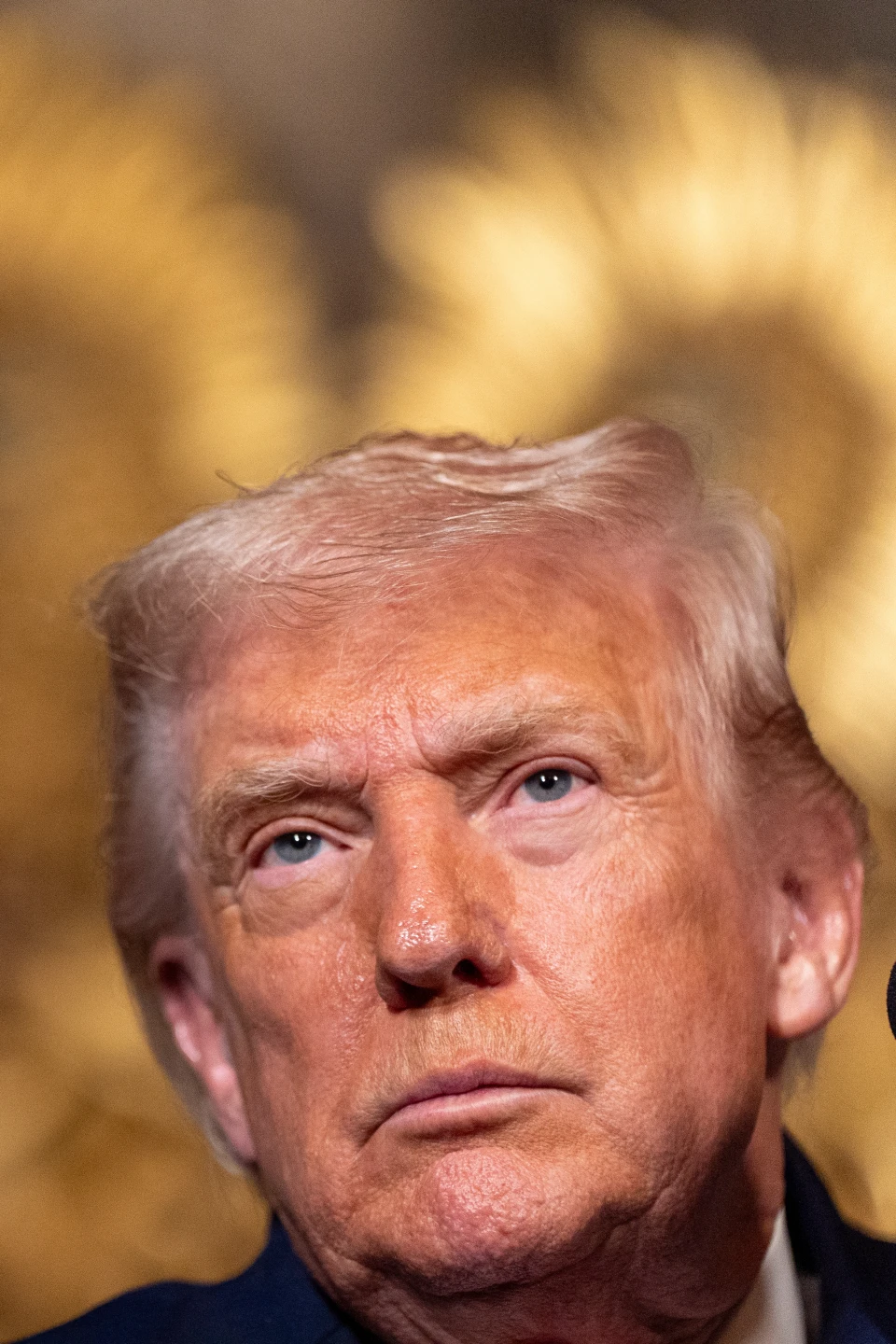
President Donald Trump had previously reinitiated a 'maximum pressure' strategy against Iran aimed at ceasing the nation’s development of nuclear arms. This strategy witnessed U.S. military action against Iranian enrichment facilities following escalated tensions between Iran and Israel.
During talks in Florida this week, Trump cautioned Iran that further military actions could be undertaken should the nation attempt to resume its nuclear program, signaling a continued stance against Iranian military capabilities.
John K. Hurley, Treasury’s Undersecretary for Terrorism and Financial Intelligence, stated, “Treasury is holding Iran and Venezuela accountable for their aggressive and reckless proliferation of deadly weapons around the world. We will continue to take swift action to deprive those who enable Iran’s military-industrial complex access to the U.S. financial system.”
In response to ongoing concerns regarding the nature of Iran's armed capabilities, State Department spokesman Tommy Pigott remarked that Iran's conventional arms dealings with Venezuela represent a direct threat to U.S. interests within the region.