The number of executions in Iran in 2025 has more than doubled compared to the amount which took place across the country in 2024.
Norwegian-based Iran Human Rights (IHR) group reported to the BBC that it had verified at least 1,500 executions up until the start of December, indicating a much larger total since that time.
Last year, IHR was able to verify 975 executions; however, Iranian authorities typically do not disclose official figures, leaving the exact count ambiguous.
The analysis aligns with other monitoring organizations’ observations, reinforcing the notion of a significant annual increase.
Iran's government has historically defended its use of the death penalty, claiming it is reserved for the most severe crimes.
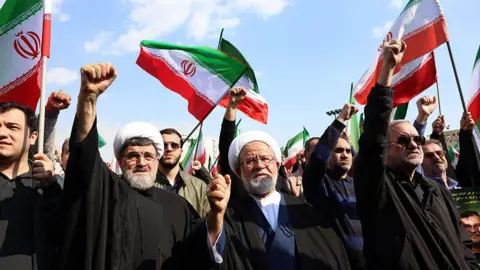
Prior to the upheaval of protests that erupted in 2022—following the death of Kurdish woman Mahsa Amini in police custody—execution numbers were already rising.
The demonstrations posed one of the largest challenges to the legitimacy of Iran's theocratic rule in years. In reaction, authorities intensified execution rates from around 520 in 2022 to 832 in the subsequent year, according to IHR’s verified figures.
Notably, while some executions have been attributed to protesters or alleged spies, 99% have been for murder or drug offenses, a statistic that remains consistent.
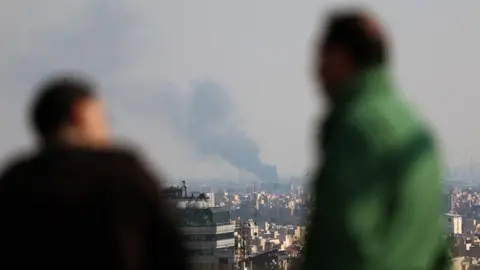
Activists argue that such escalated execution rates are employed by the regime to instill fear within the populace during periods of perceived threats. Reports of heightened execution activity coincide with recent military conflicts, including a 12-day war with Israel in June and setbacks faced by Iran's proxy forces in the region.