U.S.-Iran Memorandum: Ceasefire Tied to Unfinished Work
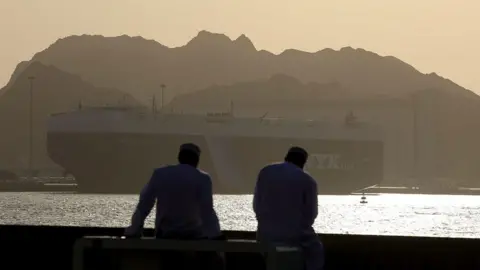
A U.S. and Iran memorandum of understanding (MOU) announced on June 9 formally reopens the Strait of Hormuz and signals a pause in hostilities. The document establishes a 60‑day timeframe for the next round of talks, after a scheduled signing that is set to take place on Friday.
What the MOU Covers
The piece of paper confirms that Iran will downblend its stockpile of highly enriched uranium under International Atomic Energy Agency oversight — a move that officials called a significant concession. No clause, however, bars Iran from developing or redistributing nuclear weapons outright, which was a core element Trump pledged would be secured during his presidency.
US officials say the text leaves openings for a future settlement that could eventually involve payments to Iran as part of a broader reconstruction plan. The current wording stops short of obligating the United States to make any direct financial contribution, a stance that has attracted criticism from both hawks and anti‑war advocates in the United States.
Missing Topics
Alongside uranium, key issues are absent or sparsely treated. The MOU terminates a ceasefire with Hezbollah but does not detail steps that would pressure Iran to cut its support for that group and other regional proxies. Iran’s missile programme, a vital concern for both Israel and American officials, is only mentioned in passing, with no concrete commitments on reductions or verification measures.
Neither the text outlines a path for economic or political reconstruction beyond a vague reference to “at least $300 billion” earmarked for national rebuilding. Such financial wording is open for interpretation and could be revisited in later, longer‑term negotiations.
Trump’s Narrative
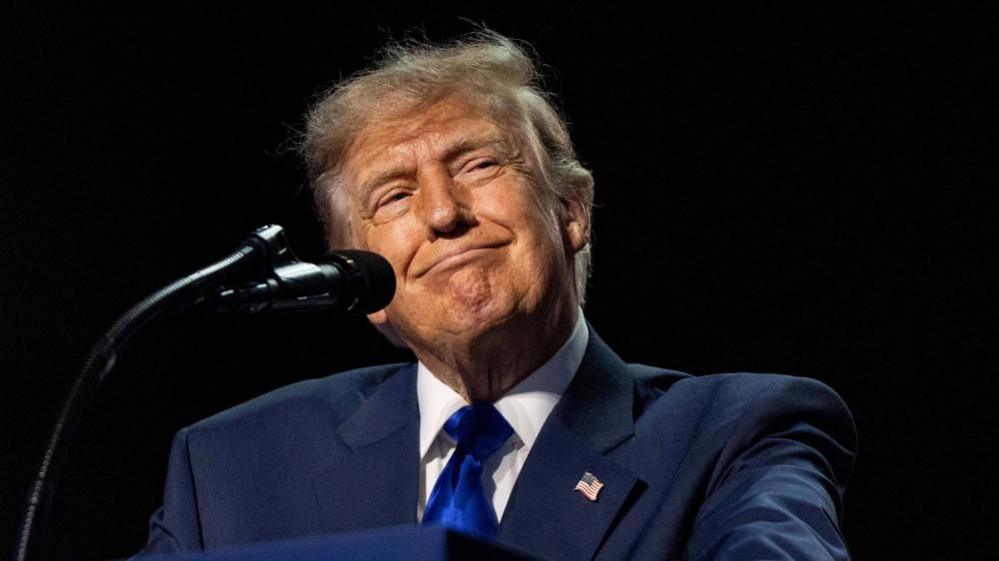
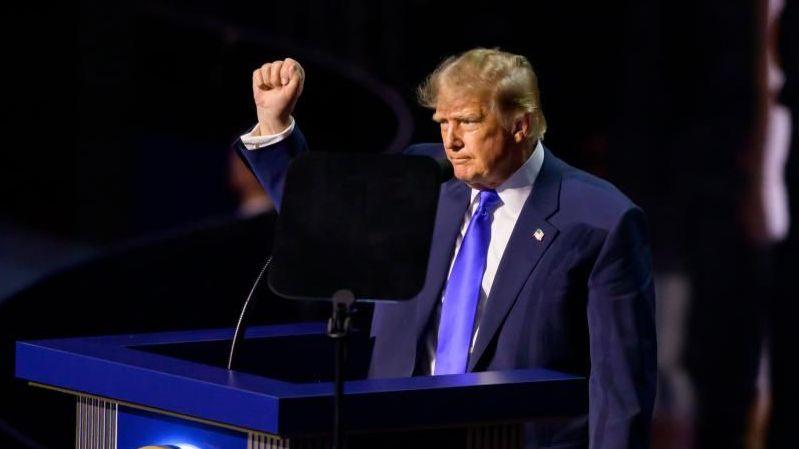
President Trump described the MOU as a major win and touted it as “better than the Obama deal.” He repeatedly linked the absence of a money transfer to his declared hard‑line stance toward Iran, contrasting sharply with the $1.7 billion paid under the 2016 arrangement.
During a press briefing at the G7 summit, Trump emphasized that if the 60‑day deadline fails to produce a final settlement, the United States would resume “bombing” activities. The urgency reflected by the timeline indicates how both administrations see this as a fragile step toward possibly a lasting peace.
Looking Ahead
The agreement provides a springboard for deeper talks but also signals low optimism: the document explicitly allows the 60‑day period to be extended if agreement is not reached. Scholars warn that the gaps may stall further progress, putting the fate of the Gulf's security and regional stability, especially in the light of ongoing conflicts in Syria, Lebanon, and Yemen, into question.
For political observers, the MOU underlines the US’s strategic calculus: a tentative ceasefire that preserves the ability to reengage militarily if negotiations stall, while keeping diplomatic carrots for possible economic reconciliation.