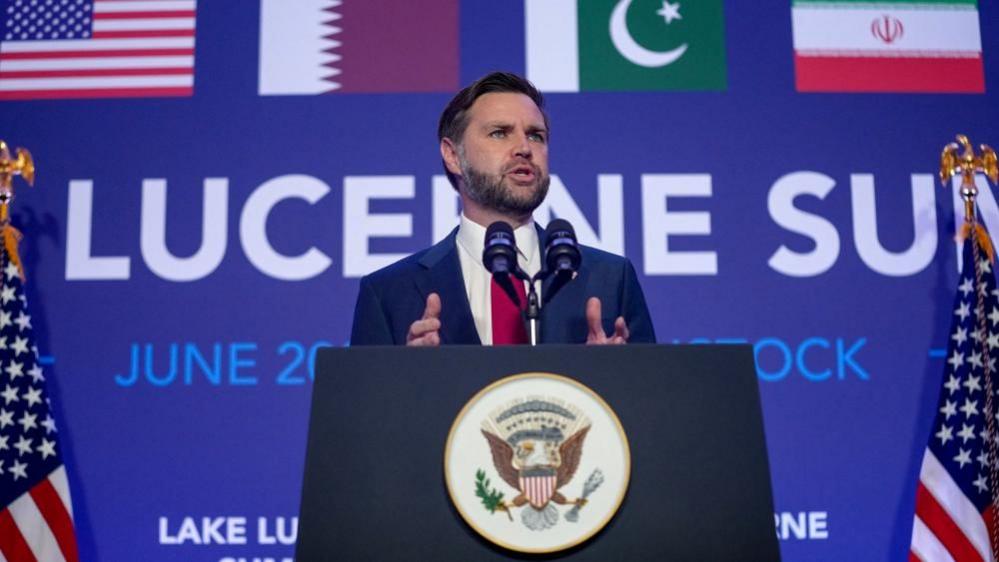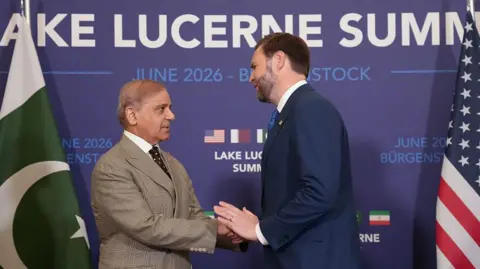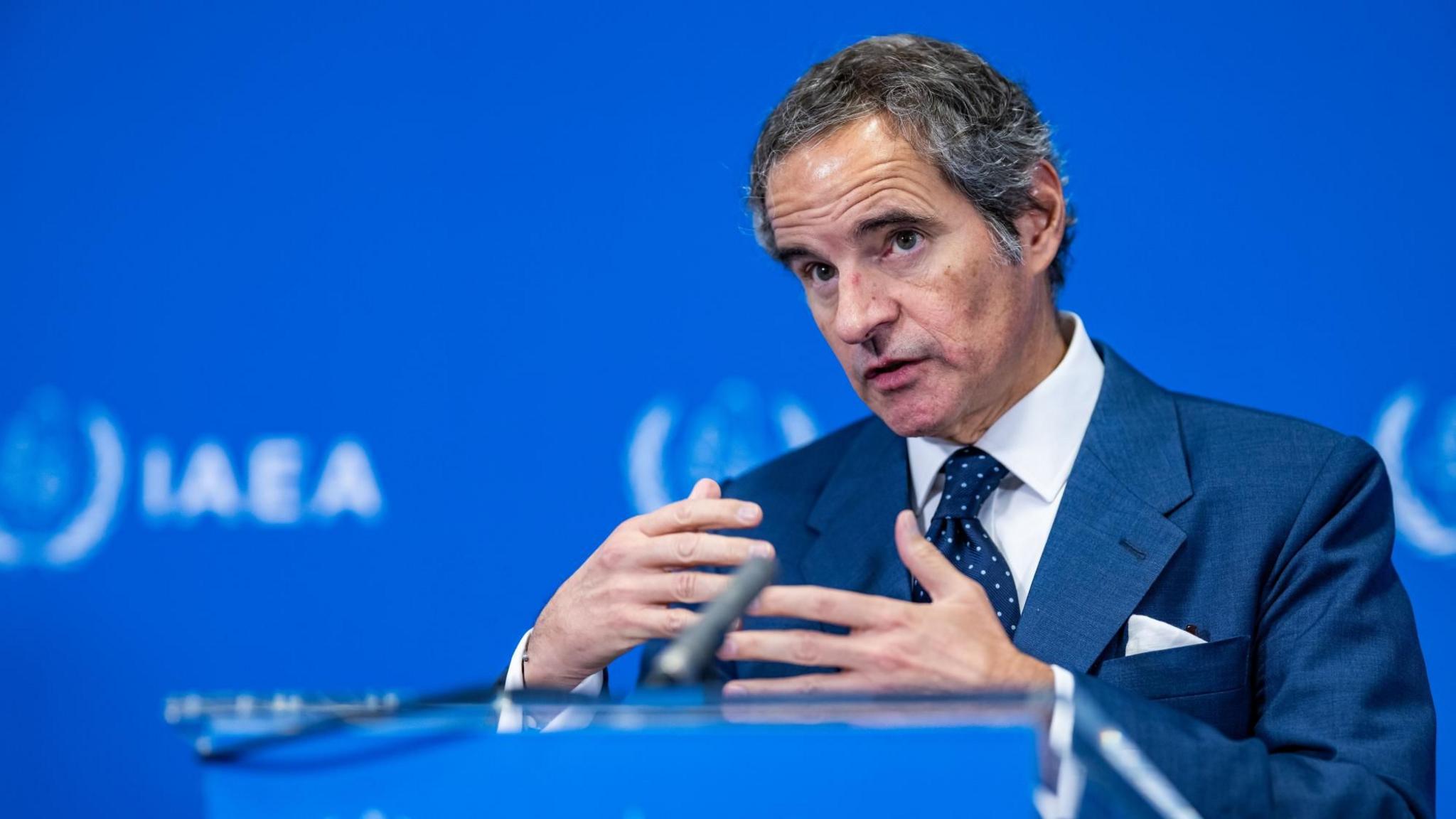
On 24 June 2026 the head of the International Atomic Energy Agency (IAEA), Rafael Grossi, told reporters in Japan that IAEA inspectors would be dispatched to Iranian sites under the terms of a new peace treaty negotiated with the United States. Grossi said the agency was working on dates, procedures and locations for the inspections, stressing that the plan follows a memorandum of understanding that now explicitly requires the dilution of Iran’s highly enriched uranium to be supervised by the IAEA.
Iran’s deputy foreign minister, Kazem Gharibabadi, cautioned that any access to damaged nuclear facilities would only be achieved under the framework of a final U.S.–Iran agreement and that sanctions would need to be lifted first. He described the West’s insistence on inspections as a political statement rather than a tangible policy move.
Meanwhile, U.S. officials reiterated their commitment to safeguarding Gulf allies. US Secretary of State Marco Rubio, speaking in Kuwait City, said the United States would “not agree to anything that would undermine the security of our regional partners.” He added that the U.S. remains open to a genuine deal if Iran cooperates fully, but that the president will preserve options otherwise. The U.S. and Iran have also committed to negotiating a final agreement within 60 days of signing the preliminary memorandum, which includes a mechanism for on‑site down‑blending of enriched material under IAEA supervision.
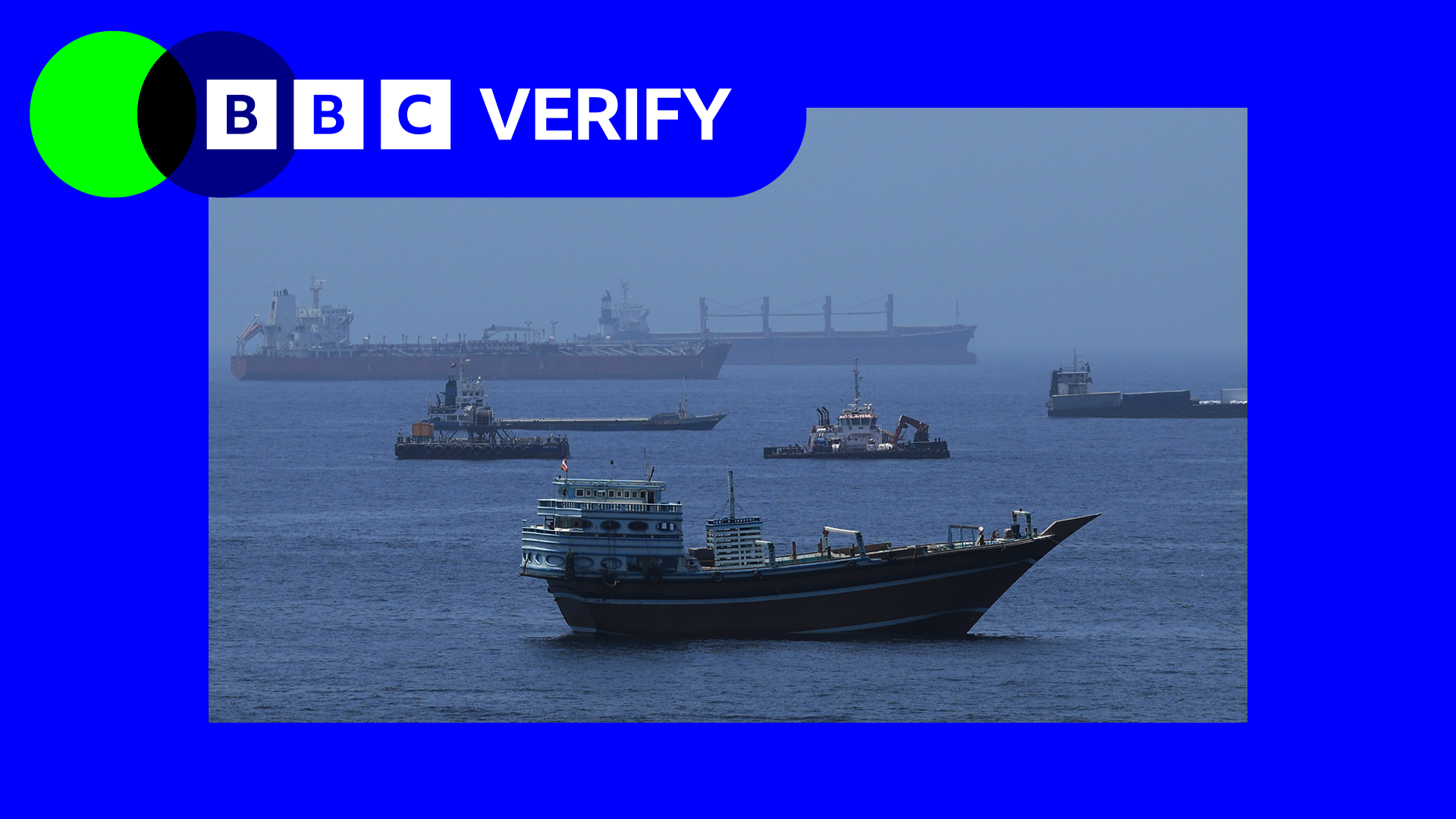
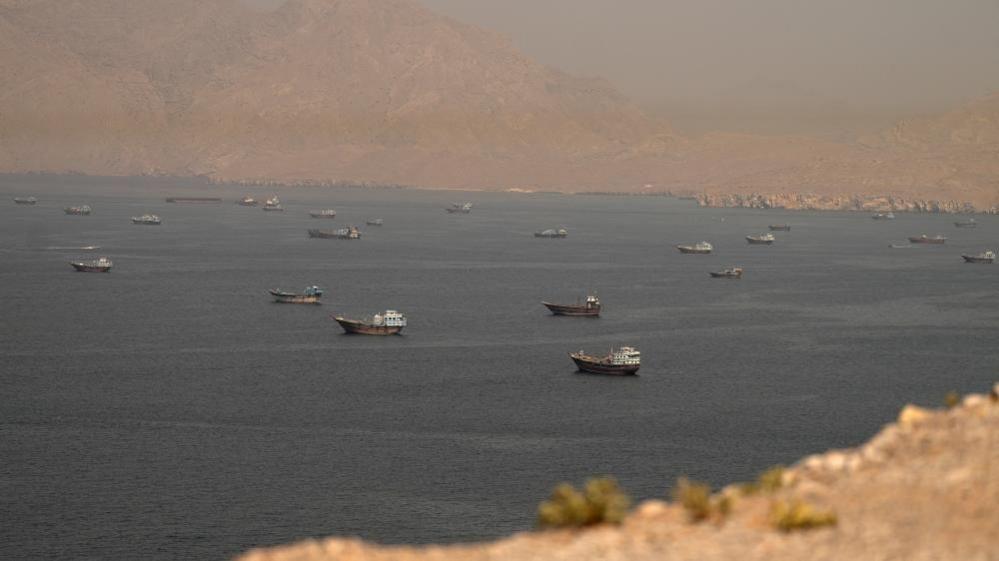
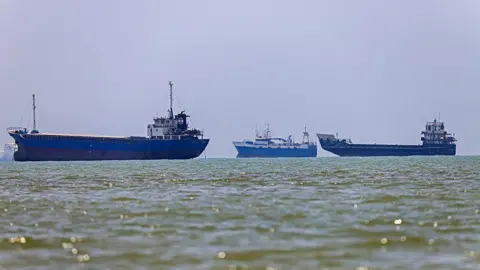
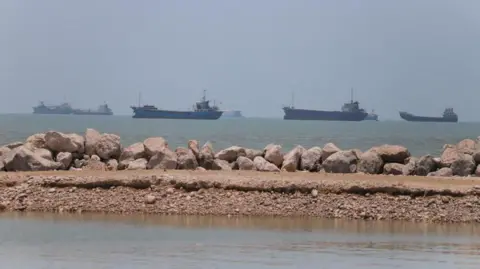
The treaty also contains provisions allowing shipping through the Strait of Hormuz while the U.S. lifts a naval blockade on Iranian ports, a move that has already seen a few ships transit under a ceasefire scheme to evacuate sailors displaced by the recent U.S.–Israeli‑Iranian conflict. Oil markets reacted skeptically, with Brent crude falling below US$ 75 a barrel, its lowest level since the war began.
Background to the agreement is the 2015 Joint Comprehensive Plan of Action, which Iran accepted in return for easing economic sanctions. The U.S., under president Donald Trump, withdrew from that accord in 2018, reinstating sanctions that Iran has been hitting in the past few years. The current war‑related tumult has heightened the urgency for a resolution. As Grossi noted, the IAEA’s recent report confirmed that inspectors had visited the Bushehr nuclear power plant earlier this month, but had not yet entered the most sensitive facilities damaged during the recent air strikes.
Enriched uranium held by Iran, enriched up to 60% purity, is considered near weapons‑grade. The 440 kg stockpile, located in underground tunnels near Isfahan, could theoretically be converted to weapons if re‑enriched. Iran maintains that its nuclear program is purely peaceful and denies any intent to develop nuclear weapons.