US Refugee Admissions Report: South Africans Dominate Numbers Since October
A recent report reveals that the majority of refugees admitted to the US since October have come from South Africa, raising questions about the implications of shifting immigration policies under former President Trump.
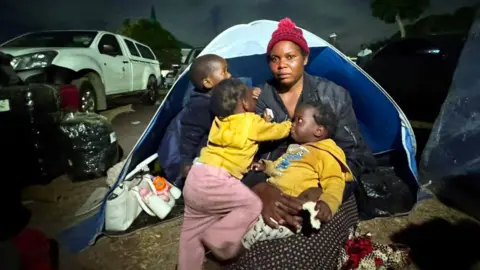
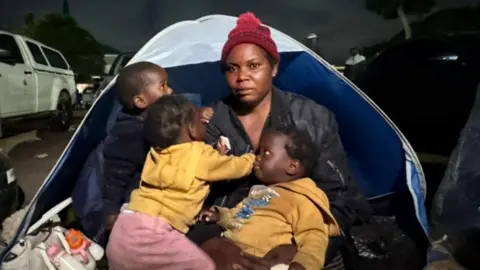
According to data from the Refugee Processing Center, from October 2025 to the present, a total of 4,499 refugees have been resettled in the United States. All except three of these refugees hailed from South Africa, with the remaining three originating from Afghanistan.
The change in US refugee admission under Trump is marked by a significant shift in the composition of admitted refugees. In the last fiscal year of the Biden administration, which began in October 2023, 125,000 people were accepted from various countries, emphasizing a more diversified approach to refugee resettlement.
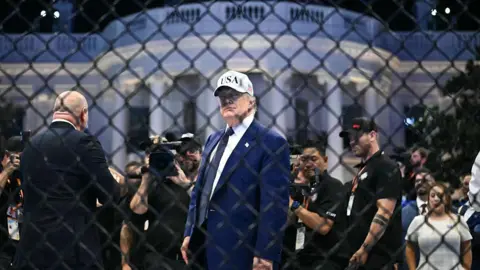
Last year, Trump's administration halted all refugee admissions but made provisions for Afrikaners, a minority group in South Africa, whom he claimed were facing persecution. This characterization was met with fierce objection from South African officials who argued against the notion of widespread discrimination based on race.
In his statements, Trump justified the prioritization of Afrikaner refugees as a measure to enhance national security and public safety, asserting that it would help protect victims of discrimination...
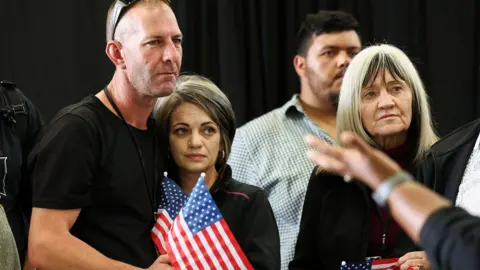
The first group of 68 South African refugees arrived in the US in May, and numbers have steadily increased throughout the year, with 2,848 new arrivals in just February and March alone. Currently, Texas has the highest concentration of these refugees, housing about 543 individuals.
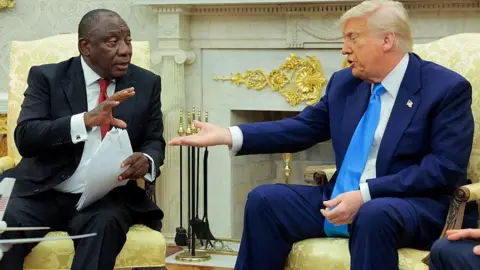
Amid these developments, diplomatic tensions between Washington and Pretoria have intensified, especially following public comments from Trump that suggested white farmers in South Africa were victims of 'genocide.' These assertions were vehemently refuted by South African President Cyril Ramaphosa, who emphasized that the majority of farmers in South Africa are committed to staying and thriving in their homeland.
In October, the South African government voiced its concerns regarding the US's emphasis on white Afrikaner refugees. It highlighted an open letter signed by prominent Afrikaners who rejected the narrative of victimization and deemed the relocation plan as inherently biased.
This cautious reception of the refugee admissions scheme reflects the complexity of socio-political dynamics both within South Africa and in its relationship with the US. The ongoing discourse surrounding race, identity, and international relations continues to evolve as this refugee policy unfolds.