US Sanctions Hammer Cuba’s Tourism Sector
Foreign visitors to Cuba have plummeted, with statistics from the national agency Onei showing fewer than 360,000 international tourists recorded in the first five months of 2026—a 58.4 % drop relative to the same period last year.
The decline follows a concerted U.S. effort to pressure the Cuban regime, focusing on the tourism market as a key revenue source. Airlines and hotel operators across the world have largely ceased operations on the island.
Air Canada announced an indefinite suspension of flights to Cuba, citing ongoing political and economic uncertainty. The carrier had already halted service in February because of an aviation‑fuel shortage that follows U.S. sanctions.
Canadian tourists represent the largest foreign group in recent years, making Air Canada’s withdrawal especially detrimental.
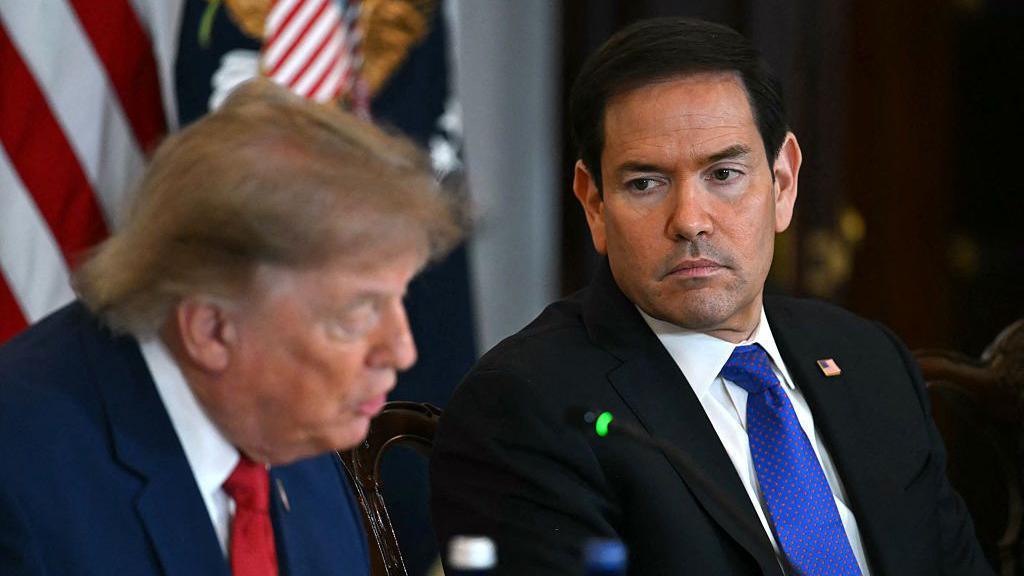
Spanish hotel chains Meliá and Iberostar halted operations at multiple properties after the U.S. set a 5 June deadline for companies to stop dealing with Gaesa, a military‑controlled conglomerate. U.S. Secretary of State Marco Rubio has branded Gaesa a “state within a state” that hoards profits and represses dissent.
Sanctions and an effective oil blockade are deepening shortages of fuel, medicine, and food. Cubadebate reported a drop in cancer‑survival rates among children from 85 % to 65 % since January, after President Trump threatened sanctions on providers of Cuban oil.
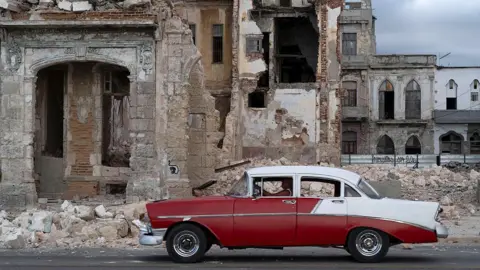
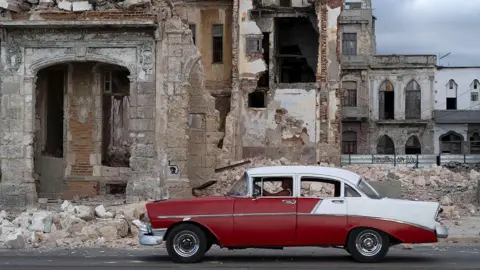
Fuel deficits have disrupted essential services, from rubbish collection to electricity, leading to piles of garbage and frequent blackouts. Power interruptions have sparked rare public protests, an event that typically faces harsh penalties in Cuba.
Even religious communities suffer: Catholic priests have been asked to ration communion wafers, whose production is constrained by limited electricity supply in the Havana monastery where they are baked.
The tightening of U.S. sanctions over the past months illustrates how economic pressure can ripple across sectors, leading to a sharp contraction of tourism, resource shortages, and social strain. While the Cuban government and its allies argue these measures demand transparency and justice, critics view them as punitive and disproportionate, underscoring a complex geopolitical quagmire that continues to unfold.