US Supreme Court Clears Tennessee Inmate’s Execution, Fueling Capital‑Punishment Debate

(Image source: Tennessee Department of Corrections)
The United States Supreme Court lifted a stay that had halted the execution of Christa Pike, a 50‑year‑old inmate on Tennessee’s death row. The killing was scheduled for Wednesday morning, but a decision by the Sixth Circuit Appeals Court to pause the execution was immediately challenged by the state’s attorney general, who petitioned the highest court to overrule the lower court’s order.
Pike was convicted in 1996 for the murder of 19‑year‑old Colleen Slemmer, a crime that involved a brutal beating and torture. With the Supreme Court’s intervention, Pike’s execution would become the first for a woman in Tennessee in more than 200 years, a fact that has heightened scrutiny from legal scholars, activists, and the general public.
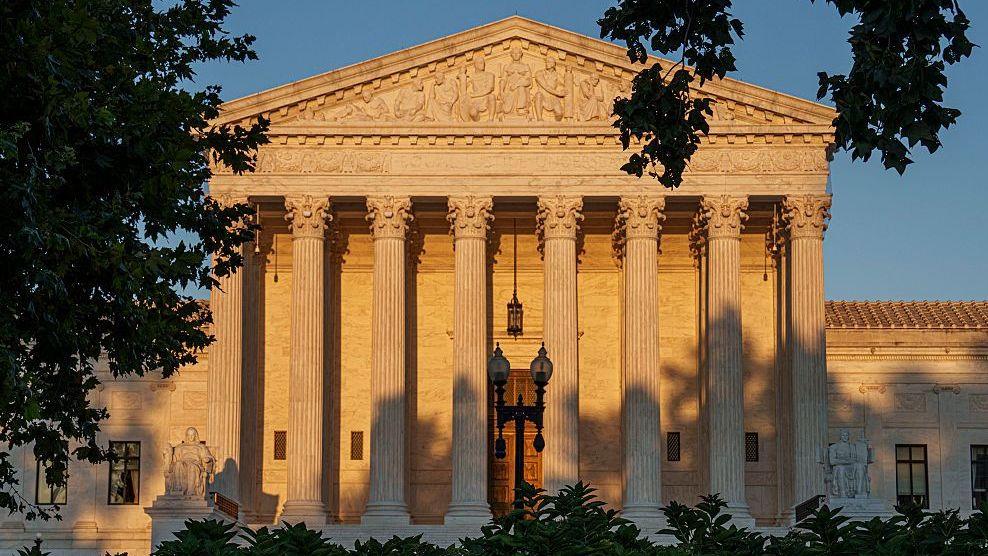
Justice Brett Kavanaugh granted the request to vacate the stay, but he did not provide a written explanation. The three liberal justices—Sonia Sotomayor, Elena Kagan, and Ketanji Brown Jackson—issued a dissenting opinion, warning that the state’s push to “expedite” the execution could override Pike’s “fundamental interest in her own life.” Sotomayor specifically highlighted the need for the courts to fully consider Pike’s pending legal challenges before a final decision is made.
The Supreme Court’s prompt decision came moments before the Tennessee execution order was set to expire at midnight. If the stay remained, the Tennessee Supreme Court would need to set a new execution date, a move that could further delay the administration of the death penalty.
Pike’s legal team argues that the state had previously claimed she lied about sexual abuse during her childhood, a claim that the court recently acknowledged she had in fact suffered. The dispute over these allegations underscores the complex legal and moral questions surrounding her conviction and ensuing sentence.
Meanwhile, Tennessee’s governor declined an earlier request for clemency, reinforcing the state’s resolve to proceed with the execution. The controversy ahead not only reflects a particular case but also signals the broader national conversation about the death penalty, gender, and the role of the Supreme Court in shaping criminal justice outcomes.