In a recent appeal, a leading U.S. health official urged citizens to get vaccinated against measles as outbreaks escalate across several states, risking the nation’s measles elimination status.
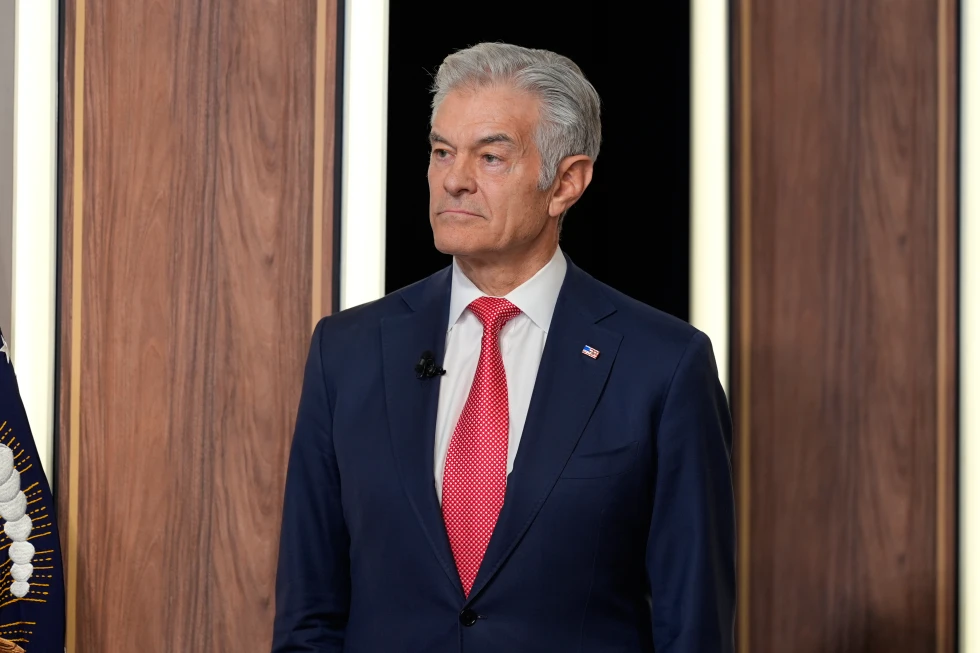
“Take the vaccine, please,” stated Dr. Mehmet Oz, Administrator of the Centers for Medicare and Medicaid Services. His message emphasizes a proactive response to a situation where rising distrust in vaccines is being linked to a resurgence of this preventable disease.
Oz defended updated federal vaccine recommendations amidst public skepticism regarding vaccine safety, alluding to misunderstandings perpetuated by prominent figures like Robert F. Kennedy Jr., who has a history of criticizing vaccination policies.
“Not all illnesses are equally dangerous and not all people are equally susceptible to those illnesses,” Oz remarked during an interview on CNN. “But measles is one you should get your vaccine,” directing his comments towards the urgency of vaccination against this highly contagious virus.
Amidst these concerns, reports indicate that outbreak cases in states like South Carolina are surpassing previous years, prompting health authorities to warn the public on the necessity of vaccinations, particularly for children who are more susceptible to complications from measles.
Oz's assurance that the Medicare and Medicaid programs will continue to cover the measles vaccine reflects a commitment to ensure accessibility amidst concerning vaccination trends.
Despite strong support for vaccinations, ongoing debates persist about the long-term effects of vaccine recommendations, particularly under the scrutiny of public health policies shaped during the pandemic. Experts continue to call out the disconcerting rise in vaccine exemptions, noting a significant drop in childhood vaccinations and the corresponding uptick in infectious diseases such as measles.
Oz reaffirmed, “There will never be a barrier to Americans getting access to the measles vaccine. And it is part of the core schedule.” This aligns with a broader appeal for restoring public trust in health systems following the volatility experienced during the COVID-19 pandemic.
With vaccine skepticism intersecting with political discourse, health officials are navigating a complex landscape in reinforcing the importance of vaccinations while addressing the roots of misinformation that challenge public health directives.