A bitter dispute pitting Hungary and Slovakia against Ukraine is holding up a crucial €90bn (£77.95bn) EU loan to Ukraine.
No oil has flowed through the Druzhba (Friendship) pipeline from Russia to Hungary and Slovakia via Ukraine since the Brody oil hub was damaged in a Russian attack on January 27.
While Ukraine argues that it will need six more weeks to repair the damage and restore the oil flow, Budapest accuses Kyiv of stalling as revenge for Hungary's pro-Russian stance.
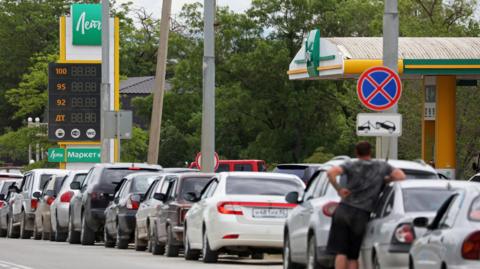
The dispute illustrates how a couple of countries can impede EU decision-making, while highlighting Hungary and Slovakia's fuel problems after resisting the shift away from Russian oil since 2022.
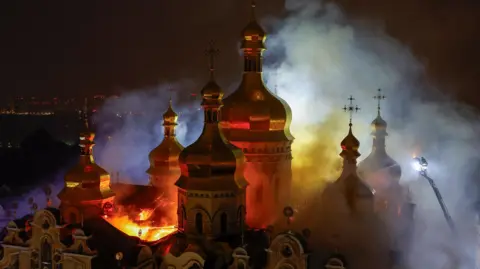
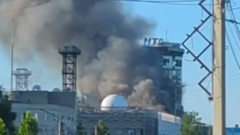
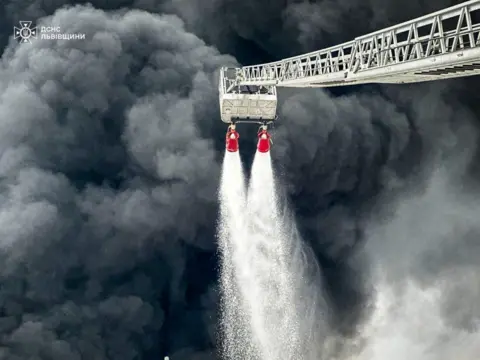
The Brody pumping station is crucial for transporting Russian oil to Hungary and Slovakia, and satellite images indicate severe damage from the January attack, including a key storage tank that caught fire.
The Ukrainian government has stated it lacks the resources to expedite the repair process, emphasizing that the ongoing war complicates infrastructure restoration efforts.
In response, the EU has offered technical support and funding for repairs, which Ukraine has accepted. However, President Volodymyr Zelensky has expressed reluctance to restore the pipeline due to its association with Russian oil.
Disputes have escalated politically, with Hungary's Prime Minister Viktor Orban accusing Ukraine of using the situation for political gain ahead of upcoming elections, asserting the pipeline's integrity based on assessments from the Hungarian energy company MOL.
While Hungary has found alternative oil sources, the lack of ability to process non-Russian oil remains a challenge. The situation continues to evolve as both domestic political and international relations play critical roles in the unfolding energy crisis.