In brief
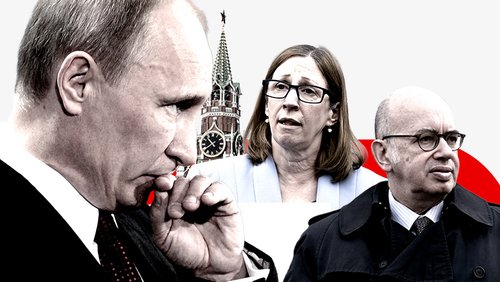
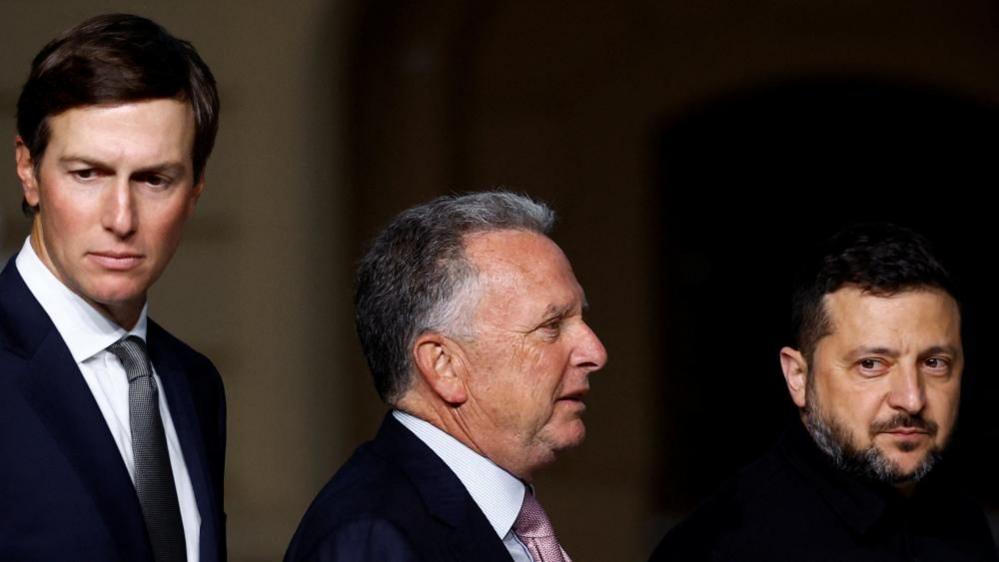
In Kyiv an international delegation including U.S. special envoy Steve Witkoff and Jared Kushner met with President Volodymyr Zelensky and Russian President Vladimir Putin in separate settings. The meetings were marked by powerful symbols such as the sight of U.S. ambassadors stepping onto Ukrainian soil for the first time since the full‑scale invasion and a greeting at Saint Sophia Cathedral, a historic site that had only moments earlier been struck by drone attacks from Russian forces. Despite brief talks that praised the potential to resume earlier trilateral discussions, fundamental disputes persist. Ukraine insists on comprehensive security guarantees, a strong army, and refuses to cede contested territory in Donbas, while Russia demands territorial concessions, NATO‑neutrality, and a reduced military size. With the region set for a harsh winter, analysts see limited prospects for a swift settlement, though some experts warn of a possible pause in hostilities during the coming spring.
Key Moments of the Meeting
The U.S. envoys arrived in Ukraine on a train rather than a flight, a practical adjustment for safety in the face of ongoing drone activity.
Holding a joint press conference, President Zelensky met with the U.S. representatives inside Saint Sophia Cathedral – an ancient landmark that had witnessed recent strikes on the country’s security headquarters.
Dialogue under the Surface
Zelensky stressed the need for “strong and clear” security guarantees to safeguard the nation’s future, while emphasizing his unwillingness to surrender Donbas territory.
The Russian side reiterated its demand for territorial concessions, NATO‑neutrality, and a smaller Ukrainian army, citing this as essential for resolving the conflict.
Possible Path Forward
Witkoff expressed optimism that steps could be taken toward a settlement, yet he accepted that both sides must make compromises – a challenging prospect in the current climate.
A brief pause in air strikes was agreed in Kyiv, offering only a momentary reprieve for the capital’s residents, with experts warning that the hiatus is unlikely to be long‑lasting.