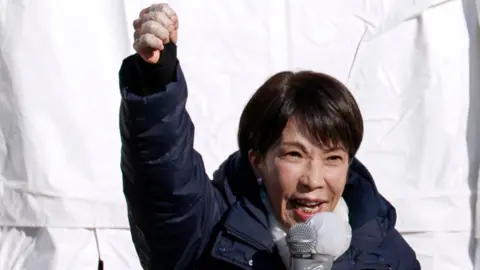
Japan's First Female Premier Bets on Popularity in High-Stakes Snap Election
Japan heads to the polls again on Sunday for its second general election in as many years. The snap vote has caught the ruling party, the opposition, and much of the electorate off guard.
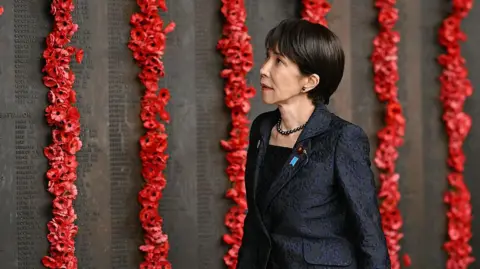
Sanae Takaichi, Japan's first female prime minister, is betting on her personal popularity, hoping to succeed where her party failed just last year: delivering a clear public mandate for the long-ruling but deeply unpopular Liberal Democratic Party (LDP).
This election is a significant gamble. Previous leader Shigeru Ishiba faced a crushing defeat after calling a snap election. Now, voters will decide whether Takaichi's popularity will turn the tide.
According to various media polls, Takaichi's approval ratings are significantly higher than those of her predecessors, an indicator that has traditionally prompted leaders to call elections.
Takaichi's approach since her October appointment has focused on high public visibility rather than policy achievements, reinforcing her image as a dynamic and engaged politician. With numerous high-profile interactions—including meetings with world leaders—she has crafted an image markedly distinct from her predecessors.
However, her strategy is not devoid of risk. The timing has drawn criticism from opposition parties, who argue it delays essential governance, particularly regarding anti-inflation measures.
Concerns over economic stability loom large as inflation persists—especially with spikes in essential items like rice. These pressures affect public perception of the LDP, as voters reflect on surging living costs against the backdrop of Takaichi's promises of tax cuts and public spending. Analysts suggest that if elections are held on her popularity rather than her party's policy, the LDP may face a backlash similar to past years.
The geopolitical landscape complicates matters further. Takaichi's assertive stance on defense issues and China raises eyebrows domestically—and among international observers—especially as Japan confronts a precarious diplomatic balance with its largest trading partner.
As the election date approaches, the collective sentiments about Takaichi's suitability as a leader, her party's past controversies, and election timing will converge to shape Japan's political landscape for years to come.