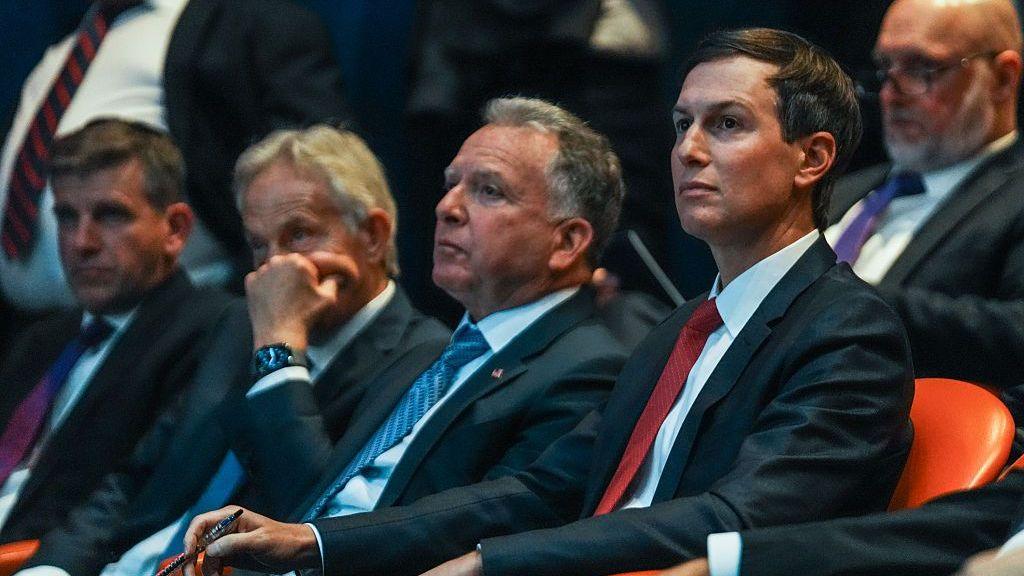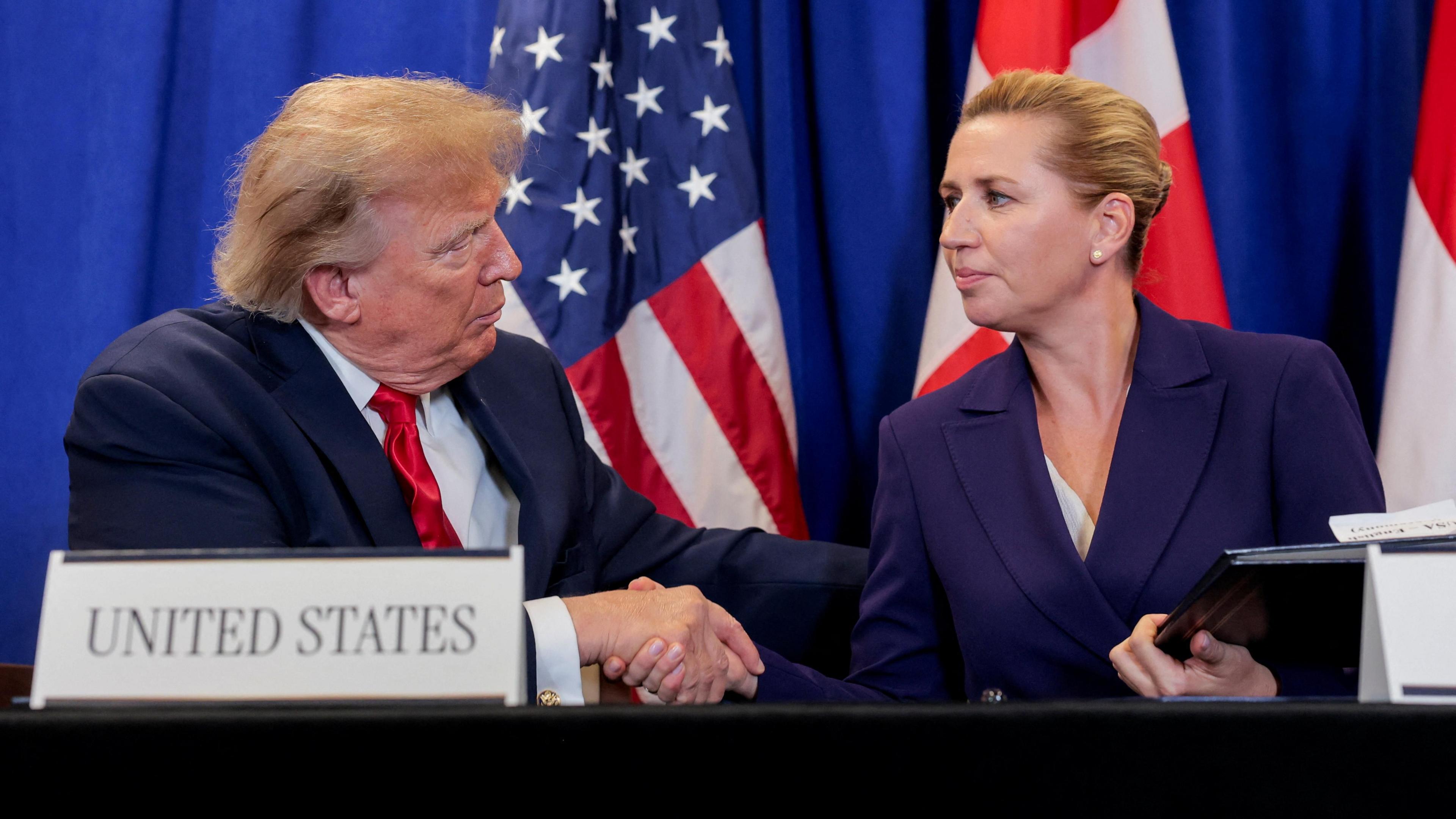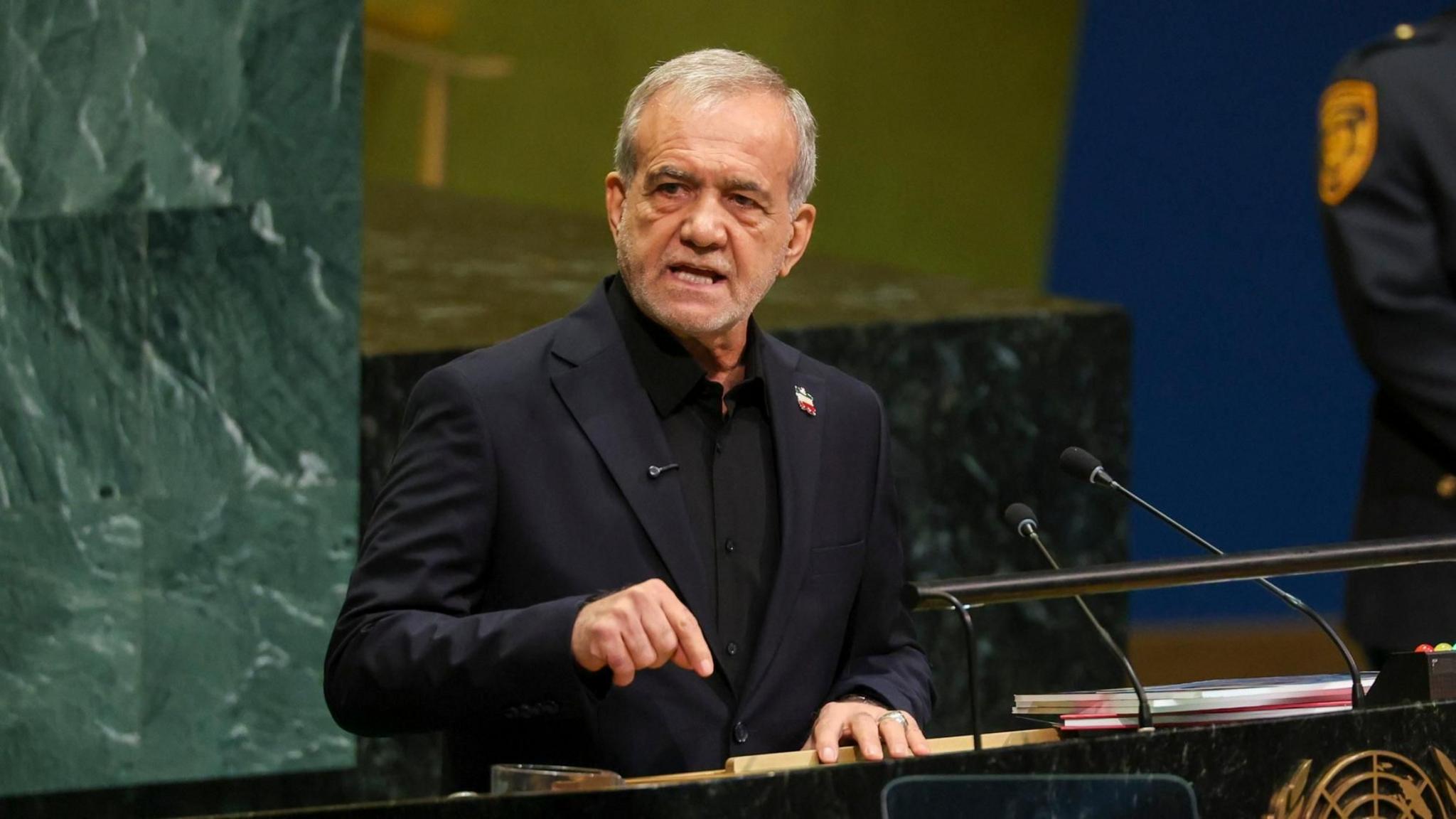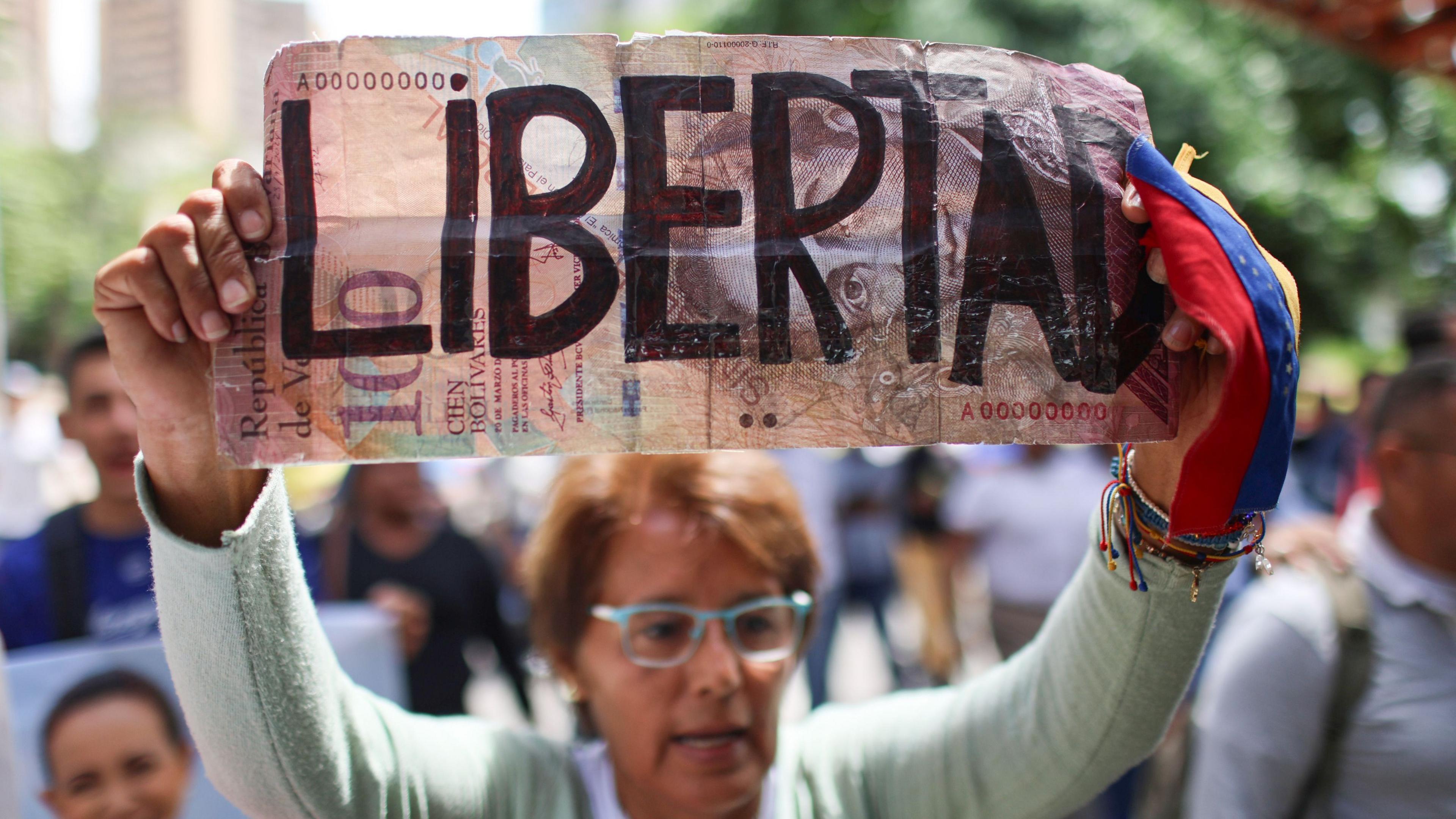
Following a meeting between interim President Delcy Rodriguez and US President Donald Trump at the United Nations, Venezuela’s authorities freed a stream of political prisoners, including former opposition figures.
The releases come amid a broader program that began after the 2024 seizure of Nicolás Maduro, but the pace has slowed since April when Rodriguez said the scheme was “coming to an end.”
At least 12 inmates—including Wilder Vasquez, sentenced in 2018 on allegations of plotting to kill Maduro—and others such as Miguel Castillo Cedeño and Frank Cabañas were freed from several detention centres, according to the rights group Foro Penal.
Human‑rights advocates argue the mass release is an attempt to quell dissent and its impact has been limited, citing that less than half of political prisoners have been freed so far.
Opposition voices criticize the government for both ending the release scheme and for backing Rodriguez over former opposition leader María Corina Machado, the former Vice‑President of oil company PDVSA who was barred from running in the 2024 elections.
Rodriguez has framed the releases as a gesture of goodwill and reconciliation, while the government maintains that dissidents are not jailed — a claim disputed by activists, who allege that imprisonment has been used to silence critics.
Meanwhile, some analysts in Washington see the diplomatic approach as a method to secure at least short‑term stability before any substantive electoral reforms are enacted.
The rapid development of political prisoner releases has reinvigorated calls for free elections, with activists demanding clearer timelines and international oversight to ensure that upcoming elections are truly democratic.