In brief
Teens who fled the twin 2026 quakes in Venezuela are caught again in a Colombian earthquake, testing their resilience and exposing the continuing humanitarian crisis between the two nations. The brothers, Deivi and Winder, lost family members and their home in Venezuela before relocating to Cali, where they faced another magnitude‑7.4 tremor days later. Their experience highlights the psychological toll of repeated natural disasters, the challenges of displacement, and the stark differences and similarities in emergency responses by Venezuelan and Colombian authorities. The story underscores the need for coordinated relief, mutual aid, and long‑term support for refugees evading escalating risks.
Teen Refugees in Venezuela Face New Disaster in Colombia
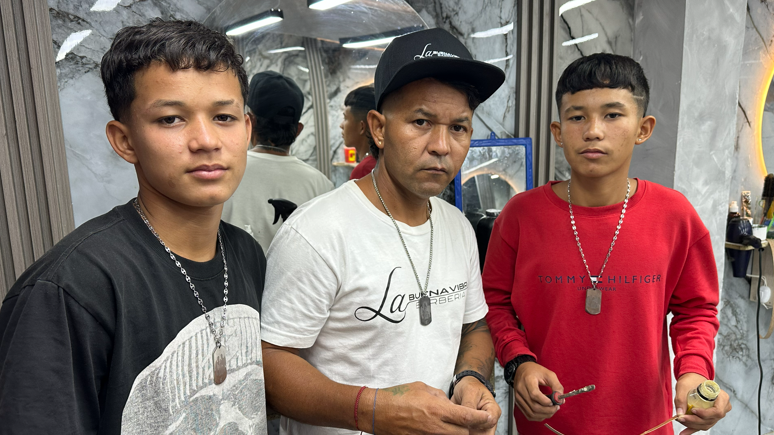
Two teenage brothers who survived the twin 2026 earthquakes in Venezuela are now exposed to a fresh tremor after moving to Cali at the end of June to escape the devastation in the Caribbean coast.
Deivi, 15, says that the earthquake still haunts him: “It feels like the ground is always shaking.” He and his older brother had already endured the course of the two strong quakes—magnitudes 7.2 and 7.5—that devastated the 12‑storey apartment in La Guaira, killing three family members including his mother. Their home was reduced to rubble; the brothers were left lost and buried with their final memories.
The family escaped to the north‑east outskirts of Cali, where their father Deivid worked. The brothers kept a low profile, sleeping in a modest low‑rise house while they waited for the missing relatives. Within three days, the Colombian seismic alert register listed a new earthquake of magnitude 7.4, striking the same region. Phoenix, the area now heavily damaged, was homes to many former Venezuelan refugees like Deivi and Winder.
The brothers described a terrifying stillness through their night's sleep, then a pounding that rattled their bones. The ground rumbled as if the same salt‑poured creaks had set again—however they were no longer “children” but adults forced into survival mode. While the Colombian government declared a state of emergency, aid agencies from both countries mobilised to rescue survivors and deliver supplies.
Repatriation and cross‑border assistance have become an emerging cooperation framework. Bilateral talks reached agreements to share early monitoring data, to coordinate search‑and‑rescue teams and to funnel humanitarian aid to displaced Venezuelan families. International organisations like the UN and Red Cross joined local agencies to increase medical support and mental‑health services for the many who suffered such trauma.
The story of Deivi and Winder illustrates that crisis does not respect a border. Political terms—“refuge” and “displacement”—are now accented by cultural memories: the brothers carry a sense of continuity with their home, while the Colombian city offers new perspectives on identity and belonging. That combined resilience, though battered, shows the human capacity to rebuild hope amid repeated loss.