WHO Report Reveals Seven Million Preventable Cancers Annually
A newly released report by the World Health Organization (WHO) posits that as many as seven million cancer cases could be prevented each year through lifestyle adjustments, vaccinations, and better public health policies. The report represents a first-of-its-kind global analysis which estimates that 37% of all cancers are linked to avoidable causes.
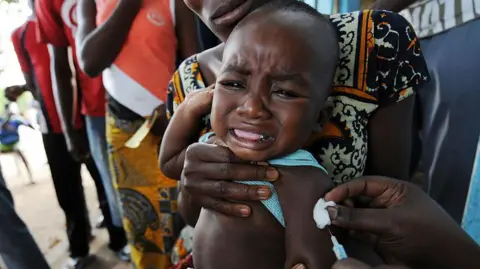
Many cancers can be traced back to infections, lifestyle choices, and environmental pollutants. For instance, cervical cancer, caused by human papillomavirus (HPV), can be prevented with vaccination. Similarly, various cancers linked to tobacco smoke are deemed preventable.
Dr. Isabelle Soerjomataram, a lead researcher, noted that while some cancers are inevitable due to genetic predispositions or aging, an astonishing 40% can actually be prevented. The study conducted by the International Agency for Research on Cancer analyzed 30 major risk factors across 185 countries, revealing that smoking, infections, and alcohol use rank as the primary risks.
Key contributors to the cancer burden include:
- 3.3 million cancers caused by smoking
- 2.3 million cancers from infections
- 700,000 cancers linked to alcohol consumption
The report also noted significant geographical differences in preventable cancer types. For instance, 45% of cancers in men are preventable compared to only 30% among women, largely linked to higher smoking rates in men. In regions like sub-Saharan Africa, infections constitute 80% of preventable cancers among women, showcasing a need for tailored health measures.
This landmark study underscores an urgent opportunity for global health initiatives to focus on cancer prevention, offering hope for transformative changes in cancer morbidity and mortality worldwide. As highlighted by Dr. Andre Ilbawi from WHO, initiatives aimed at reducing smoking and promoting vaccination against HPV have already shown promising results, paving the way for future preventive strategies.