In brief
On Wednesday, the EPA proposed to approve individual state plans for regulating ozone pollution, potentially rolling back the 'Good Neighbor' rule established to manage interstate air quality. Eight states—Alabama, Arizona, Kentucky, Minnesota, Mississippi, Nevada, New Mexico, and Tennessee—would be allowed to self-regulate under this initiative, a move criticized by environmentalists for potentially exacerbating pollution issues. The EPA argues that this approach promotes 'cooperative federalism,' while opponents fear it undermines crucial air quality protections.
WASHINGTON (AP) — The Trump administration, through the EPA, has made a significant shift towards revisiting regulations that govern smokestack emissions affecting neighboring states. The proposed changes could alter the enforcement of the 'Good Neighbor' rule which was established to mitigate the impact of air pollution from coal-fired power plants and industrial facilities across state lines.
The 'Good Neighbor' rule was previously upheld by the Supreme Court, which rejected efforts to enforce it in 2024, prompting the current administration to propose allowing eight states—Alabama, Arizona, Kentucky, Minnesota, Mississippi, Nevada, New Mexico, and Tennessee—to manage their air pollution standards independently. This proposal would signal an end to federal oversight previously deemed necessary under the Biden administration.
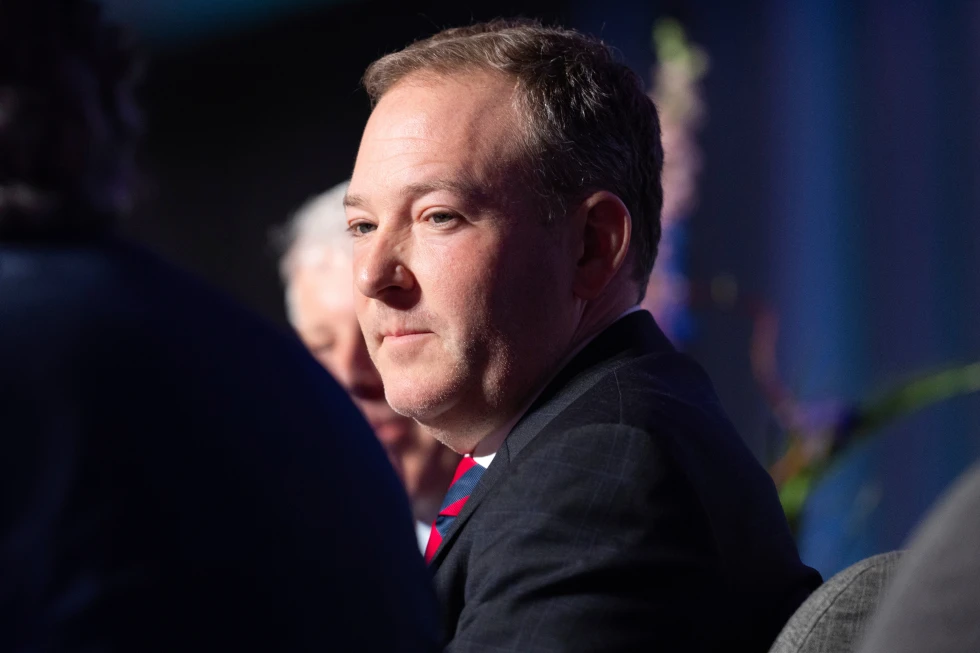
EPA Administrator Lee Zeldin emphasized that the initiative champions a form of 'cooperative federalism' aiming to empower states to determine their own paths toward cleaner air.
Critics, however, argue that this move could intensify pollution issues in downwind states, especially those heavily industrialized like Indiana and Ohio, affecting overall air quality in states such as Connecticut and Delaware. Zachary Fabish, a representative from the Sierra Club, condemned the proposal, stating it prioritizes support for 'dirty and expensive' coal plants at the expense of national clean air standards.
The EPA justifies its plans by claiming adequate data shows the states involved are currently compliant with National Ambient Air Quality Standards, indicating that imposing additional federal regulations may be unnecessary.
Environmental advocacy groups foresee dire consequences from this loosening of regulations, including increased public health risks and rising energy costs for Americans. EPA is expected to begin accepting public comments within the next month.