Yemen's future hangs in the balance as a dramatic turn of events in the south brings Saudi Arabia and the United Arab Emirates into unprecedented direct confrontation, threatening partition.
Both Gulf powers have intervened on behalf of Yemen's internationally recognized government in the country's long-running civil war, but a fracturing of their alliance has seen them backing different rival groups on the ground, one of whom is now pushing for independence.
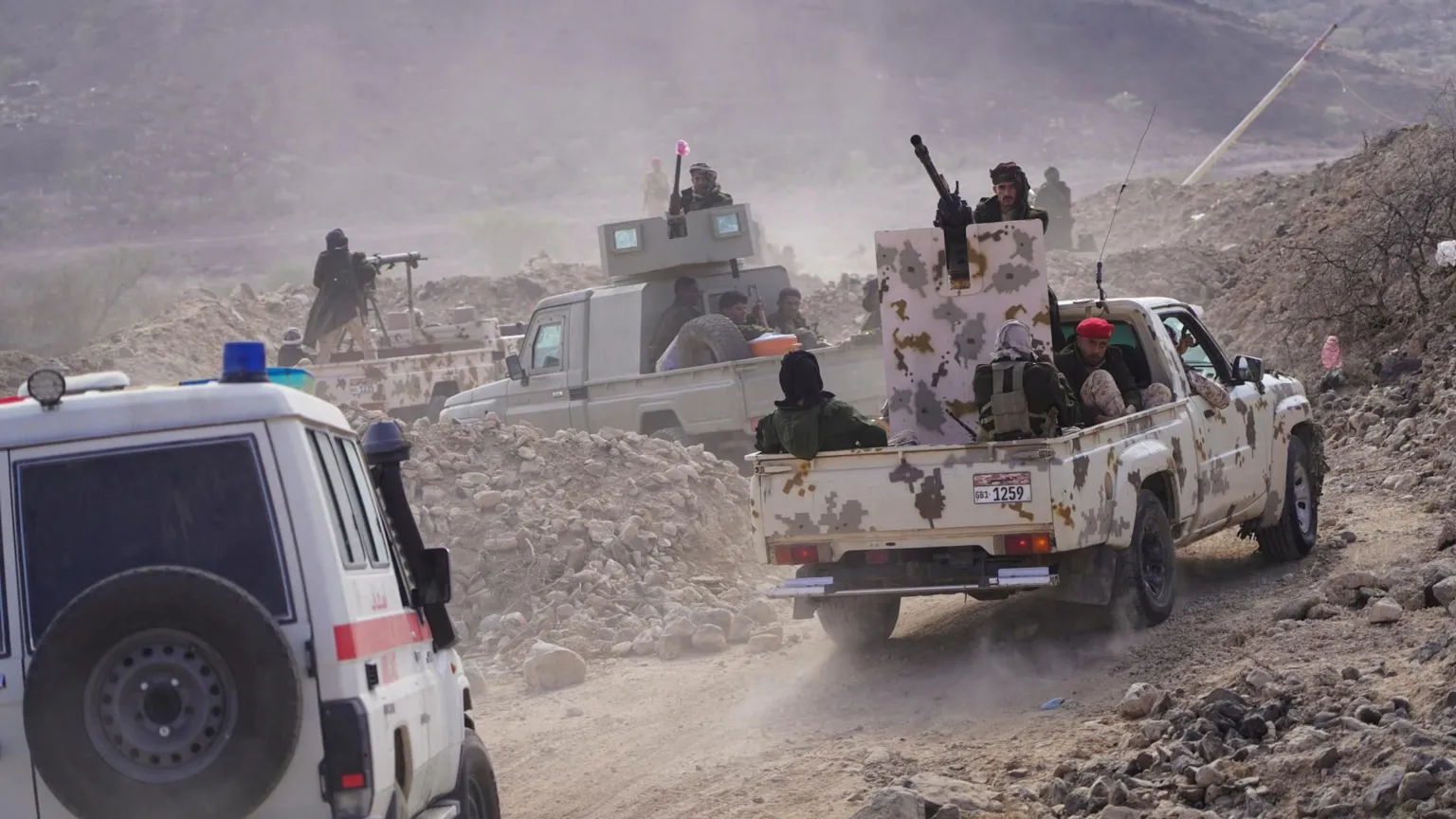
On Friday, the UAE-backed force declared that a war had begun, accusing Saudi-backed ground forces of launching an attack alongside air strikes by Saudi Arabia.
The conflict traces back to 2014 when the Iran-backed Houthi movement seized much of northern Yemen, including the capital, Sanaa. Since 2015, a coalition led by Saudi Arabia and the UAE has sought to restore the government but is now facing internal fractures threatening the coalition's unity.
The STC's military campaign is particularly concerning as it indicates a significant escalation, with the separatists eyeing control over the oil-rich Hadramawt province. Recent air strikes from the Saudi coalition have further fueled tensions, leading to casualties and raising fears of a wider conflict.
The UAE has recently announced a withdrawal of its forces from Yemen, albeit amidst accusations of its involvement in arms deliveries to the separatists, highlighting complex layers of loyalty and power dynamics at play.
These developments raise existential questions about the future of Yemen as families brace for the potential for increased violence. Humanitarian crises continue to mount amid the ongoing conflict, with millions requiring assistance as the specter of famine looms.