In brief
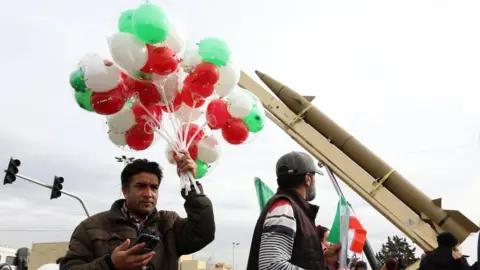
On the 47th anniversary of the Islamic Revolution, Tehran experienced both jubilant celebrations and fervent dissent. Despite the festive atmosphere marked by fireworks and chants honoring the revolution, shouts of 'death to the dictator' echoed through the streets, reflecting underlying frustration with the Iranian government due to economic challenges and recent violent crackdowns on protests. This duality highlights the tensions within the city as Iranians grapple with the realities of their social and political landscape.
Tehran, the capital of Iran, was alive with sound as the clocks struck nine, marking the beginning of celebrations for the 47th year of the Iranian Revolution. Fireworks illuminated the night, and the echoes of chants like 'God is greatest' filled the air from rooftops and windows.
However, this year's festivities were overshadowed by a palpable atmosphere of dissent, as cries for 'death to the dictator' emerged from the shadows, a stark contrast to the exuberance of the crowd. The echoes of last month’s protests, which faced unprecedented force from authorities, lingered heavily in the atmosphere.
This marks the first international media access to Iran since a stringent internet blackout largely stifled communication during recent civil disturbances, prompting widespread loss of life and a vow from the government of zero tolerance for dissenters.
The celebrations aimed to commemorate a historical turning point in Iran's history were met with mixed sentiments. As people filled streets adorned with decorations marking the 'ten days of dawn,' many expressed discontent with soaring prices and economic distress resulting from sanctions and governmental shortcomings.
In a powerful speech, President Masoud Pezeshkian acknowledged the economic strife while attributing blame to foreign influences, reflecting a narrative often used by Iranian officials. Yet, he also expressed a willingness to hear and respond to the voices of the people, marking an unusual openness among the leadership amid ongoing tensions.
The dichotomy of celebration and dissent during this pivotal anniversary underlines the challenges that the Iranian government faces as it grapples with both domestic unrest and international pressures. As the country stands on a defining precipice, the populace’s call for basic needs and political freedoms remains as strong as ever.