In brief
Activists marched in Santiago and key cities, joined by the Chango indigenous community and other local groups, to oppose the Andes Iron Dominga project. They sent an open letter to President Jose Antonio Kast demanding a transparent review and dialogue. The project—rejected three times for environmental shortcomings—raises fears for the vulnerable Humboldt penguin.
On 1 November, environmental groups and residents of the Coquimbo region assembled in Santiago and other Chilean cities to protest the Dominga mining and mega‑port project proposed by Andes Iron. The demonstrators aimed to draw national attention to the potential environmental damage the project could inflict upon the Humboldt Archipelago.
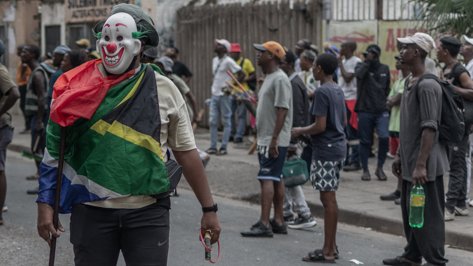
Protesters marched through traffic‑jammed streets of Santiago, drawing crowds of people who joined with rostrums urging caution and legal scrutiny. The demonstrators included representatives from artisanal fishing, tourism and agricultural sectors, as well as the Chango indigenous community whose traditional lands lie near the coastal zones targeted by the project.
Following the marches, the groups drafted an open letter addressed to President Jose Antonio Kast. They conveyed that the plan could be approved by an opaque, administrative “back‑door” process, undermining public participation and established environmental review mechanisms. The letter called the president to real dialogue and invited him to see firsthand the local initiatives that coexist in the region—such as artisanal fishing and nature‑based tourism—that the activists argue are compatible with conservation goals.
In the letter, the protesters demanded that any decision regarding Dominga respect all pending environmental, administrative and judicial proceedings. They urged officials to conduct a transparent evaluation and to enforce the existing legal frameworks designed to protect the region’s natural heritage.
Andes Iron’s Dominga proposal seeks to extract iron and copper while simultaneously building a mega‑port and a network of underground pipelines in La Higuera, the district that sits within the Coquimbo region. The plan foresees a massive infrastructure investment aimed at linking the Chilean interior with maritime trade routes, a development that has been critiqued for bypassing comprehensive environmental assessment.
The environmental group Greenpeace Chile highlighted that the project has already faced environmental clearance rejections three times. Those failures, the agency noted, stemmed from the proposal’s shortcomings, including insufficient assessments of the long‑term effects on marine ecosystems and on the terrestrial habitat.
Critics argue that the region is home to 80 percent of the Humboldt penguin population—a species currently on the brink of extinction. The project could disrupt the breeding grounds of the penguins by increasing sedimentation, altering water quality and fragmenting the coastal ecosystem that the birds rely on for foraging and nesting.
Beyond the ecological stakes, local communities cite socio‑economic concerns. The protests emphasize that fishing, tourism and traditional Chango livelihoods could be severely impacted by port construction, shoreline modification and large‑scale industrial operations that threaten the very nature that supports these sectors.
The public outcry echoes previous public consultations in which the Andes Iron proposal was rejected for not meeting environmental safeguards. Those rejections served as a warning that the authorities may overlook the built‑in risks of a project that could create irreversible damage to the archipelago and its dependent species.
Until a transparent review process is affirmed and a constructive dialogue is opened, the environmental movement remains determined to keep the protest momentum alive. The activists plan to maintain pressure on the administration and continue to lobby for a reassessment of the Dominga proposal that prioritizes ecological preservation and community participation.