In brief
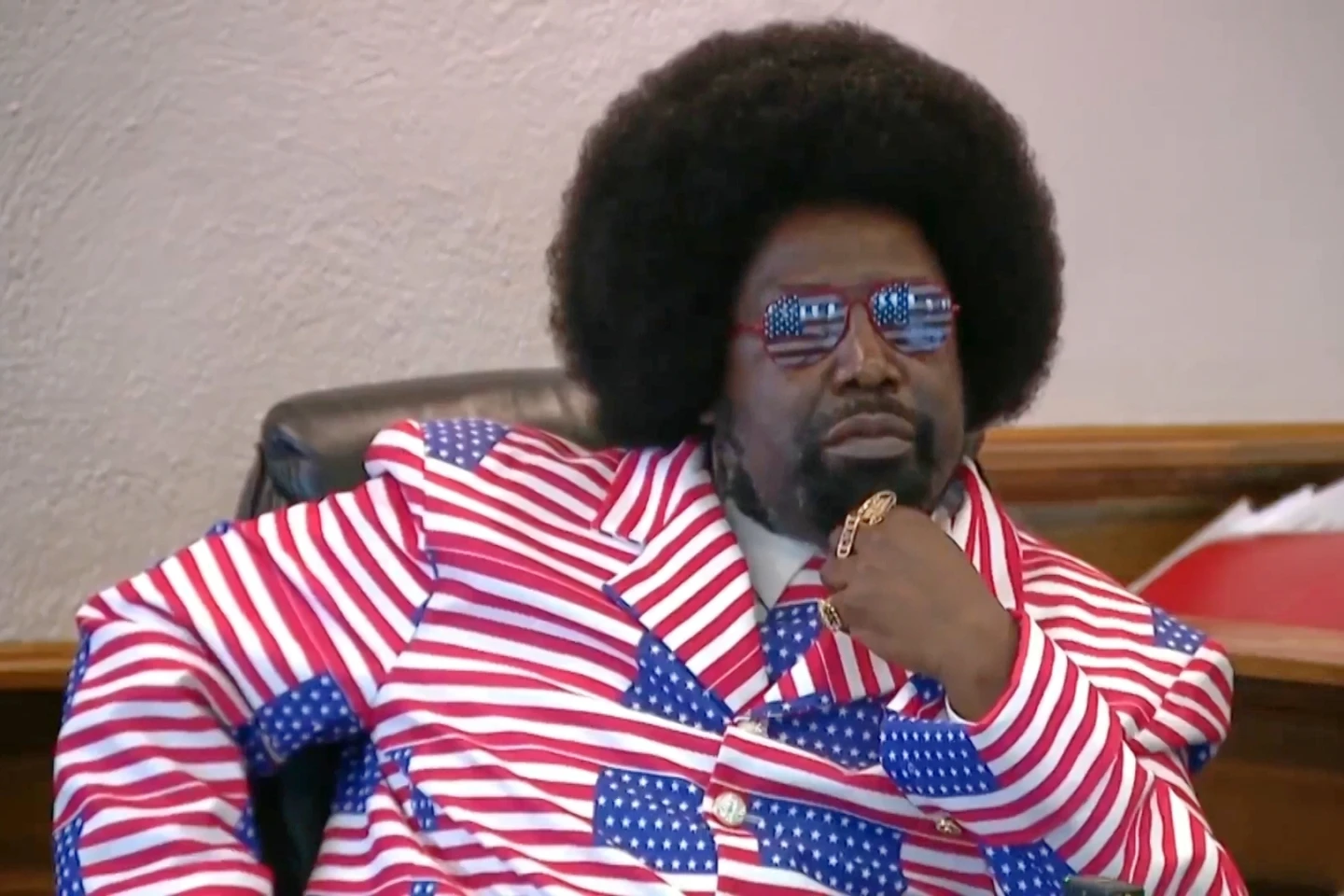
Afroman, whose real name is Joseph Foreman, celebrates a legal victory after a jury sided with him in a defamation lawsuit filed by seven sheriff’s deputies from Ohio. The case revolved around music videos where Afroman used home security footage to comedic effect, depicting the deputies during a controversial raid. The deputies sought nearly $4 million in damages, claiming the videos harassed them. In his defense, Afroman emphasized his right to free speech while criticizing the raid's handling. The outcome has sparked discussions about the limits of parody in artistic expressions directed at public figures.
The Grammy-nominated rapper Afroman, born Joseph Foreman, achieved a significant legal victory after winning a defamation lawsuit filed against him by seven Ohio sheriff’s deputies. The deputies took issue with Afroman's music videos that utilized security footage to lampoon their 2022 raid of his home.
Celebrating outside the courthouse, Afroman proclaimed, We did it, America! Yeah, we did it! Freedom of speech! Right on! Right on! after hearing the verdict, which he later shared on social media.
The lawsuit raised questions about the balance between artistic expression and defamation, as the deputies sought nearly $4 million in damages, alleging that they were publicly ridiculed through the viral nature of Afroman's content.
Defense attorney David Osborne argued that public figures, including police officers, should expect criticism, particularly in light of their roles. He stated, No reasonable person would expect a police officer not to be criticized. They’ve been called names before.
The music videos, which garnered over 3 million views, depicted the deputies forcefully entering Afroman's home, searching through personal items, and humorously eyeing a lemon pound cake on the kitchen table, which inspired one of the songs' titles.
Afroman, in his testimony, contended that police officers should not engage in stealing from civilians. He expressed that the entire raid was an unwarranted mistake that traumatized his children. In his defense, he maintained that his songs were a form of expression meant to highlight the damages suffered from the incident, including property damage and emotional distress.
Despite the lack of charges resulting from the raid, which was justified under a warrant citing drug and kidnapping investigations, Afroman argued that the officers' actions warranted public commentary through satire. His lyrics, addressing the police directly, led some deputies to feel personally attacked, claiming ridicule impacted their personal and professional lives.
As the trial progressed and testimonies were presented, the case highlighted two contrasting perspectives: one advocating for the protection of free speech, especially in artistic contexts, and the other upholding the need for respect and accountability for law enforcement personnel.
Afroman's lawyer reiterated the notion that exaggeration is commonplace in artistic commentary, while opposing counsel contended that intentional falsehoods designed to harm others crossed a line. This trial not only tested the legal boundaries of parody but also stirred a larger conversation on the responsibility of artists when critiquing public figures.