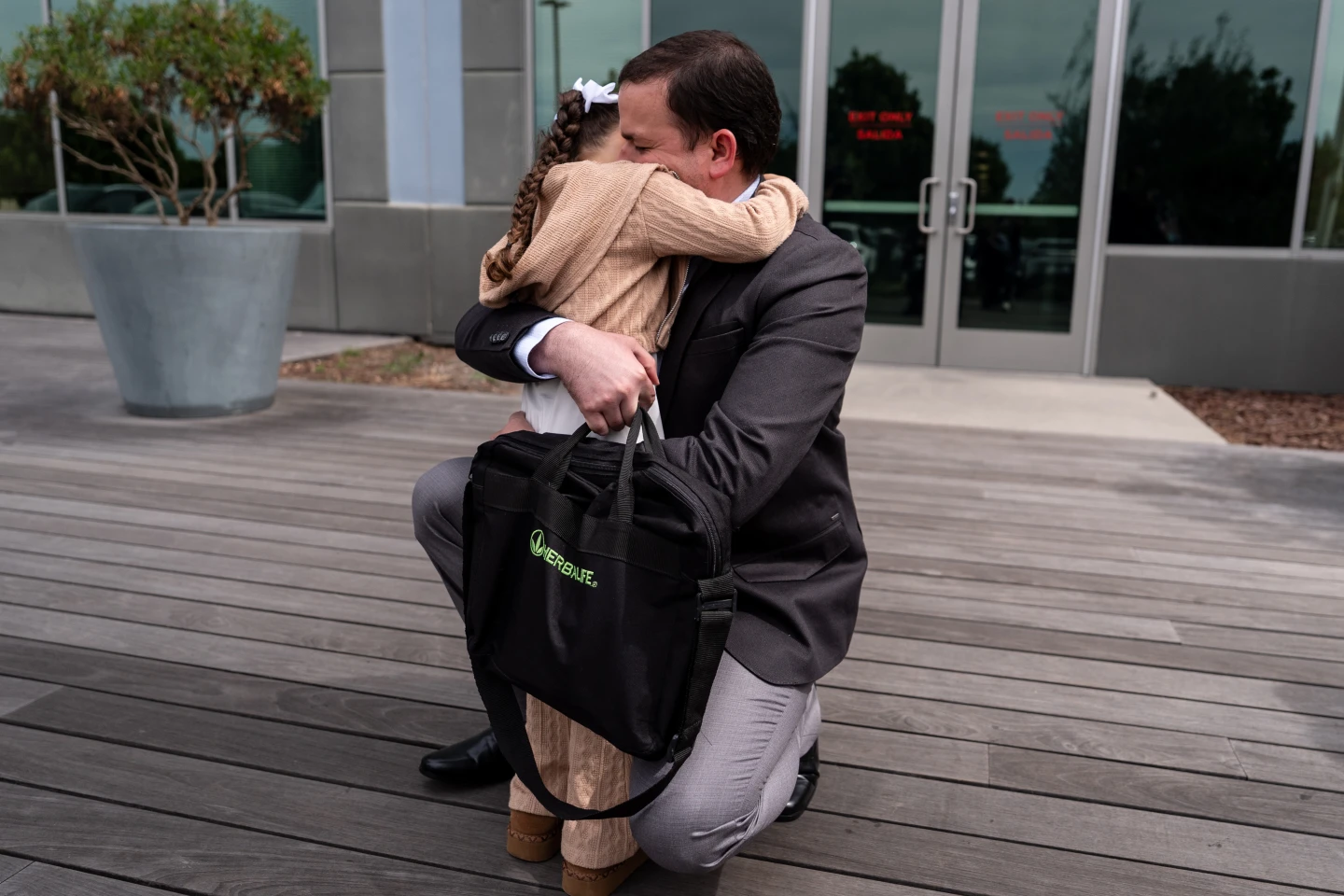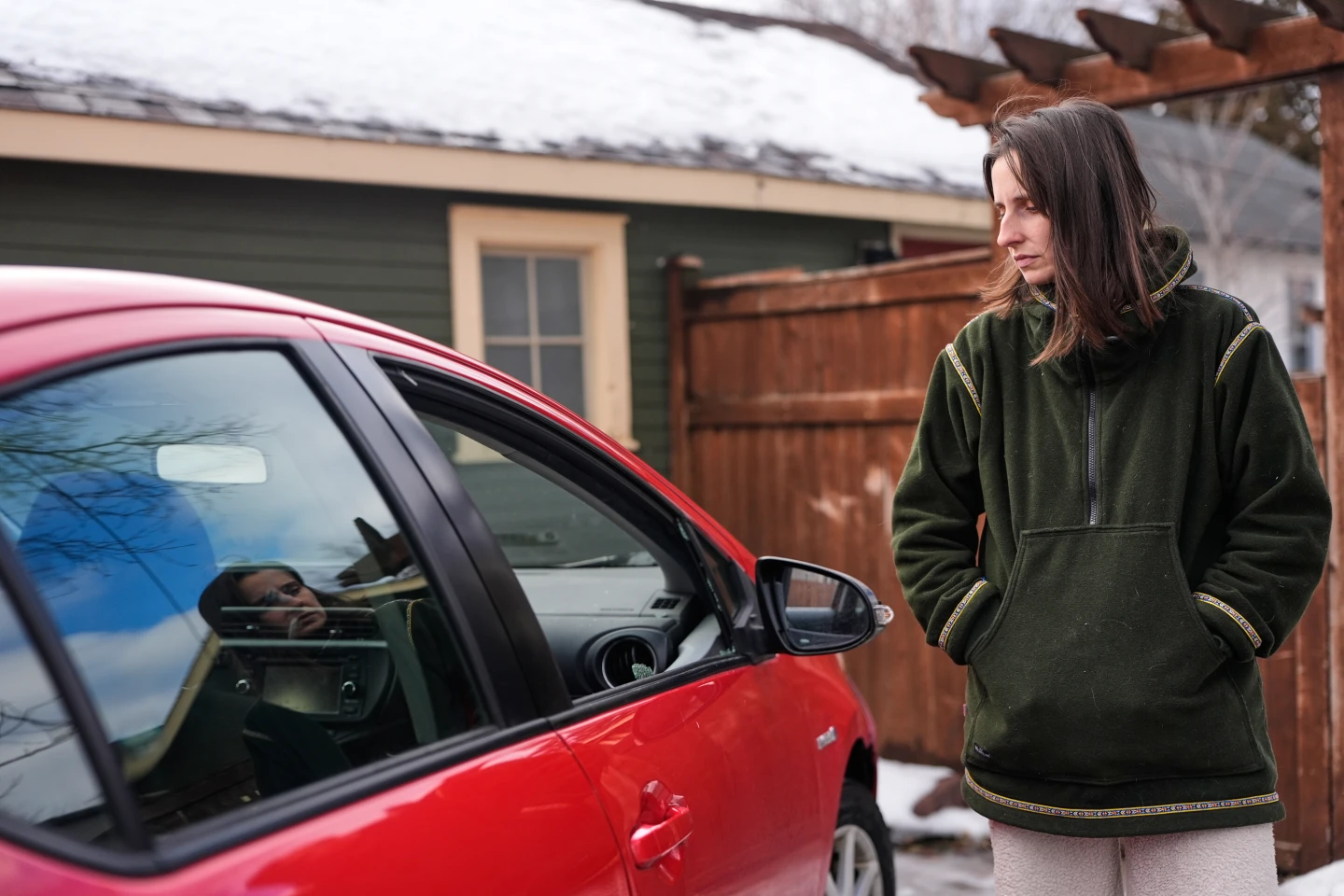
Two Minneapolis U.S. citizens have come forward with troubling allegations against immigration enforcement officials, detailing their distressing experiences during a recent crackdown under the Trump administration's policies. Brandon Sigüenza and Patty O'Keefe stated they were detained for several hours, denied communication with the outside world, and pressured to disclose information about their activist peers and undocumented immigrants.
Their claims raise significant concerns about the tactics employed by the Department of Homeland Security (DHS) reminiscent of those used in cities like Los Angeles, Chicago, and New Orleans, illustrating a nationwide issue with the treatment of both citizens and non-citizens alike.
Sigüenza reported an immigration officer offered him money or legal protection in exchange for revealing information about protest organizers. Both Sigüenza and O'Keefe suspect that such tactics are intended to intimidate individuals opposing current immigration policies.
According to them, on the day of their detention, they were following immigration officers making arrests. They claimed the officers retaliated by employing chemical irritants and vandalism against their vehicle, attitudes suggestive of a broader aggressive approach to immigration enforcement.
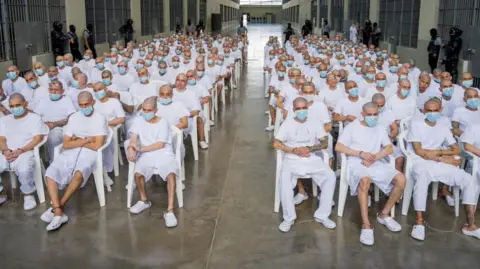
This incident has refocused attention on the living conditions and practices within U.S. detention centers. Allegations regarding inhumane treatment in such facilities continue to emerge nationally, with prevalent complaints about a lack of medical care and inadequate provisions for detainees.
Despite the DHS's claims that detainees’ basic needs are met, critics argue that the enforcement strategies significantly undermine the rights of individuals, notably those involved in activism or community organizing against detainment policies.
Law advocates underscore that basic rights, including the right to counsel and humane treatment, ought to be upheld regardless of immigration status.
As Sigüenza and O'Keefe have highlighted their ordeal, the repercussions of such detentions extend beyond the individuals involved, resonating within communities that are increasingly wary of federal immigration enforcement tactics and their implications on civil liberties.