American religious history is filled with passionate protests and civil disobedience, but instances of political protests occurring within houses of worship remain rare. The recent incident at Cities Church in St. Paul, Minnesota, exemplifies this rarity.
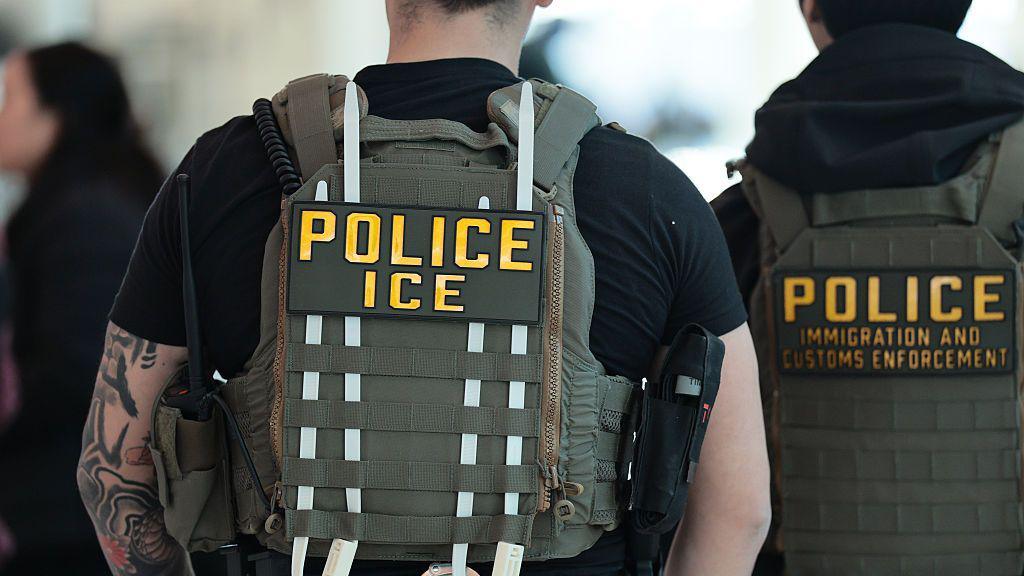
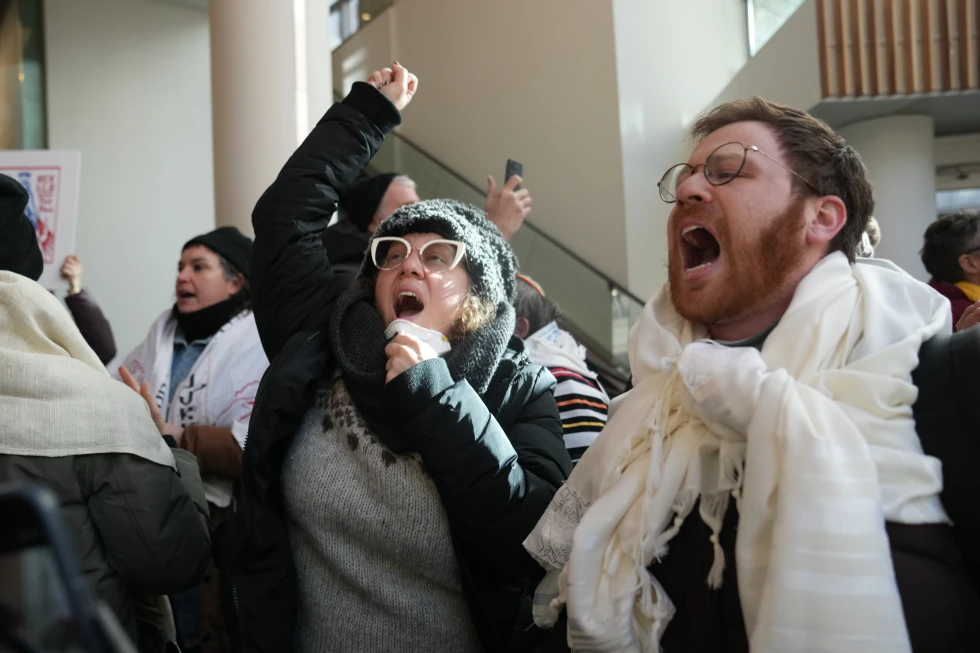
Last Sunday, a group of anti-ICE protesters interrupted a service at Cities Church, a Southern Baptist congregation where one of the pastors is employed by the U.S. Immigration and Customs Enforcement (ICE). The interruption led to the arrest of three protesters on federal charges.
Legal experts highlight the implications of protesting during worship, with Charles C. Haynes, a senior fellow for religious liberty at the Freedom Forum, stating that disrupting a service is fundamentally against the law, capturing the essence of civil disobedience meant to draw attention to urgent causes.
Civil rights attorney Nekima Levy Armstrong, a protest organizer who identifies as Christian, framed the demonstration in spiritual terms via social media, asserting that 'judgment' must begin within God's house. This statement resonates strongly in discussions of the boundaries of lawful protest.
While civil disobedience often leads to significant changes in legislation, such as during the Civil Rights Movement with figures like Martin Luther King Jr., similar actions today face pushback from both lawmakers and religious communities, demonstrating the complex dynamics at play when faith and activism intersect.
Some clergy have expressed discomfort with protests within sanctuaries, emphasizing that no political cause justifies intruding upon a sacred space. Bishop Mariann Budde of Washington, D.C. stated the sanctity of worship must be protected for everyone, including those seeking refuge from immigration laws.
Despite the push for protest within religious spaces, those supporting secure and respectful environments for worship generally condemn the tactic. The recent actions have led to the suggestion of buffer zones around houses of worship to mitigate future disruptions, balancing the rights of protesters and worshippers.
As this debate unfolds, the legal repercussions faced by those arrested could be severe. The protesters are charged under a law meant to prevent violations of constitutional rights that could lead to up to 10 years in prison.
This case will continue to illuminate the complicated interaction between faith, law, and activism as communities across the nation grapple with the implications of political actions within sacred spaces.