In brief
In the capital city of Tirana, masked protesters—many university and high school students—battled riot police over the past week, launching rocks and petrol bombs at the education ministry before shifting focus to the prime minister’s office. The police used water cannons, tear gas and, for the first time, rubber bullets, resulting in hundreds of arrests and injuries on both sides. The movement, which began as a protest over corruption, has broadened into a call for Prime Minister Edi Rama to resign, building pressure on Albania as it seeks European Union membership. While the government blames opposition and foreign actors for the unrest, opposition leaders highlight corruption and power concentration, and investigative prosecutors have begun targeting officials tied to Rama. The protests illuminate a broader struggle between a long‑standing political elite and a generation demanding greater transparency and accountability.
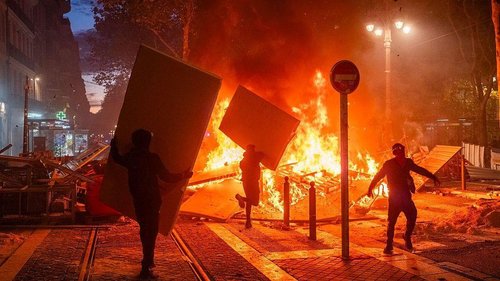
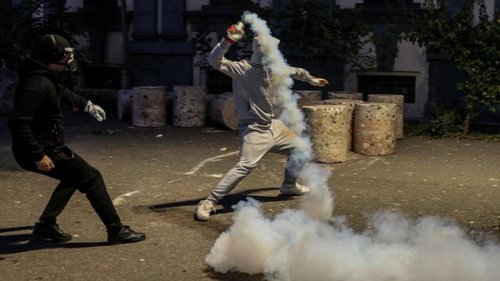
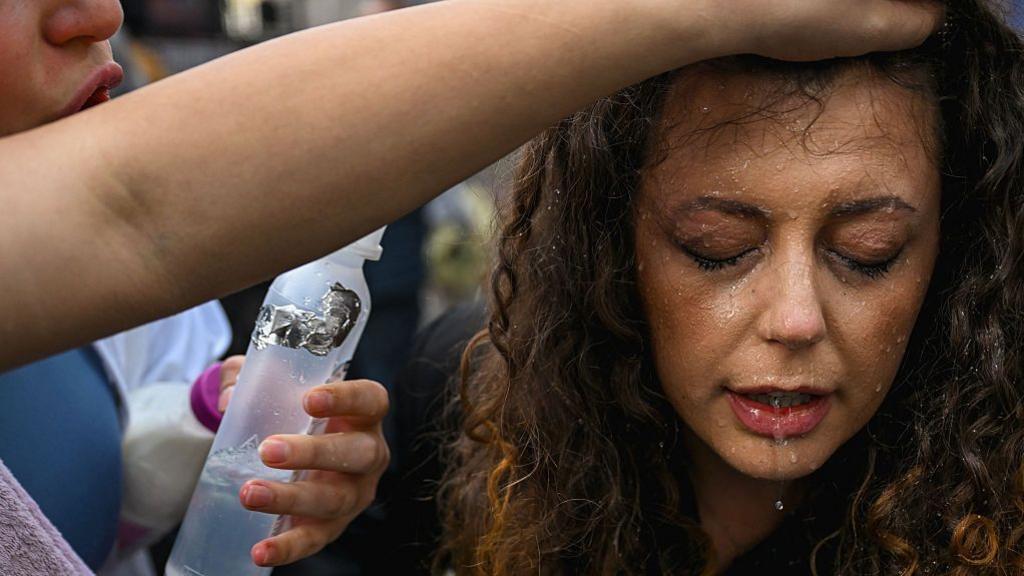
For the fifth consecutive day, Tirana’s streets have been a scene of confrontation between thousands of masked demonstrators and riot police. The protests began at the education ministry, where students and others hurled rocks and petrol bombs at police officers. In response, authorities deployed water cannons, tear gas, and for the first time, rubber bullets. The exchanges ended with waves of arrests and a growing number of injured on both sides.
Those at the centre of the demonstrations argue that the government’s corruption scandals and consolidation of power by Prime Minister Edi Rama’s Socialist Party justify a demand for his resignation. Over 80 people have been charged with disorder and hundreds further detained. The protests have turned the capital’s core into a makeshift war zone, littered with broken glass and charred debris.
Contrasting the protesters’ stance are multiple voices within Albania and the broader European context. The prime minister, who has ruled for 13 years, maintains that the unrest is fuelled by the opposition Democratic Party and foreign actors opposing Albania’s path toward EU membership. He insists the government has delivered progress and urges people not to forget past achievements.
Opponents point to a series of investigations by the special prosecution service that have brought high‑profile figures close to the administration into scrutiny. The secret service chief and a businessman linked to Rama are among those now arrested or under investigation, illustrating the depth of alleged corruption. Analysts argue that concentrating power in a single individual has made Rama a scapegoat for systemic grievances.
As protests continue, Albania faces increasing pressure both domestically and from international bodies that oversee its EU accession. The situation remains highly volatile and the path toward stability or a regulatory overhaul is uncertain. The escalating tensions highlight the challenges of democratic governance in a nation where legacy politics and a youthful, mobilised citizenry collide.