In brief
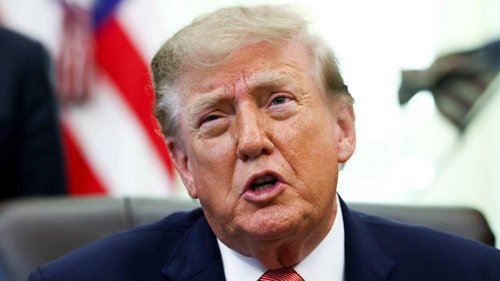
In an unprecedented move, President Trump's appeal concerning the birthright citizenship order is set to be examined by the Supreme Court. This executive order seeks to redefine who qualifies for U.S. citizenship, asserting that children of undocumented or temporary residents do not automatically receive citizenship upon birth. Despite lower courts ruling against the order, the Supreme Court’s decision could have a lasting impact on immigration policies, notably as it challenges the established understanding of the 14th Amendment. Trump will make history by attending the oral arguments, a first for a sitting president.
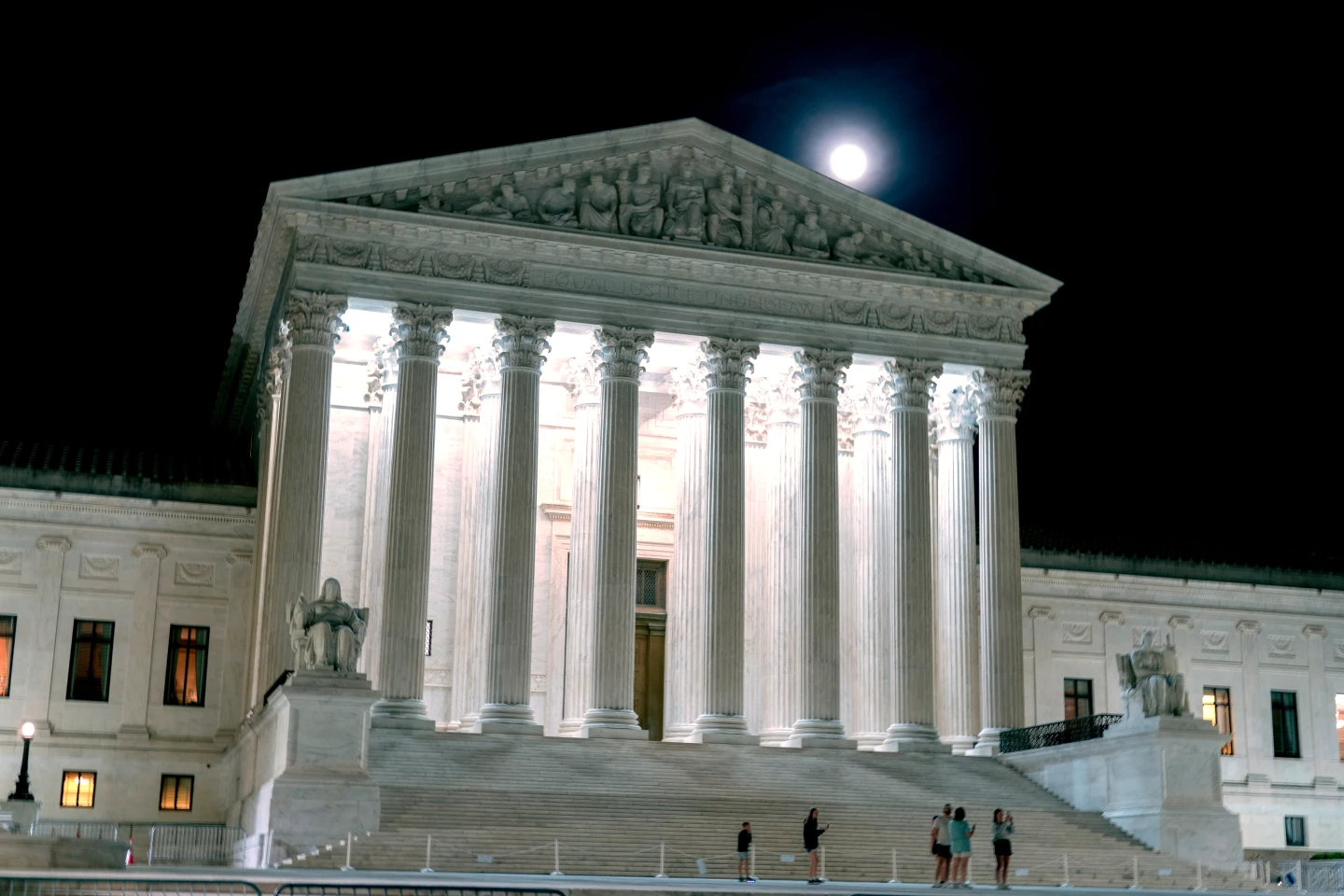
WASHINGTON (Neutral Echo) — The Supreme Court is preparing to deliberate on a significant case involving President Donald Trump’s executive order regarding birthright citizenship, which asserts that children born in the United States to parents who are undocumented or temporarily in the country are not American citizens. Trump is expected to attend the hearings, marking the first time a sitting president has done so.
The justices will examine Trump’s appeal following a lower court ruling from New Hampshire that invalidated the citizenship restrictions. Similar decisions have emerged from various courts, preventing the order from taking effect anywhere in the United States.
A decision from the Supreme Court is anticipated by early summer, amid a backdrop of heightened legal scrutiny of executive power.
The birthright citizenship order was instated on the first day of Trump’s second term, as part of broader measures aimed at tightening immigration policies. This policy shift is seen by many as a direct challenge to the 14th Amendment, which has traditionally guaranteed citizenship to anyone born on U.S. soil, with minimal exceptions.
Legal experts argue that if upheld, Trump's order could revolutionize the definition of citizenship in America. Legal representatives opposing the order have described it as an overreach that contradicts centuries of legal precedent and undermines established rights.
Each year, an estimated 250,000 newborns could be affected by this executive order, raising concerns about the ramifications for children born to legal as well as undocumented residents in the U.S. The Solicitor General argues that the court should reconsider long-held misconceptions about the Constitution’s interpretation. However, no prior court has accepted this argument.
As the Supreme Court prepares for this landmark case, the outcome could define the future of immigration law and citizenship in the United States, echoing throughout legal and societal frameworks for years to come.