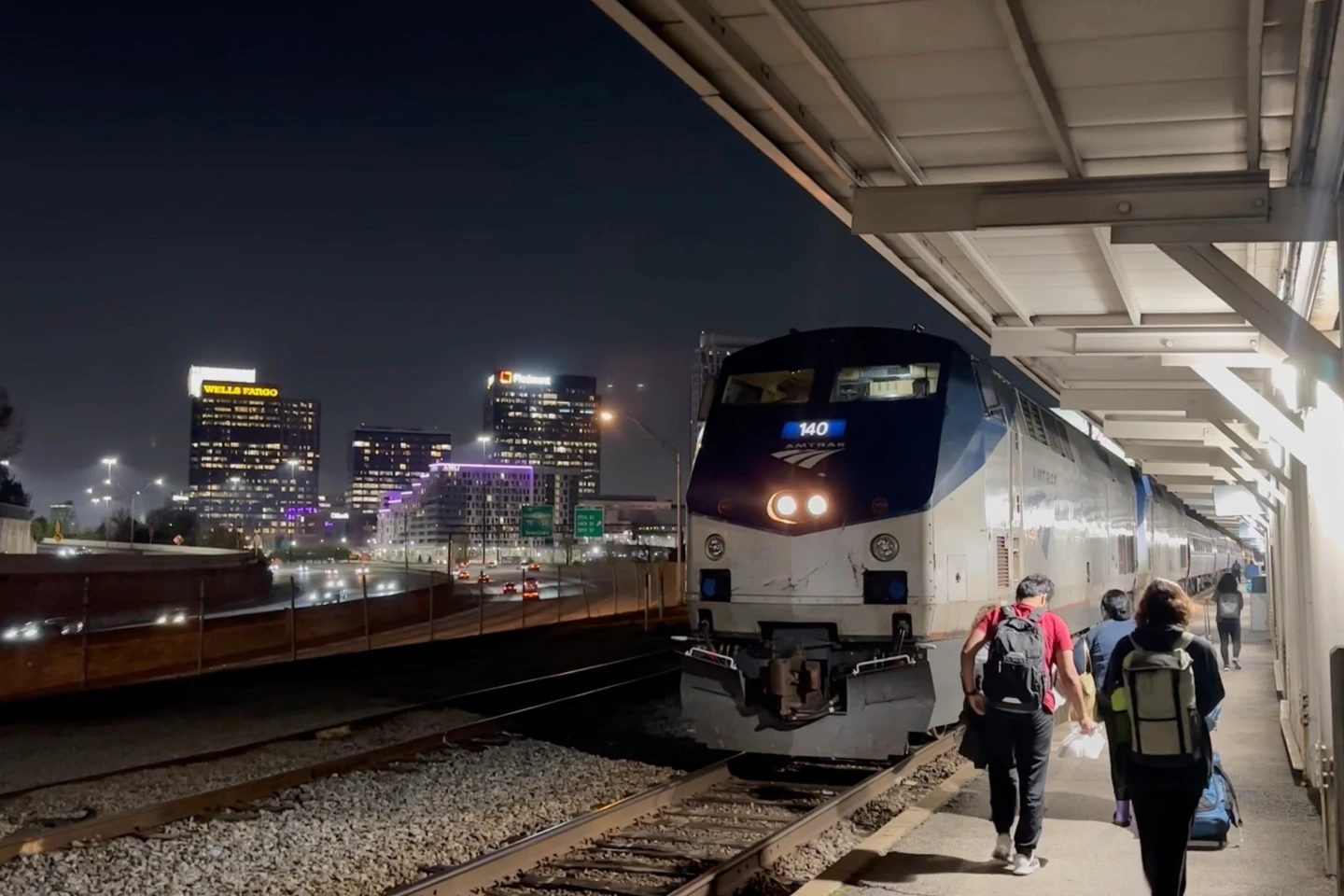
As the sun rises over the tranquil rural landscape, an unexpected choice emerges: traveling by train instead of flying. This decision, while seemingly about a nostalgic preference, is deeply rooted in the current political landscape shaped by a budget impasse in Congress that affects air travel.
The chaos experienced at major airports contrasts sharply with the orderly experiences found at train stations. Frustration with long waits and unpaid federal employees meant opting for Amtrak over Delta, ensuring a smoother journey.
Reflections on the conveniences afforded by air travel whisk us back to 20th century advancements that shape today’s expectations. Yet, with airports now experiencing delays, many are rekindling a connection with trains, harkening back to 19th-century travel where the rhythm of wheels chugging along tracks offered predictability in motion.
The Amtrak ride across the East Coast opens a window into societal experiences, showing a tapestry of travelers from various backgrounds stepping aboard. This contrasts with the historical narratives of signified mobility compromised by racial and economic discrimination prevalent in the past.
The comfort of spacious coach seats may seem a far cry from the glamour of major airline carriers, yet it illustrates a certain accessibility of the rail that escapes the metrics of time being money. And on the ground — vital rural landscapes pass by unnoticed by many flying overhead — adding layers to fulfilling the experience of traveling across the fabric of America.
The interlacing of history, personal stories, and current debates on immigration and mobility underscores that for many, the journey remains a reflection of broader narratives of identity and belonging. As the train rolls towards its destination amidst the backdrop of stalled political agreements and societal strife, it serves as a reminder of the power of choice in the face of uncertainty.