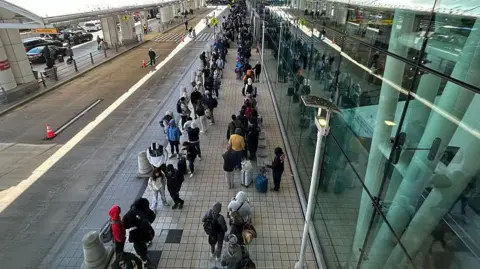
The partial US government shutdown has become the longest in American history, as lawmakers in Washington continue to fight over funding for the Department of Homeland Security (DHS).
On Sunday, the shutdown reached 44 days, surpassing the previous longest funding lapse, which ended in November 2025.
The current impasse has led to chaos at airports, due to a shortage of Transportation Security Administration (TSA) officers at security checkpoints as they go without pay cheques.
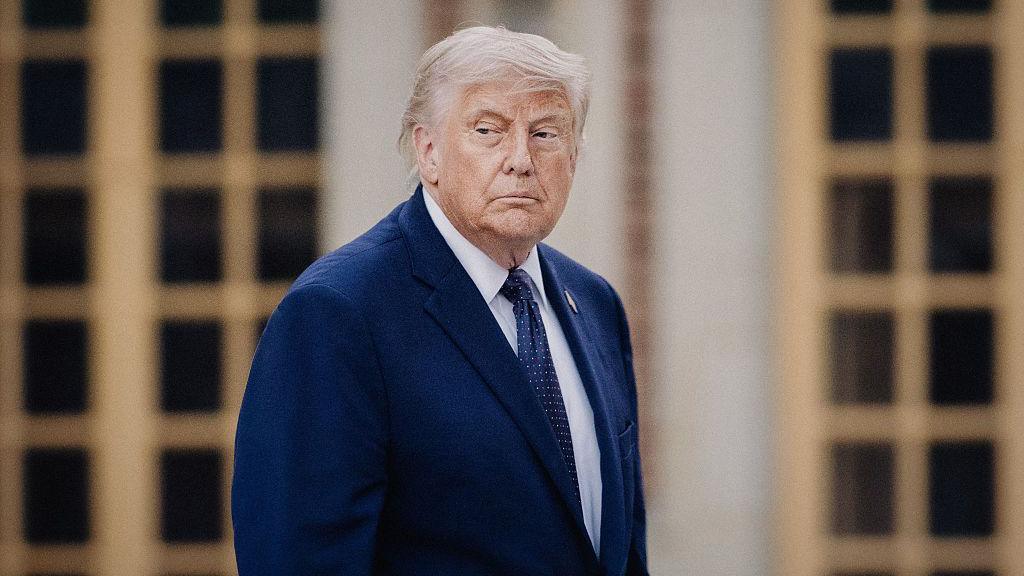
White House border czar Tom Homan stated that TSA agents should start receiving pay early next week after President Donald Trump signed an order attempting to free up cash.
However, it remains uncertain whether Trump's executive order will face legal challenges, as the US constitution gives Congress the authority to authorize spending for the federal government.
Trump expressed his commitment to ensuring TSA agents are compensated, stating, We're going to pay them [TSA agents] for as long as we need to, while urging Congress to finalize a funding deal.
Following the shutdown, Homan informed CBS that ICE agents would remain at airports to assist TSA until they are back at full operational capacity.
A resolution remains elusive as Republicans and Democrats grapple over DHS funding, which includes TSA, immigration agencies, and emergency resources. Congress has taken a two-week break and left with no agreement.
On Friday, lawmakers failed to reach a consensus to re-open the DHS, which has been shut since February 14.
The Senate recently passed a compromise bill aimed at partially funding the DHS to ease airport travel delays; however, House Republicans rejected the bill, instead opting to approve a complete funding measure.
Democrats in the Senate are not expected to support the House's short-term measure without addressing specific reform concerns regarding immigration and TSA operations.
Trump reiterated the need for immigration funding, criticizing Democrats for their role in the shutdown while stating that TSA officers are facing pay-less situations that have led to increased sick calls and resignations, with approximately 500 quitting so far.
This has resulted in extensive airport delays, with thousands of TSA agents calling out of work, leading to public concerns about the US's ability to co-host the World Cup in June.