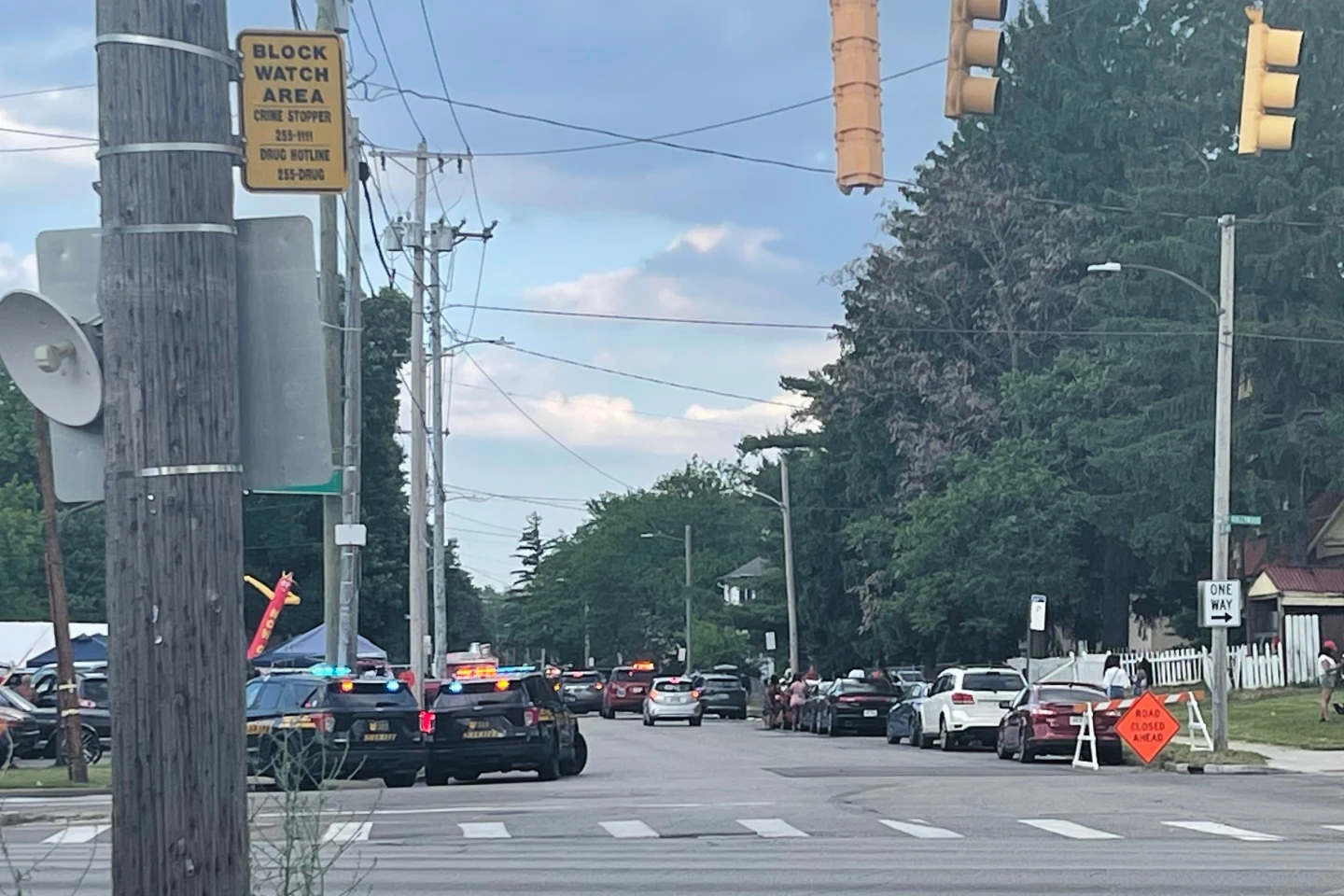
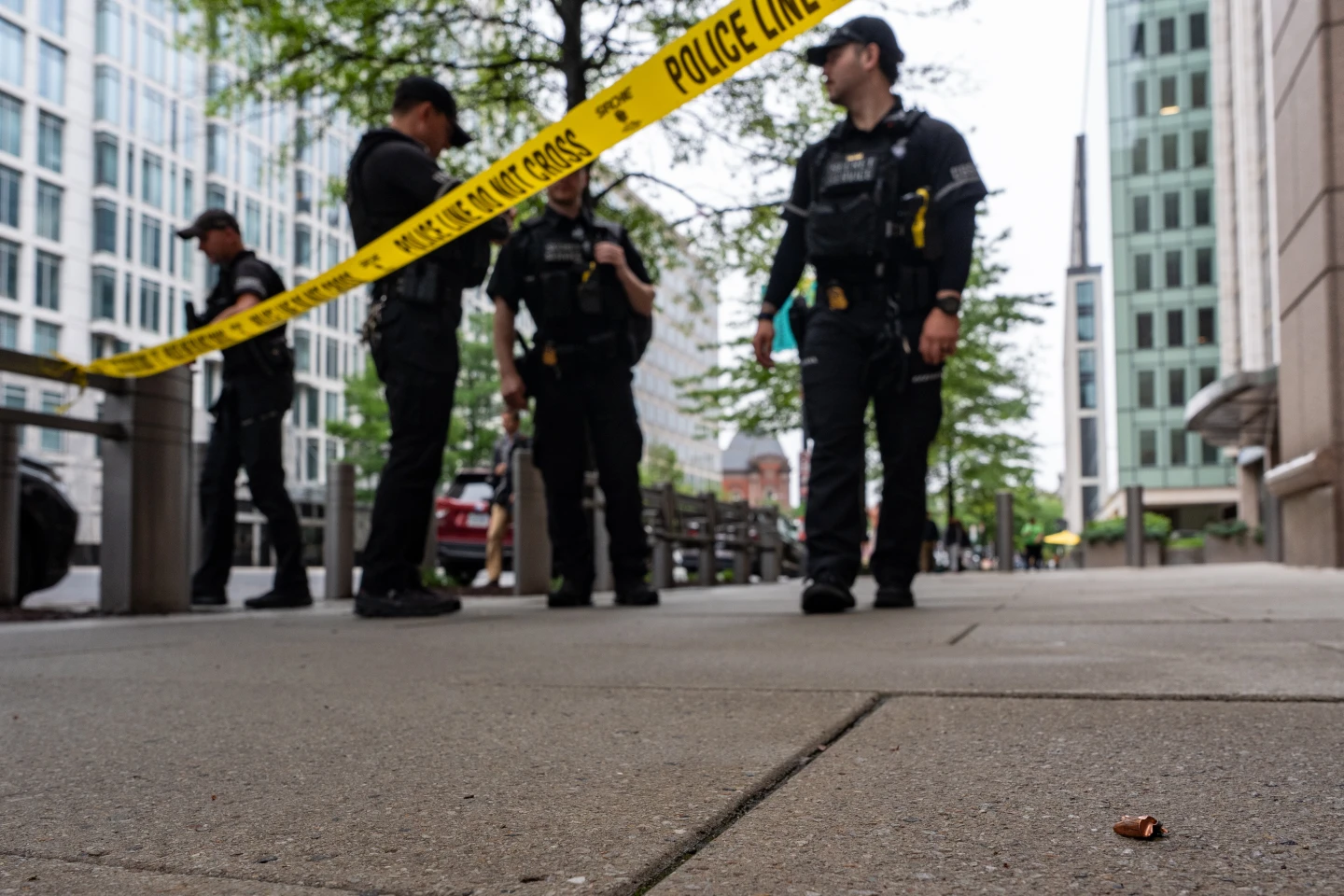
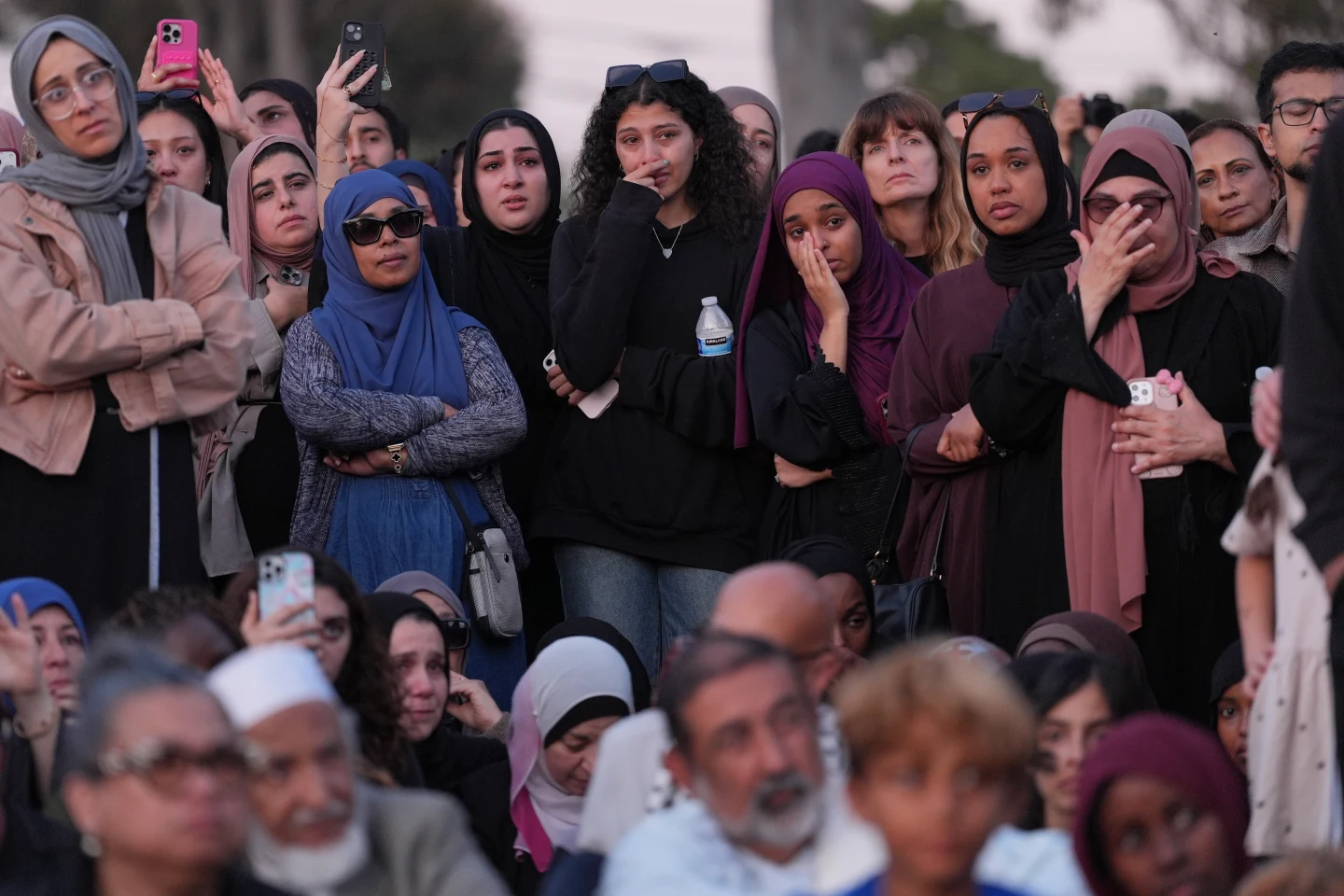
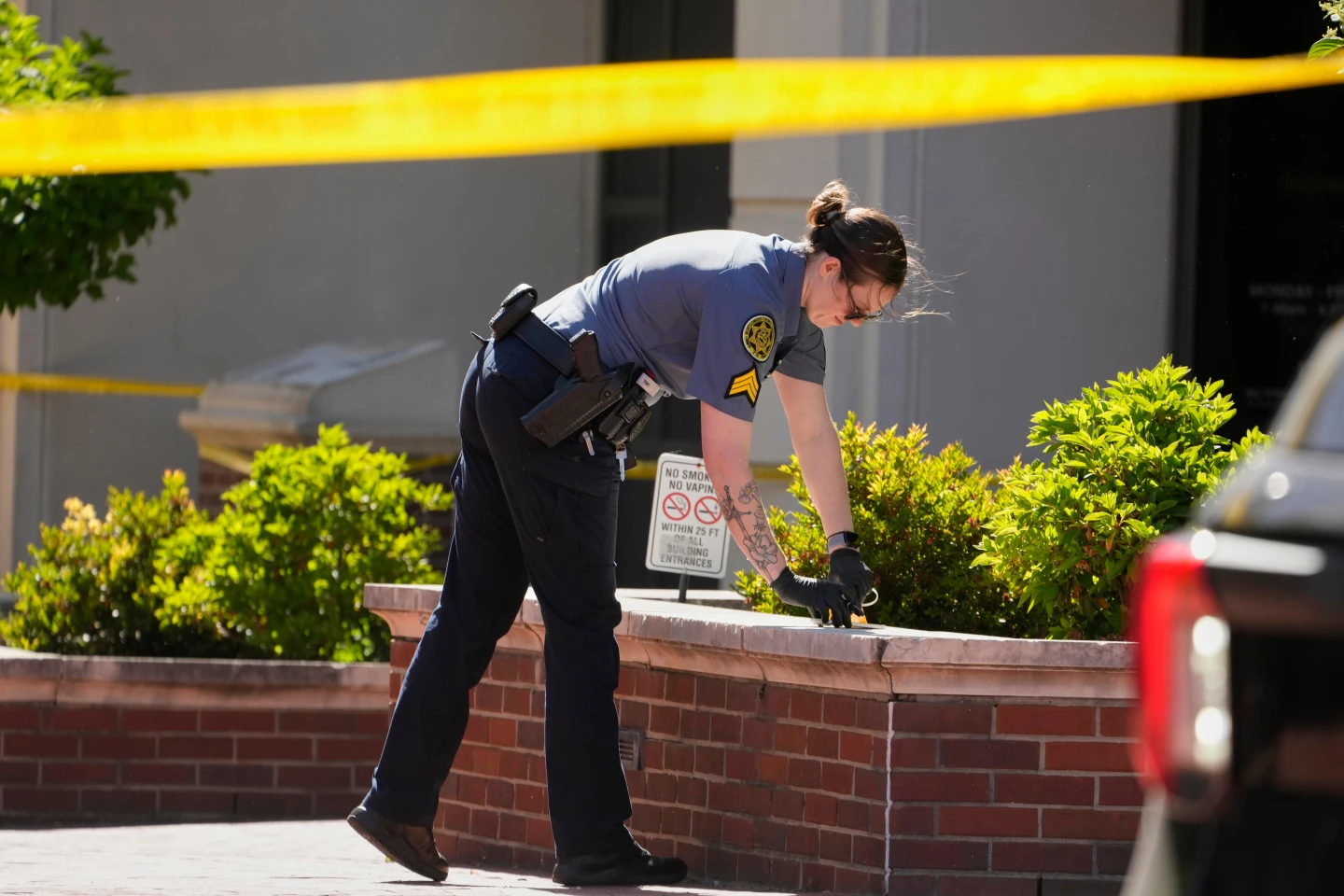
A shooting last weekend at a children’s birthday party in California that left four dead marked the latest incident in a year of decline in mass killings. According to a database maintained by The Associated Press and USA Today, only 17 mass killings have occurred in 2025, the lowest number recorded since 2006.
Experts are advising caution, suggesting that while the reduction is notable, it may not indicate a long-term trend towards safety. James Alan Fox, a criminologist at Northeastern University, describes this decline as a 'regression to the mean,' implying that it represents a return to more typical levels following unusual spikes in mass shootings in recent years.
Fox expresses skepticism about whether this downward trend will continue, stating, Will 2026 see a decline? I wouldn’t bet on it. What goes down must also go back up. Current statistics show a 24% decrease in mass killings compared to 2024, which also reflects a 20% decline from 2023.
Mass killings, defined as incidents in which four or more people are killed within a 24-hour period, are infrequent events, leading to volatility in data trends. Dr. James Densley from Metropolitan State University in Minnesota notes, Because there’s only a few dozen mass killings in a year, a small change could look like a wave or a collapse. He emphasizes that while 2025 may seem promising from a historical standpoint, it does not signify that the problem is resolved.
Factors like a general decline in homicide rates and more effective responses to mass casualty incidents could contribute to the drop in mass killings. Improvements in trauma response may reduce fatalities in incidents that do occur, as seen in past examples of targeted violence.
While mass killings represent a minuscule fraction of the overall violence rate, they capture public attention and policy discussions. Eric Madfis, a professor of criminal justice, explains that both gun violence deaths and overall rates of homicides have declined, yet the U.S. still experiences significantly higher levels of mass shootings compared to other countries.
States have been putting funds towards initiatives like school threat assessments, aiming to prevent school shootings specifically. This year, none of the recorded mass killings occurred within educational settings.
While 82% of this year’s mass killings involved firearms, broader funding strategies, like the Safer Communities Act passed in 2022, have contributed to violence reduction efforts through community support systems and proactive threat assessments.
Despite the reductions, experts remind us that addressing mass killings encompasses a complex web of factors. Gun violence remains a critical issue, claiming lives at rates comparable to historical conflicts such as the Korean War, making it an ongoing concern that requires multifaceted solutions.
{@worker-flag-year|year=2025}