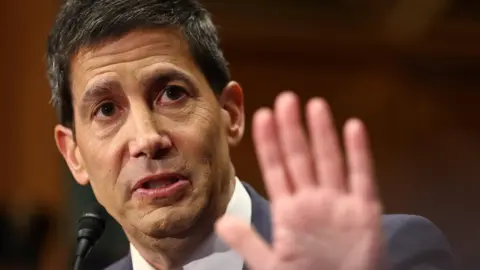
WASHINGTON (AP) — The men tasked with implementing President Donald Trump’s mass deportation agenda faced scrutiny during a Senate hearing, as Senator Rand Paul made them watch a video detailing the shooting death of Alex Pretti. Paul expressed doubts about the tactics employed by federal officers and cautioned that the American public's trust in immigration enforcement agencies has significantly diminished.
During the hearing, convened to reflect on the recent deaths of protesters following encounters with federal officers, Paul highlighted the moments leading up to Pretti's death and questioned the necessity of lethal force in such situations.
“He is retreating at every moment,” Paul stated regarding Pretti's actions leading up to the use of pepper spray and subsequent shooting. “He’s trying to get away and he’s being sprayed in the face.”
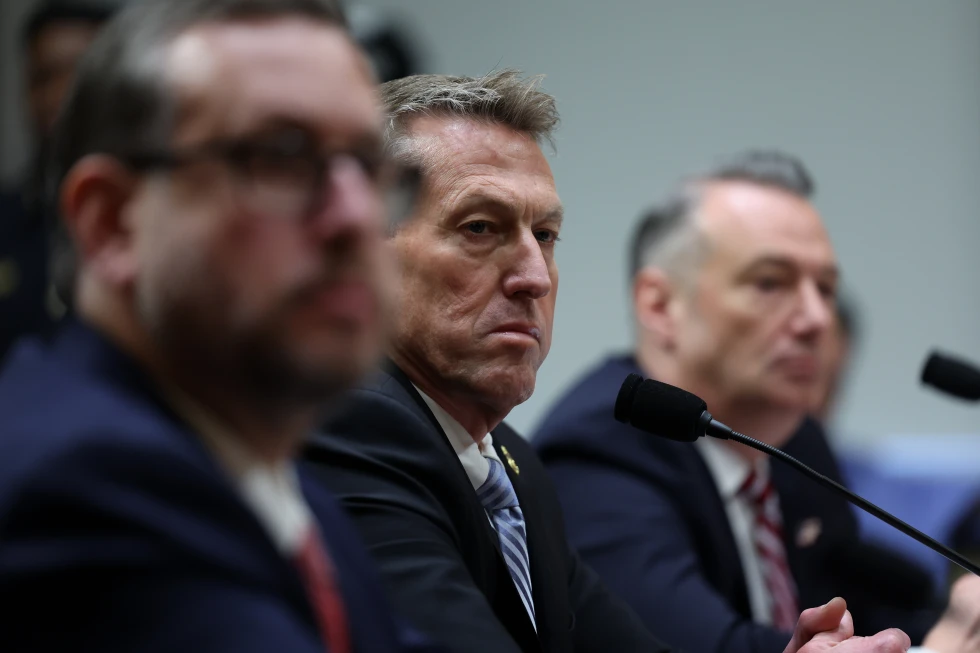
The hearing featured key immigration officials, including Todd Lyons, acting director of ICE, and Rodney Scott, head of CBP, who faced pointed questions about their conduct during law enforcement operations.
Paul's inquiry marked him as a rare Republican voice challenging the actions of immigration officers, with most of his party colleagues refraining from similar criticisms. Meanwhile, Democrats at the hearing condemned both the use of force in Pretti's case and broader implications for federal immigration enforcement.
Scott insisted that Pretti posed a threat, arguing that his non-compliance warranted the response from officers. In response, Lyons disclosed that ICE had initiated multiple investigations into allegations of excessive force during operations, citing accountability measures within the agency.
Congressional concerns over immigration enforcement have intensified following the deaths of Pretti and another citizen, prompting administrative changes within operations in Minnesota. The tension has reignited discussions on the balance of enforcing immigration laws and protecting civil liberties.
Senator Richard Blumenthal pressed Lyons on a controversial memo justifying the use of administrative warrants for arrests, indicating these warrants fall short of constitutional safeguards. This challenged the legality of practices employed by immigration officers in pursuing individuals.
As the hearing unfolded, it highlighted the fractured perceptions of immigration enforcement responsibilities, reflecting broader societal concerns regarding racial equity, public accountability, and the use of force by government agencies.