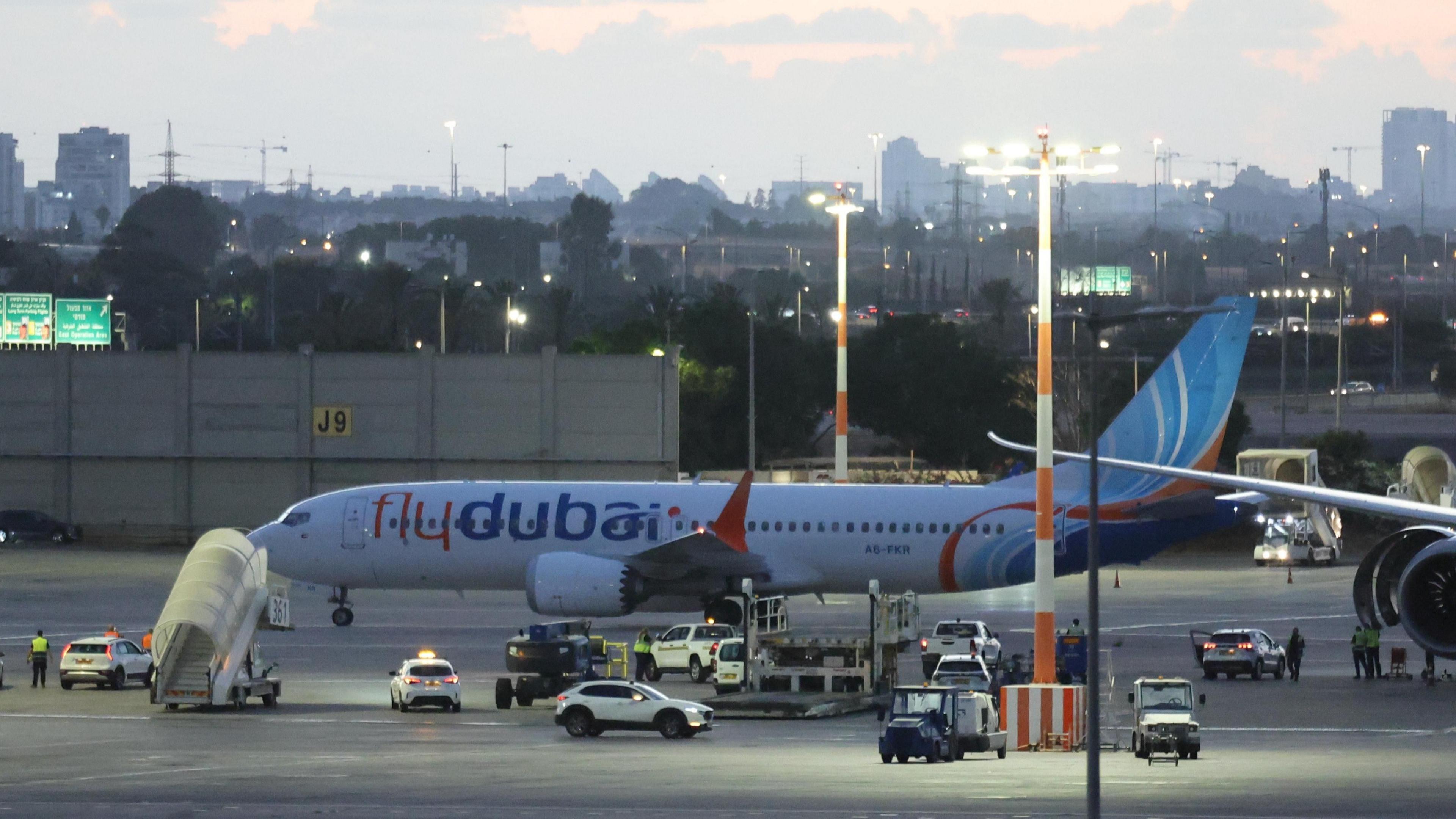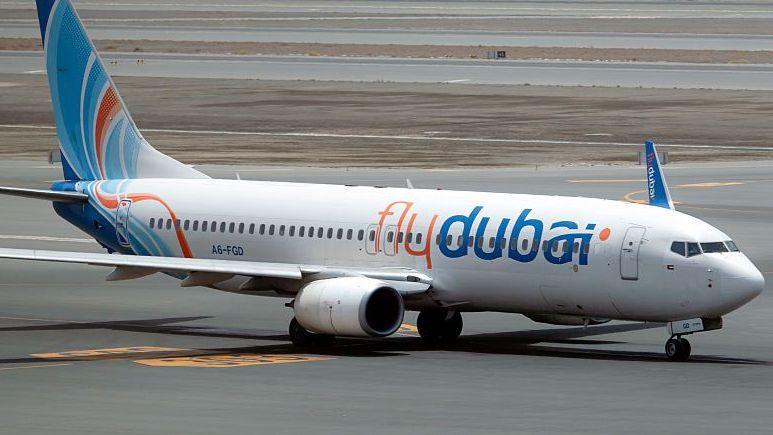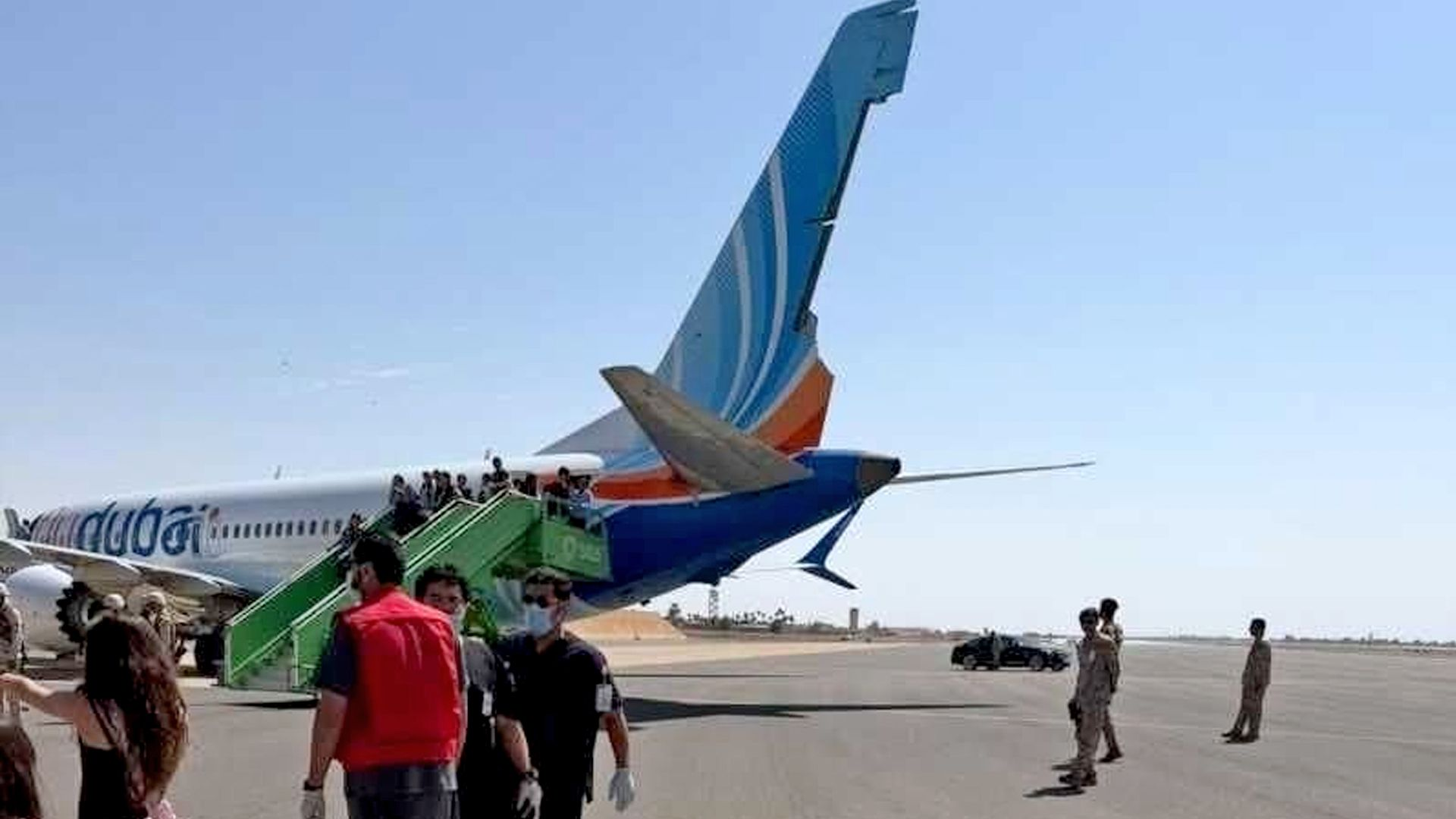
On 30 September, a Flydubai aircraft travelling from Dubai to Tel Aviv was hijacked when the co‑pilot struck the captain with a crash axe, according to the UAE prosecutor general.
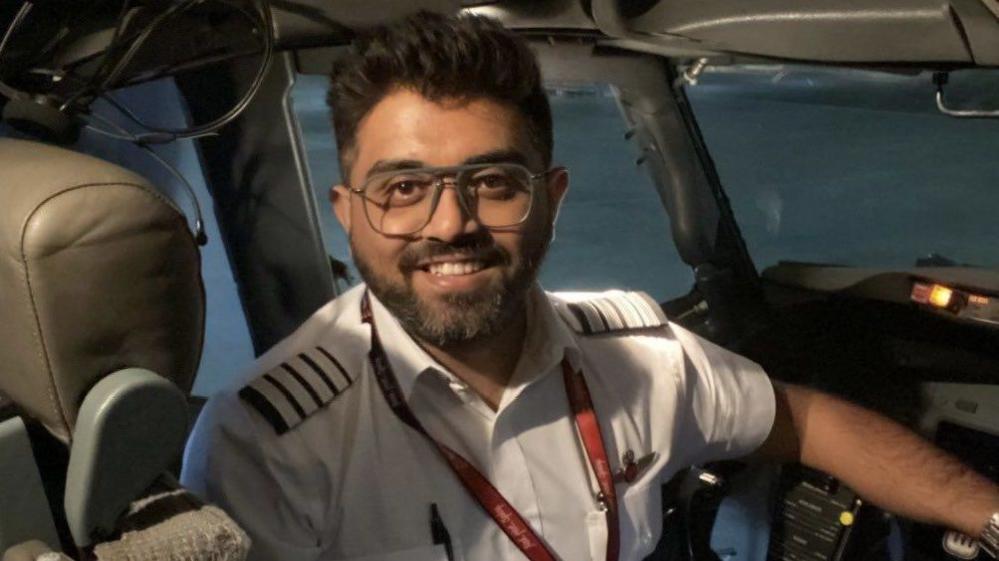
The captain, Indian national Smit Machchhar, was injured on the floor, but passengers and crew handled the situation, allowing the plane to roll toward Saudi Arabia. Two reserve pilots eventually landed the aircraft safely at Tabuk Airport.
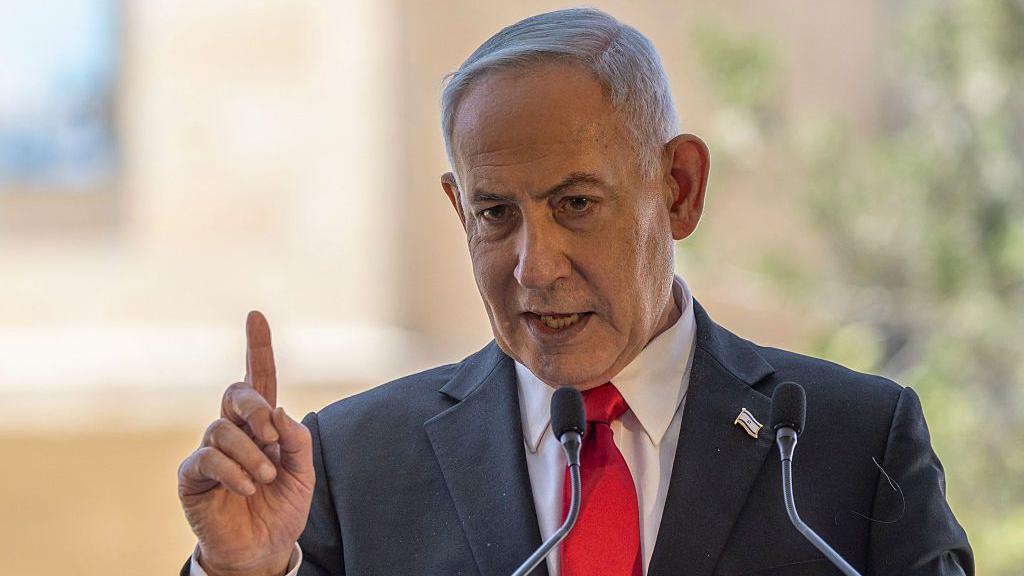
The co‑pilot, identified by media as Hamam al‑Hammami, is alleged to be an Omani national. Israeli Prime Minister Benjamin Netanyahu has stated that the man is Omani, while authorities in the UAE are treating the incident as a “terrorist act” and investigating motives.
Australian federal police confirmed an investigation into “the man’s links to Australia.” The inquiry involves state police and the national security agency, with an update promised when available.
Sources familiar with the case report that al‑Hammami held a student visa in Australia from 2014 to 2017, attending lectures between 2015 and 2017 before the visa was cancelled in 2019. He left the country after ceasing enrolment, and a student visa was revoked accordingly.
Counter‑terrorism officials are examining whether al‑Hammami was radicalised while in Australia. The Australian Broadcasting Corporation says the immigration department had not renewed his visa after his studies ended.
Al‑Hammami’s employment history adds complexity. He had previously been dismissed from flight training at Oman Air because of “concerns over his radical views,” according to U.S. media, and was later assigned a non‑piloting role in the carrier. From 2020 he was enrolled in a distance‑learning course at Buckinghamshire New University in the UK, graduating with a degree in aviation management in 2023 – he did not receive pilot training at the university.
The UAE attorney general stated investigations were seeking to establish the circumstances, motives, and links related to the incident, while Saudi authorities have arrested and are questioning al‑Hammami following the emergency landing.
The flight carried more than 170 passengers, and the emergency caused a plunge of 17,000 feet (5,200 metres) when the co‑pilot was attacked by the captain. All passengers survived, and no injuries were reported after the safe landing.
The incident has drawn attention from aviation safety regulators and governments worldwide, prompting calls for tighter cockpit security and scrutiny of crew selection processes, particularly for staff with histories of radicalisation or international travel.