THE GLAMOR HOLLYWOOD SELLS VS. THE REALITY IT HIDES
Hollywood has spent a century selling a fantasy—spotlights, red carpets, designer gowns, cameras flashing like stardust. But behind the illusion is a truth almost no one outside the industry sees: many actors start their careers homeless, sleeping in cars, couch-surfing, or living out of 24-hour convenience stores just to survive long enough to be noticed.
The dream is glamorous.
The entry point is brutal.
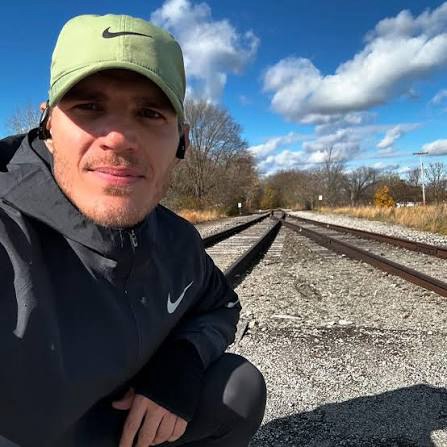
Few stories capture this contradiction more clearly than Chris Zylka, best known for The Leftovers, who admitted that when he first arrived in Los Angeles, he lived in his car in a 7-Eleven parking lot, showered at a gym, and worked odd jobs while waiting for a break. His origin story—like that of many actors—wasn’t fame. It was survival.
But the parking lot is where thousands of Hollywood careers truly begin.
THE PIPELINE OF PROMISES BUILT ON POVERTY
Agents love the mythology: “Just get to L.A. Anything can happen.”
What they don’t mention is that rent in Los Angeles is routinely three times the median income for new arrivals, and auditions require time, training, transportation, and unpaid labor.
Most actors don’t make enough from acting to cover basic living costs. Many live for years without a single steady paycheck. Yet the industry continues to function because desperation keeps the machine fed.
Hollywood runs on the hope that tomorrow might be the day everything changes—so actors endure conditions no other profession would dare normalize.
THE ACTORS WHO SLEPT IN CARS BEFORE THEY WERE MARKETED AS SUCCESS STORIES
Chris Zylka is not an exception. He is the blueprint.
Before the roles, the interviews, and the premieres, he was one of the thousands who start their Hollywood journey in silence and struggle—hoping not to be noticed by security while they sleep in their cars.
He joins a long list of actors whose early careers began with homelessness:
Tyler Perry, who lived in his car while writing the plays that would make him famous.
Halle Berry, who stayed in a homeless shelter after running out of money.
James Cameron, who slept in his car while teaching himself filmmaking.
Sylvester Stallone, who lived in a bus terminal before Rocky changed his life.
Hollywood celebrates their resilience only in hindsight—after the suffering becomes profitable as part of their mythology.
THE SYSTEM DESIGNED TO KEEP STRUGGLE IN PLACE
Hollywood doesn’t mind that thousands of actors are homeless.
It depends on it.
If actors had stability, they could say no.
If actors had support, they could be selective.
If actors had alternatives, they couldn’t be exploited.
By keeping the early years unstable, the industry ensures:
- an endless supply of aspiring talent willing to work unpaid
- no resistance to long hours or low-budget productions
- total dependence on agencies, managers, and studios
- a culture where poverty is reframed as “paying dues”
No other profession treats homelessness as a rite of passage.
THE DARK REALITY: MOST NEVER MAKE IT OUT
For every actor like Chris Zylka who eventually books a series, there are thousands who never escape the parking lot. Many return home broke. Many join L.A.’s growing homeless population. Some fall into addiction. Many disappear into low-wage work and never act again.
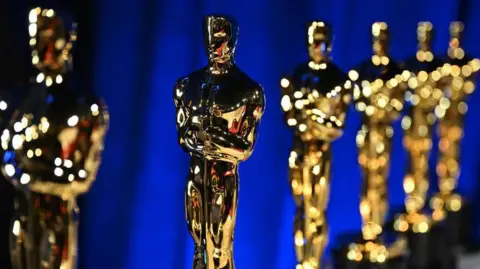
Hollywood protects its image by hiding these numbers. It shows the Academy Awards—not the 7-Eleven parking lots.
It celebrates the stars.
Not the 20,000 SAG-eligible actors who earn less than $7,000 a year from acting.
It sells the dream, not the cost.
THE REAL QUESTION HOLLYWOOD DOESN’T WANT ASKED
If the industry knows the dream begins in homelessness for so many…
Why does it still pretend the starting line is a red carpet instead of a parking lot?
And how many aspiring actors will sleep in their cars tonight—waiting for a system that promises everything and protects almost no one?