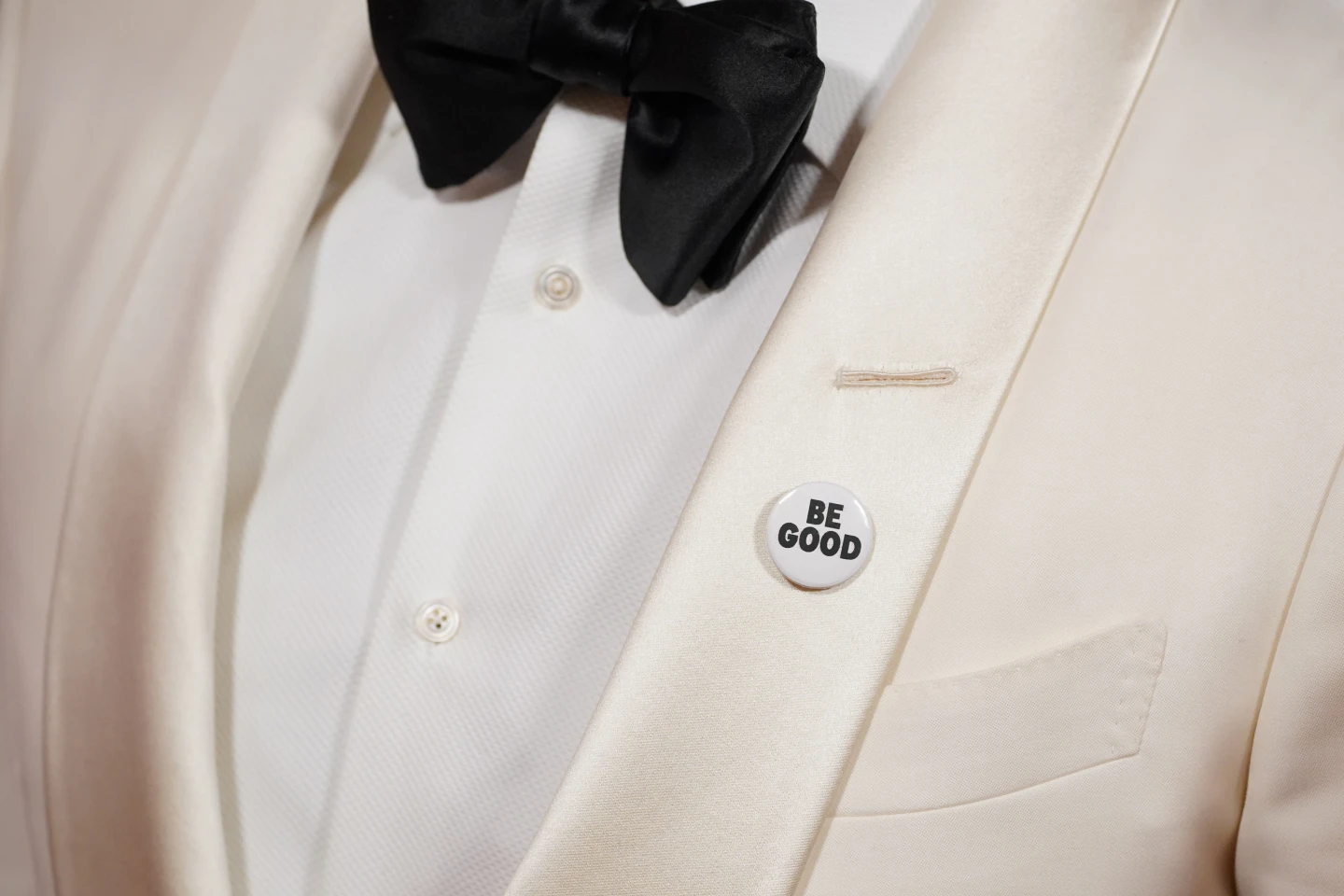
At the Golden Globes ceremony on Sunday, a number of celebrities sported anti-ICE pins as a tribute to Renee Good, who was tragically shot and killed in her car by an Immigration and Customs Enforcement (ICE) officer earlier that week in Minneapolis.
The black-and-white pins featured phrases like BE GOOD and ICE OUT, marking a significant political statement during this year's award show, which had less focus on political matters in the previous year.
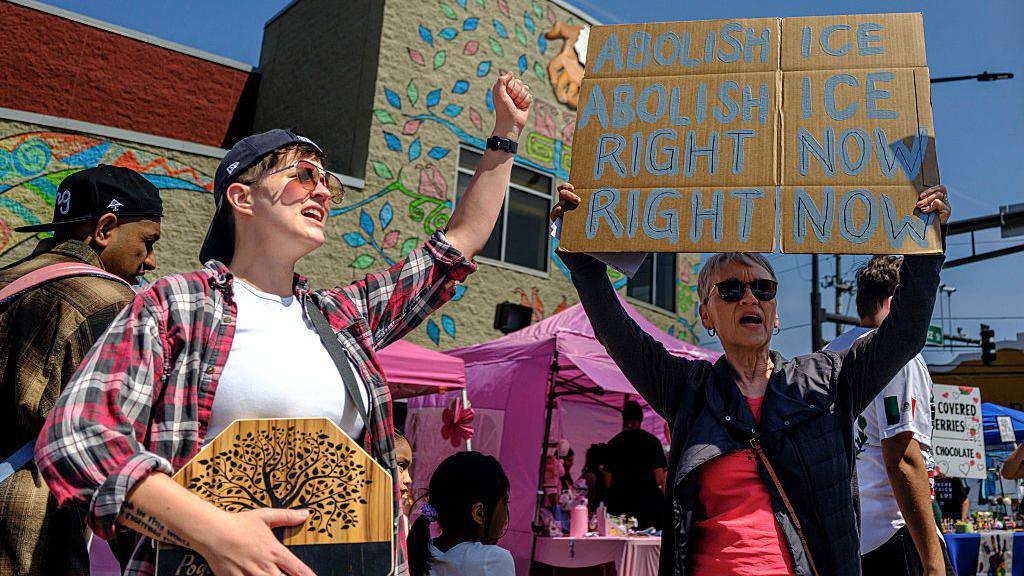
Actor Mark Ruffalo was among those who wore the pin, with others expected to join in similar displays. This exhibition of solidarity came in the wake of Good's shooting, which has ignited protests across the nation, demanding accountability for her death and for a separate incident involving Border Patrol agents in Portland who injured two individuals during another enforcement operation.
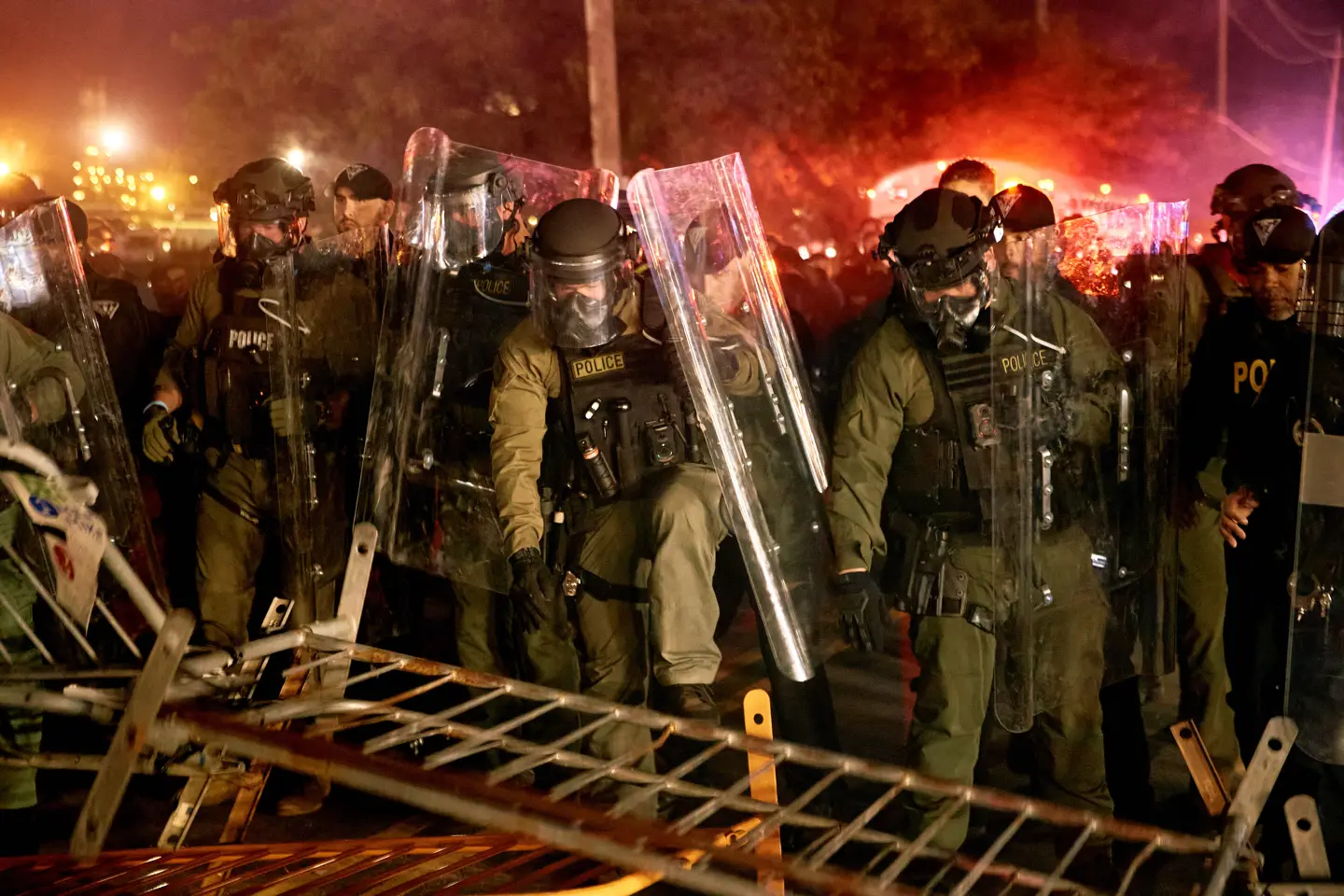
In Minneapolis, many protests have been met with police resistance, heightening tensions amid ICE's largest enforcement operation in the area. We need every part of civil society to speak up, stated Nelini Stamp, a member of Working Families Power who helped organize the pin campaign. We need our artists, our entertainers, and those who reflect society to make their voices heard.”
Lawmakers have pledged to respond to the incident, with ongoing investigations, including one by the FBI, looking into Good's death. The Trump administration has backed the ICE officer, asserting that he acted in self-defense, believing Good's car was a threat.
In a troubling coincidence, just days before Good's death, another incident in Los Angeles involved an off-duty ICE officer fatally shooting Keith Porter, drawing further protests as the community calls for justice.
Grassroots Movement Takes Shape
The concept of the “ICE OUT” pins was born from a late-night discussion between Stamp and Jess Morales Rocketto from the Latino advocacy group Maremoto. The intent was to utilize high-profile cultural events like the Golden Globes to raise awareness about social injustices.
This campaign represents the third year of activism linked to the Golden Globes for Morales Rocketto, who previously galvanized Hollywood against the Trump administration's family separation policies. She noted the importance of moments like the Oscars in 1973, when activist Sacheen Littlefeather declined Marlon Brando's Oscar to advocate for Native American rights.
To spread the word, the organizers reached out to celebrities and influencers, who then disseminated the message within their circles. Stamp emphasized that artistic figures have historically used their platforms for social justice and plans to continue this tradition.
The organizers are committed to maintaining the campaign throughout the awards season, ensuring that the names of Good and others affected by ICE violence are not forgotten. This grassroots effort aims to equip attendees at these glamorous events with pins, creating an accessible means for expressing solidarity and raising awareness.
For more coverage of the 2026 Golden Globes, visit this link.