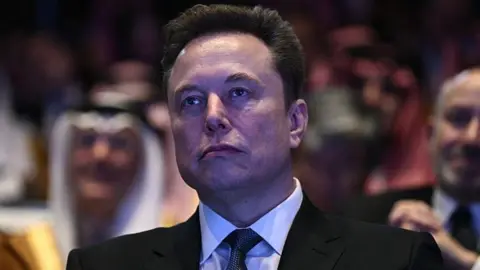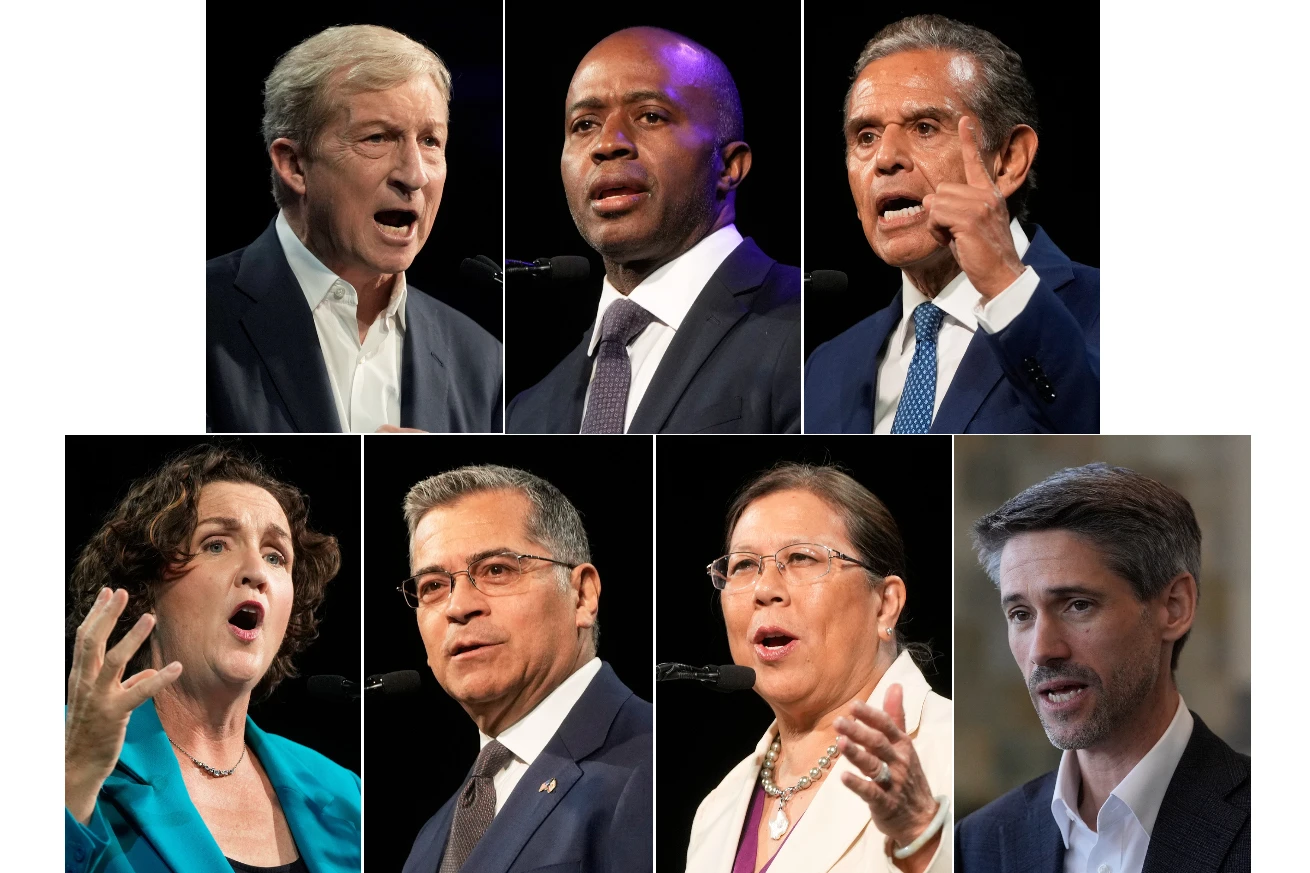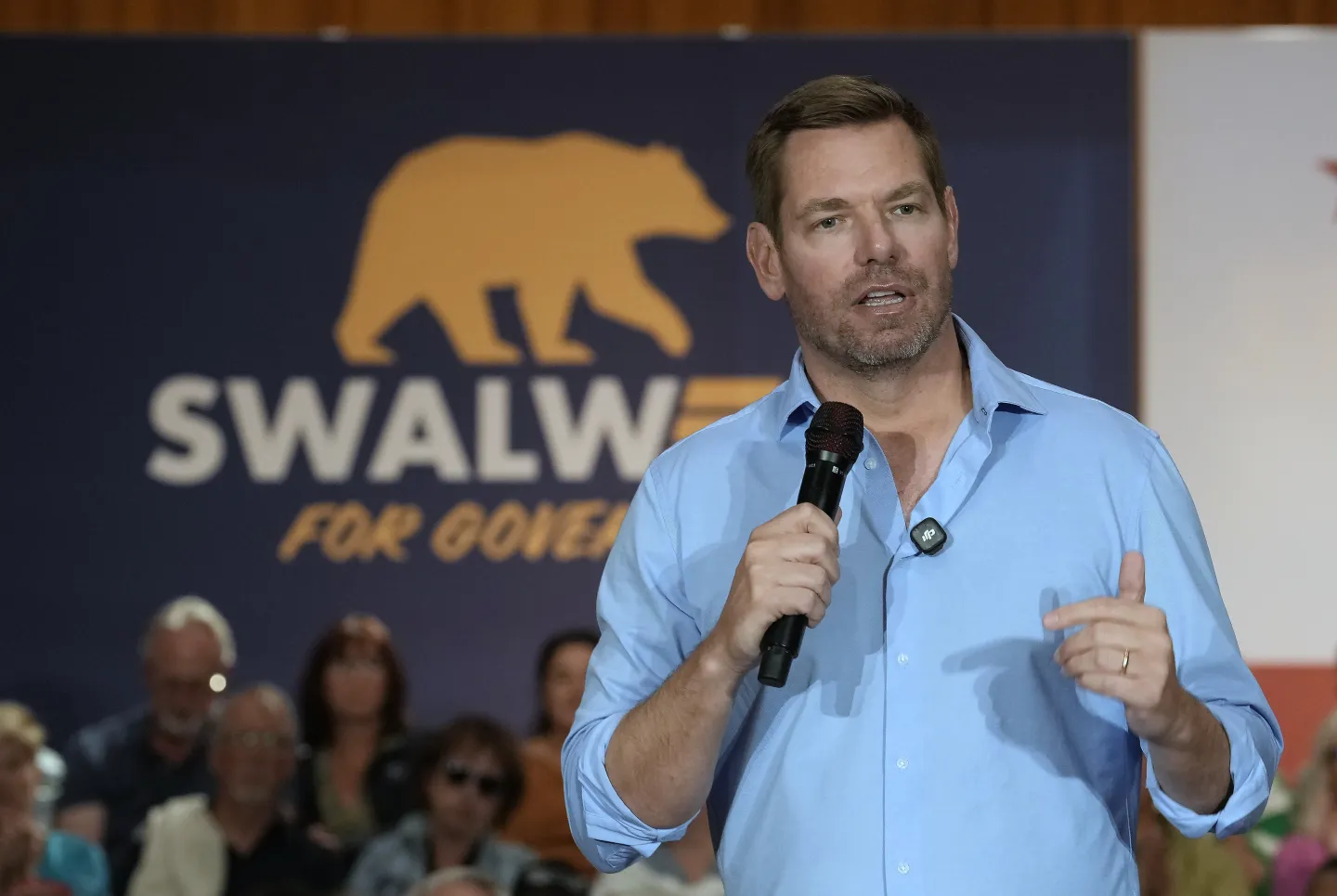
LOS ANGELES (AP) — A proposed billionaires’ tax in California has ignited a political uproar in Silicon Valley, with tech titans threatening to leave the state while Democratic Gov. Gavin Newsom maneuvers to defeat a levy that he fears will lead to an exodus of wealth.
California, home to a significant number of the world's richest individuals, stands to gain financial support for its health services if a proposal to impose a one-time 5% tax on the assets of billionaires is passed. The tax, targeting personal assets like stocks and properties, seeks to mitigate funding cuts that lower-income individuals have faced due to federal decisions made under the previous administration.
This plan has initiated a complex web of reactions, from intense opposition among the wealthy tech community to robust support from progressive circles within the Democratic Party. Prominent figures, including billionaire Peter Thiel, are pouring millions into funding campaigns against the tax, highlighting the deep ideological rift it creates.
In light of recent economic pressures, the tax proposal has emerged as a contentious topic ahead of midterm elections, showcasing the contrasting viewpoints within both major political parties on taxation and wealth distribution.
As the measure faces hurdles to qualify for the ballot, concerns persist about its potential impact on California's economy. Analysts warn that a departure of billionaires could significantly diminish state revenues. This paradox presents a formidable challenge for Newsom, who must navigate the treacherous waters of wealth redistribution while maintaining economic stability.
Supporters of the tax assert it addresses the widening economic divide, while detractors insist it could destabilize an already fragile economic landscape, further complicating discussions about the future of governance and fiscal policy in California.