The US House of Representatives recently approved the Safeguard American Voter Eligibility, or SAVE America Act, which stipulates that voters must provide proof of citizenship, such as a valid passport or birth certificate, when registering to vote. This legislation has ignited a heated debate as midterm elections loom.
Critics, including Democrats, assert that the act could disenfranchise notable groups of eligible voters, particularly those who may not have matching identification due to name changes, such as married individuals. Conversely, Republicans argue that this legislation is essential to combat voter fraud.
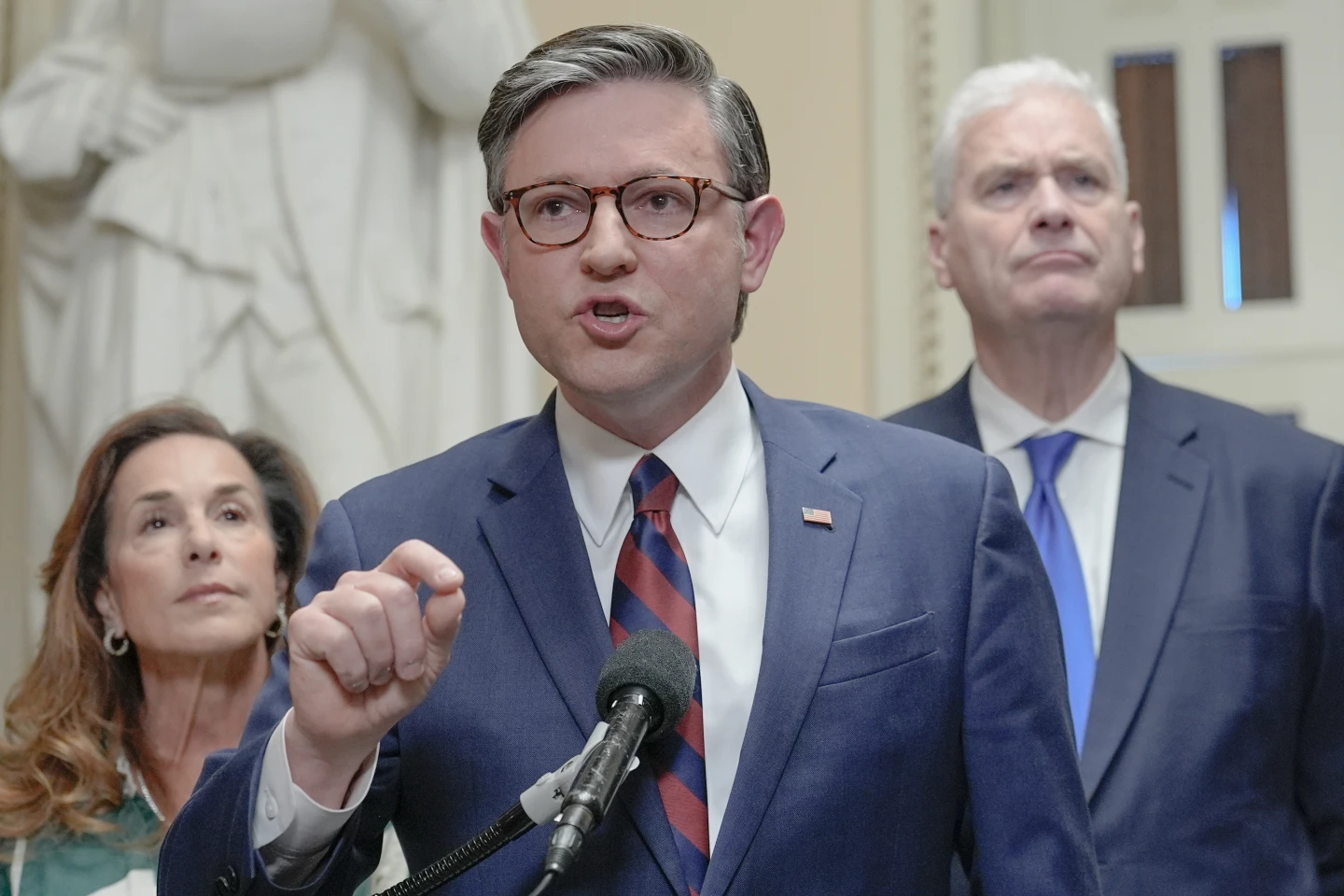
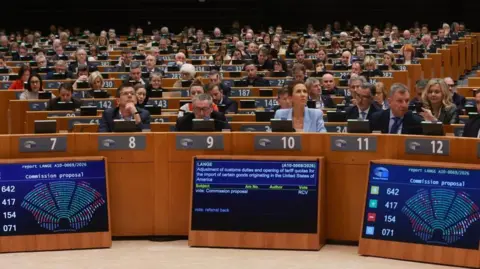
As the bill moves to the Senate, its supporters face an uphill battle; it only narrowly passed the House with a vote of 218 to 213, and Senate Majority Leader John Thune acknowledges that it does not yet have the required votes to advance. There is pressure within some factions to alter Senate filibuster rules to lower the vote threshold, but many express skepticism about this approach.
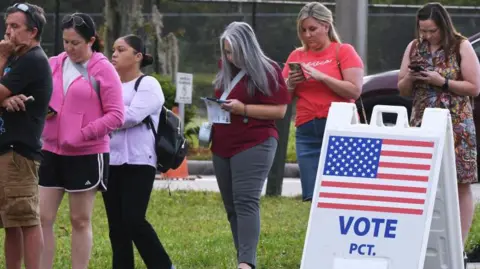
Furthermore, the SAVE act requires voters to present a valid photo identification before casting a ballot. While some states have already adopted photo ID laws, the federal government does not currently mandate proof of citizenship for voting.
Statistics reveal that approximately 21 million Americans may lack adequate proof of citizenship, with the Brennan Center for Justice stating that 2.6 million citizens do not possess any government-issued photo ID. A poll by the Pew Research Center found widespread public support for requiring government-issued identification, yet it raises concerns about accessibility for certain demographics.
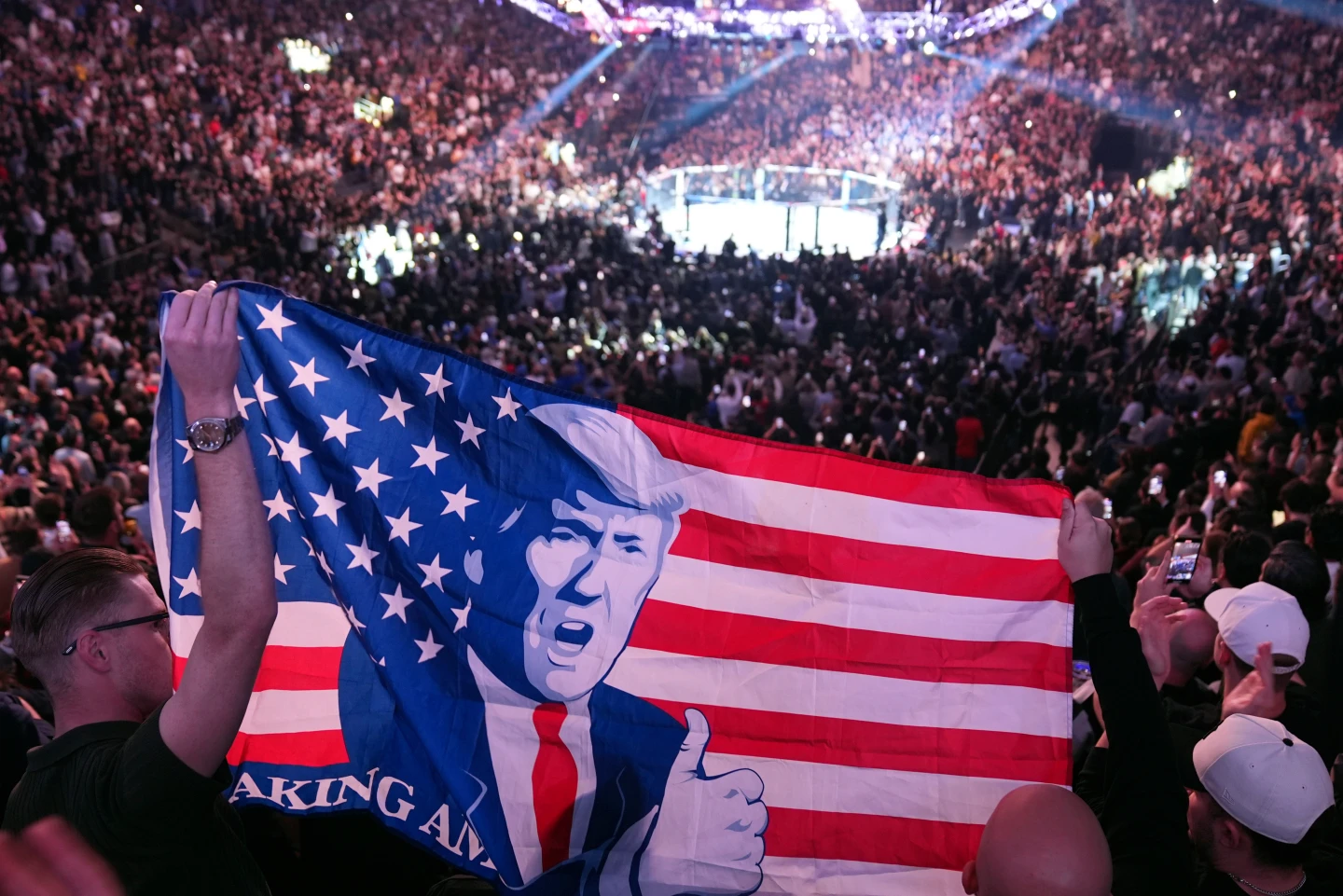
Former President Donald Trump has actively championed the SAVE act. He claims it is a crucial measure to secure the integrity of elections, asserting that only American citizens should influence election outcomes. However, these assertions of widespread electoral fraud lack substantiation according to investigations.
As discussions surrounding the legislation unfold, the implications for voter access and electoral integrity become more contentious. While Republican legislators some argue for stricter laws on voting procedures, those against the act continue to highlight the dangers of disenfranchisement in a critical democratic process.