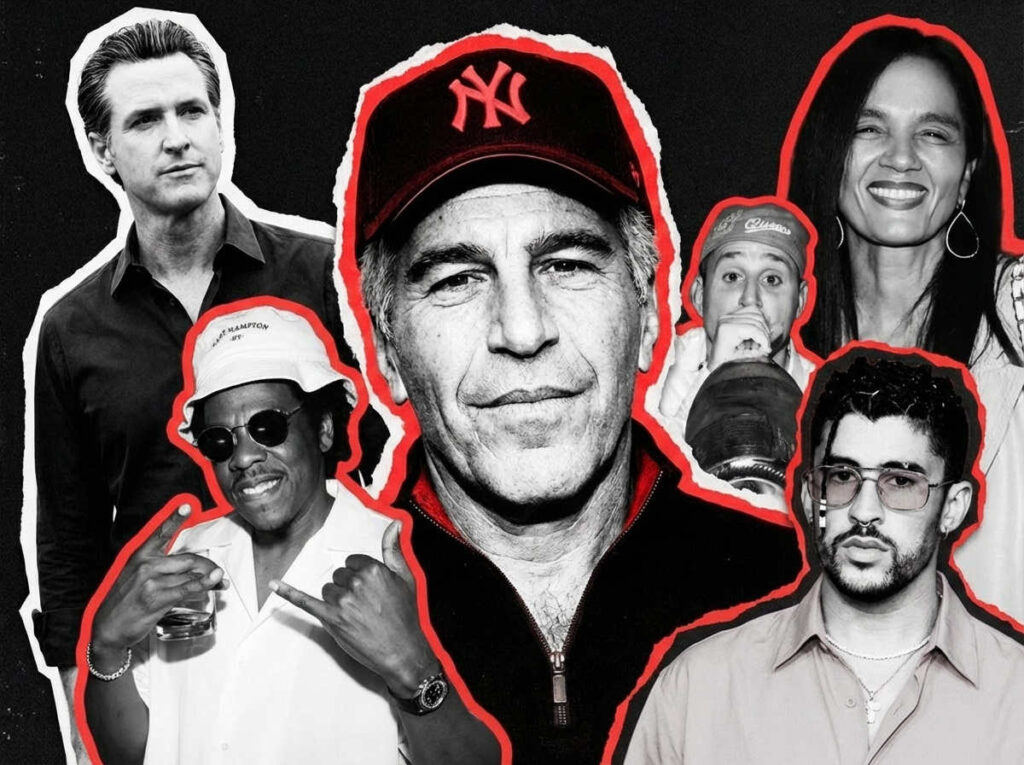
As the New England Patriots and Seattle Seahawks prepare for Super Bowl LX at Levi’s Stadium, the event is entangled in a web of controversy surrounding influential figures like Jay-Z and recently revealed allegations from the Jeffrey Epstein investigation. This year, the attention is diverted from typical game-day debates to deeper narratives involving billionaires, politicians, and hip-hop moguls mixing in ways that raise eyebrows.
The Files That Won't Go Away
The Department of Justice recently released a massive cache of documents from the Epstein investigation, revealing names that echo through the halls of power, including Shawn Corey Carter, more widely known as Jay-Z. Alarming details in an FBI report allege that a victim was drugged and found in the presence of both Jay-Z and Harvey Weinstein.
This is not Jay-Z's first brush with such serious allegations. He has previously faced accusations related to sexual misconduct that have added complications to his public persona, including an ongoing civil lawsuit filed by a Jane Doe.
The Man Behind the Curtain
Since 2019, Jay-Z’s Roc Nation has been pivotal in selecting performers for the Super Bowl halftime show, a role described by NFL Commissioner Roger Goodell as unchallenged. This year’s decision to feature Bad Bunny has prompted controversy, particularly regarding the intersection of art and politics. Bad Bunny's prior criticisms of ICE reflect a broader political agenda that ignites debates about representation and influence on national stages.
Saturday Night in San Francisco: The Party That Tells the Story
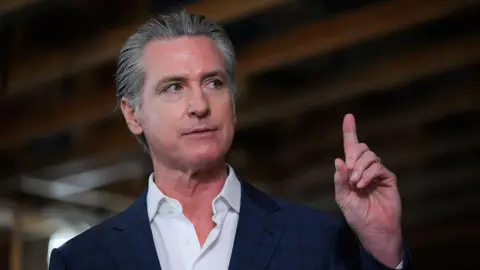
At Michael Rubin’s annual Fanatics Super Bowl Party, a collection of high-profile personalities gathered, including Jay-Z, who mingled with Governor Gavin Newsom. Rubin has become a central figure in merging sports and entertainment, raising questions about the implications of such gatherings and their influence on political discourse.
The Uncomfortable Questions
The implications of Jay-Z's control over who performs at such a widely viewed event raise significant questions about the blending of entertainment and political agendas. With allegations still swirling, the crossroads of celebrity, influence, and governance become increasingly murky, underscoring societal risks involved in the off-field dramas unfolding during the Super Bowl.
As we engage in the spectacle tonight, the questions surrounding these narratives remain—long after the final whistle is blown.