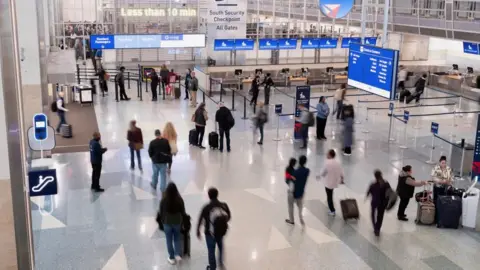
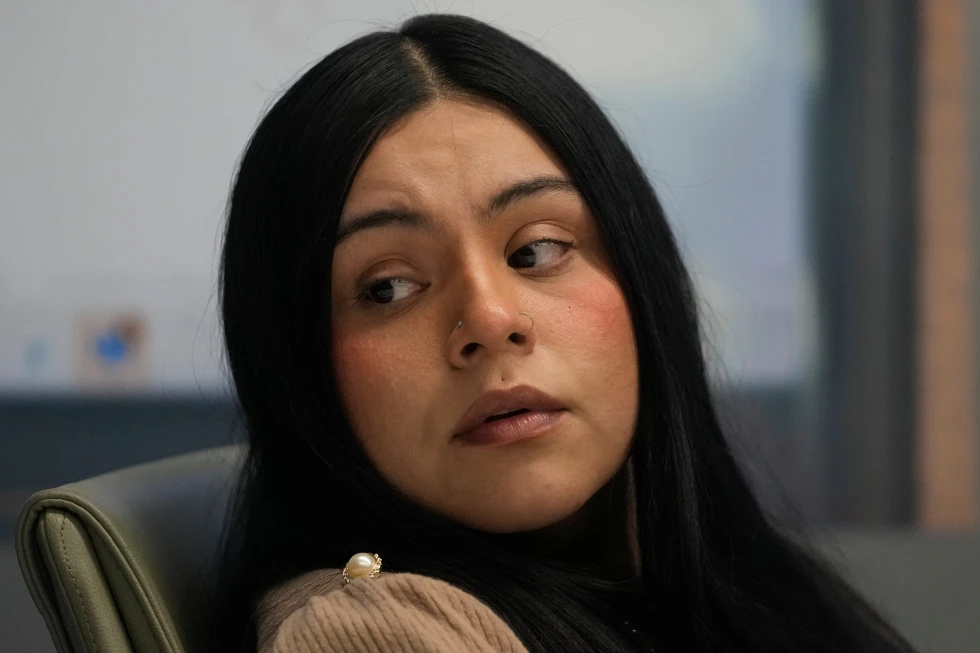
BOSTON (AP) — A federal judge has been asked to require the Trump administration to devise a plan to return Lucia Lopez Belloza, a Babson College student who was mistakenly deported to Honduras just prior to Thanksgiving. Belloza, a 19-year-old freshman, was detained at Boston's airport on November 20, on her way to surprise her family in Texas for the holiday. Two days later, she was flown to Honduras, despite having secured an emergency court order to stay in the U.S. for at least 72 hours.
Her lawyer, Todd Pomerleau, has submitted a request for the judge to require the government to establish a plan within 14 days to facilitate her return. Pomerleau emphasized that the petition aims for a transparent process rather than micromanaging foreign affairs. He argued that Belloza's government should accurately pursue steps to identify means of returning her to the United States.
The defense suggests various avenues, including either the restoration of her previous immigration status for appropriate proceedings or potential consideration for a T visa due to allegations of human trafficking. Pomerleau did note that obtaining a student visa would typically necessitate consular processing, complicated by Belloza’s existing removal order.
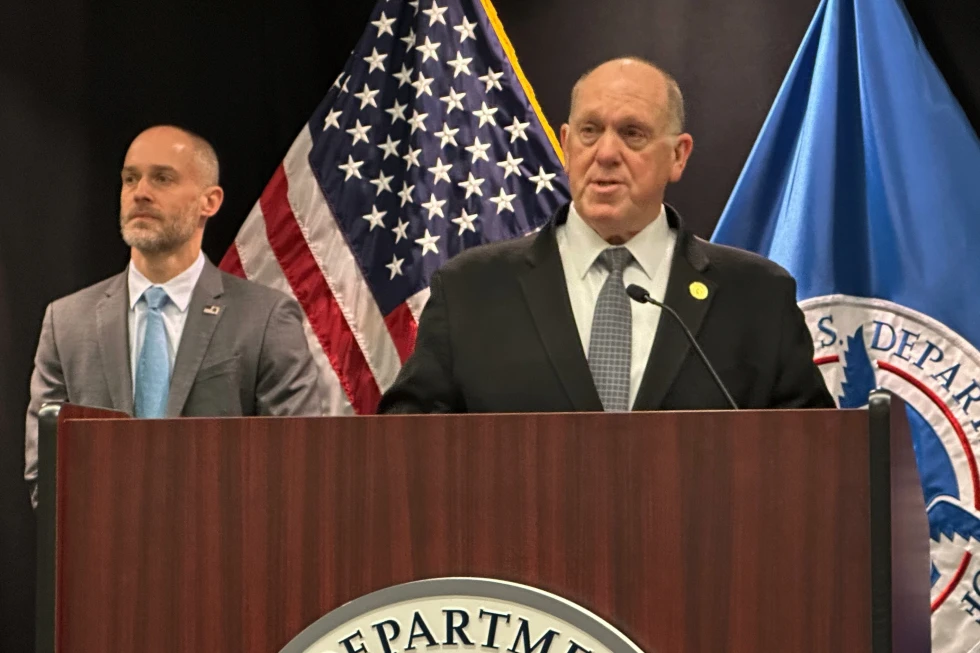
The Department of Homeland Security has yet to comment publicly. Currently, Belloza is residing with her grandparents and studying remotely. This case is one of several instances of deportations occurring against the backdrop of judicial orders; previous cases include Kilmar Abrego Garcia and O.C.G., both of whom were returned to the U.S. following judicial findings of due process violations.
In a federal court hearing, government representatives contended that the court lacked jurisdiction because the petition was filed after Belloza had already been en route out of the country. They acknowledged, however, that there had been an error regarding the violation of the order.
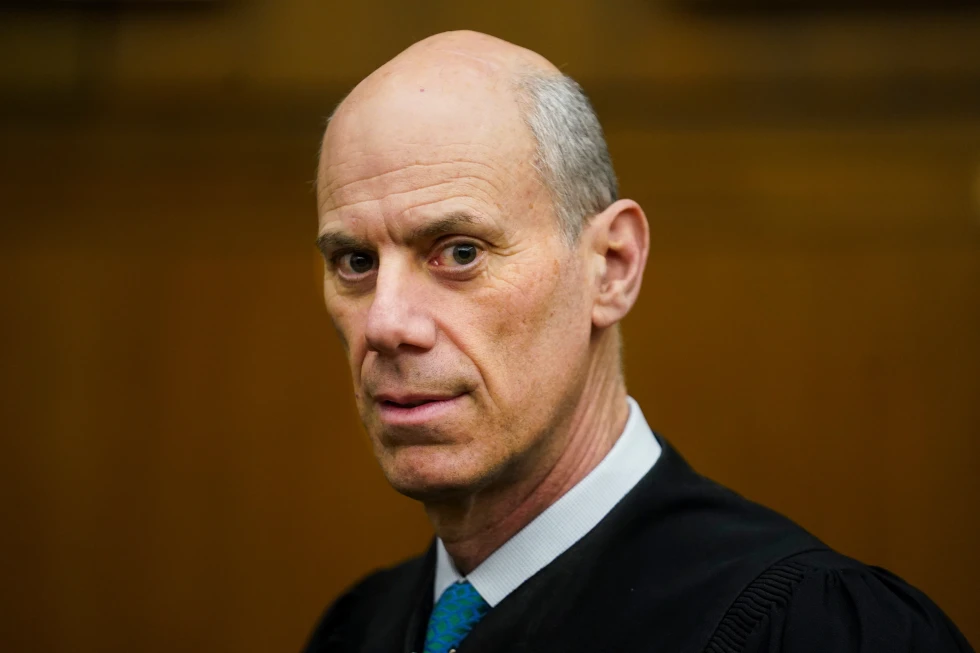
Judge Richard Stearns expressed regret over the incident, labeling it a “tragic” error within bureaucratic processes. He noted the complexities of jurisdiction and the potential lack of intent behind the government's actions, yet the implications on due process remain critical for Lopez Belloza.
Her lawyer, Todd Pomerleau, has submitted a request for the judge to require the government to establish a plan within 14 days to facilitate her return. Pomerleau emphasized that the petition aims for a transparent process rather than micromanaging foreign affairs. He argued that Belloza's government should accurately pursue steps to identify means of returning her to the United States.
The defense suggests various avenues, including either the restoration of her previous immigration status for appropriate proceedings or potential consideration for a T visa due to allegations of human trafficking. Pomerleau did note that obtaining a student visa would typically necessitate consular processing, complicated by Belloza’s existing removal order.
The Department of Homeland Security has yet to comment publicly. Currently, Belloza is residing with her grandparents and studying remotely. This case is one of several instances of deportations occurring against the backdrop of judicial orders; previous cases include Kilmar Abrego Garcia and O.C.G., both of whom were returned to the U.S. following judicial findings of due process violations.
In a federal court hearing, government representatives contended that the court lacked jurisdiction because the petition was filed after Belloza had already been en route out of the country. They acknowledged, however, that there had been an error regarding the violation of the order.
Judge Richard Stearns expressed regret over the incident, labeling it a “tragic” error within bureaucratic processes. He noted the complexities of jurisdiction and the potential lack of intent behind the government's actions, yet the implications on due process remain critical for Lopez Belloza.