China's economy grew faster than expected in the first three months of the year, even as countries around the world feel the impact of the US-Israel war with Iran.
Gross domestic product (GDP) rose by 5% in the period, compared to a year earlier, according to official data. Economists had expected the figure to come in at around 4.8%.
This growth occurred despite the conflict in the Middle East, which started on February 28, severely disrupting global energy supplies, with Asian countries hit particularly hard.
This marks the first release of official GDP figures since Beijing cut its annual economic growth target last month to a range of 4.5%-5%, its lowest expansion goal since 1991.
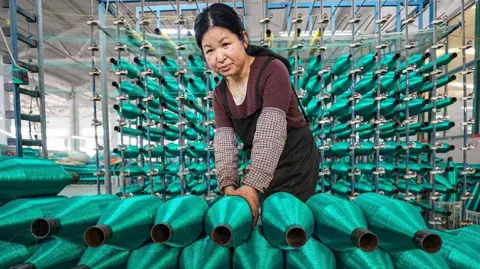
The rebound from a weaker expansion of 4.5% in the previous quarter was driven by manufacturing, while the world's second-largest economy continues to be weighed down by falling property investment.
Exports, particularly of cars and other goods, were described as a major bright spot in the data, said Kyle Chan, an analyst from the Brookings Institution. However, Chan noted that the full effects of the Iran war are yet to be seen, hinting that next quarter's GDP figure may be weaker due to trade disruptions caused by the conflict.
In the context of China's latest GDP target and economic objectives, announced in March under its latest Five Year Plan, Beijing has pledged to invest heavily in innovation, high-tech industries, and boosting domestic spending.
The ruling Communist Party is attempting to reshape the economy, which is struggling with several issues such as weak consumption, a shrinking population, and a prolonged property crisis.
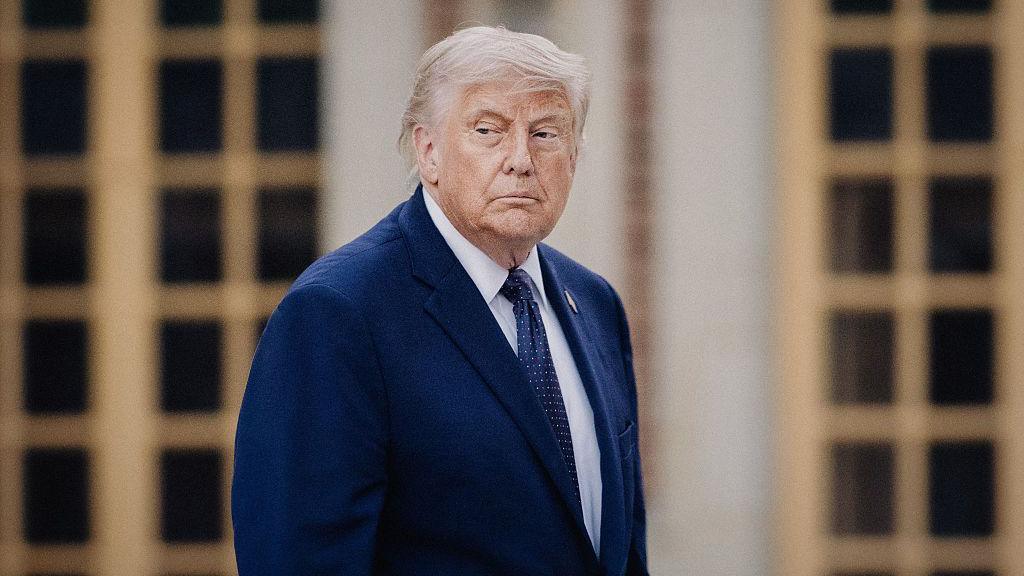
Moreover, China faces an energy crunch driven by the Iran war and ongoing global trade tensions, including tariffs from the US. Currently, China is subject to a 10% US tariff on most goods. Talks between US President Donald Trump and Chinese President Xi Jinping are expected to occur in May.
Recent data also indicated that China's exports slowed sharply to 2.5% growth in March, marking a six-month low, as the conflict raised inflation and curtailed consumer spending. Imports surged by nearly 28%, driven by increasing costs linked to the Iran war, which has raised crude oil prices significantly.
This could translate to further pressure on China’s economic stability as the war potentially discourages consumer spending globally, affecting demand for Chinese goods.